cast iron plant care guide
We grow cast iron plants in our Brooklyn home — care, cat and dog toxicity, temperature tolerance, and why this plant survives where others fail.

We are an AD-FREE, community driven site. When you purchase through links, we may earn a commission, which helps sustain our blog!
Cast Iron Plant care guide
Care at a glance
How to care for Cast Iron Plant
The cast iron plant has upright, lance-shaped dark green leaves and grows slowly in clumps, thriving even in low light and neglect.
- Watering: Let the top half of the soil dry before watering; avoid soggy conditions to prevent root rot.
- Light and temperature: Tolerates low to medium light; prefers 60–75°F and dislikes direct sun.
- Toxicity: Non-toxic to pets and humans; safe around cats and dogs (ASPCA).
- Soil and fertilizer: Use loose, well-draining, peat-free soil with coco coir and bark; feed monthly in spring and summer.
- One common issue: Leaf browning usually results from overwatering or harsh sun—adjust light and watering schedule.
- Propagation method: Divide rhizomes with at least 2–3 leaves and repot in fresh soil.
Our favorite soil and fertilizer for Cast iron plant

2. Care mistakes we have learnt to avoid with Cast iron plant
- Watering on a schedule, not by soil feel: Cast iron plants hold moisture longer than most people expect, especially in heavier mixes. Wet soil lingers around their slow-growing roots and invites rot. We only water when the top 2–3 inches feel dry and the pot feels noticeably lighter.
- Putting it in “low light” that’s actually darkness: Everyone says cast iron plants survive low light, so people tuck them into corners with no window access. The leaves slowly lose color and crisp at the edges because this plant still needs at least some ambient brightness to photosynthesize. We keep ours within 4–6 feet of a north or east window so it stays sturdy without bleaching.
- Repotting too often because growth seems slow: This plant hates root disturbance, and fresh soil every year only stalls what little new growth it manages. Larger pots also stay wet too long for its rhizomes. We repot only every 3–4 years in the tightest pot it can comfortably sit in, using a firm, slightly chunky mix so water doesn’t pool around the roots.
3. A real issue we have had with Cast iron plant in our home
We didn’t expect our cast iron plant to get mysterious yellow leaves right at the base. What surprised us was how healthy the soil looked, so we kept assuming it needed more water. The real cause turned out to be stale moisture trapped deep in the pot because this plant barely drinks in our low-light hallway. Shifting it just a bit closer to our east window and letting the soil dry almost completely between waterings stopped the yellowing within a month.
lineage and Symbolism

The Cast Iron Plant (Aspidistra elatior), a member of the Asparagaceae family, hails from the shaded understories of Japan and Taiwan! It’s best known for its tough, upright dark green large leaves that shoot up directly from underground rhizomes, giving it a fountain-like shape. It rarely flowers indoors, but the plant can occasionally surprise you with small, star-shaped purple blooms close to the soil line (or so we have heard! and looking to see it in person one day :))
We love it in our Brooklyn community home because it tolerates almost anything — dry air, dim corners, and even missed waterings. Indoors, it usually grows to around 2 feet tall and wide, making it a compact but lush statement piece. Its tolerance for low light and irregular care makes it a favorite in rooms that other houseplants would struggle in.
Cast Iron Plants symbolize resilience and longevity. They’re a match for Capricorns — practical, disciplined, and enduring, just like this plant.
Read also: 5 fast growing low light indoor trees and 5 pet safe low light indoor trees


$78
“The Cast Iron Plant is perfect for anyone who wants a hardy, low-maintenance plant. Mine arrived in perfect condition and looks great” – thesill.com customer
What we wish we knew before buying
Its “easy” reputation hides how painfully slow it really is: We assumed it would reward good care with steady leaves, but months often pass without a single sign of movement. That silence makes beginners think they’re doing something wrong, when the plant is simply built for glacial growth. We wish someone had said, “If you need quick wins, pick a pothos. If you want a plant that quietly holds space for years, this one’s worth it.”
Cast Iron plant care infographic
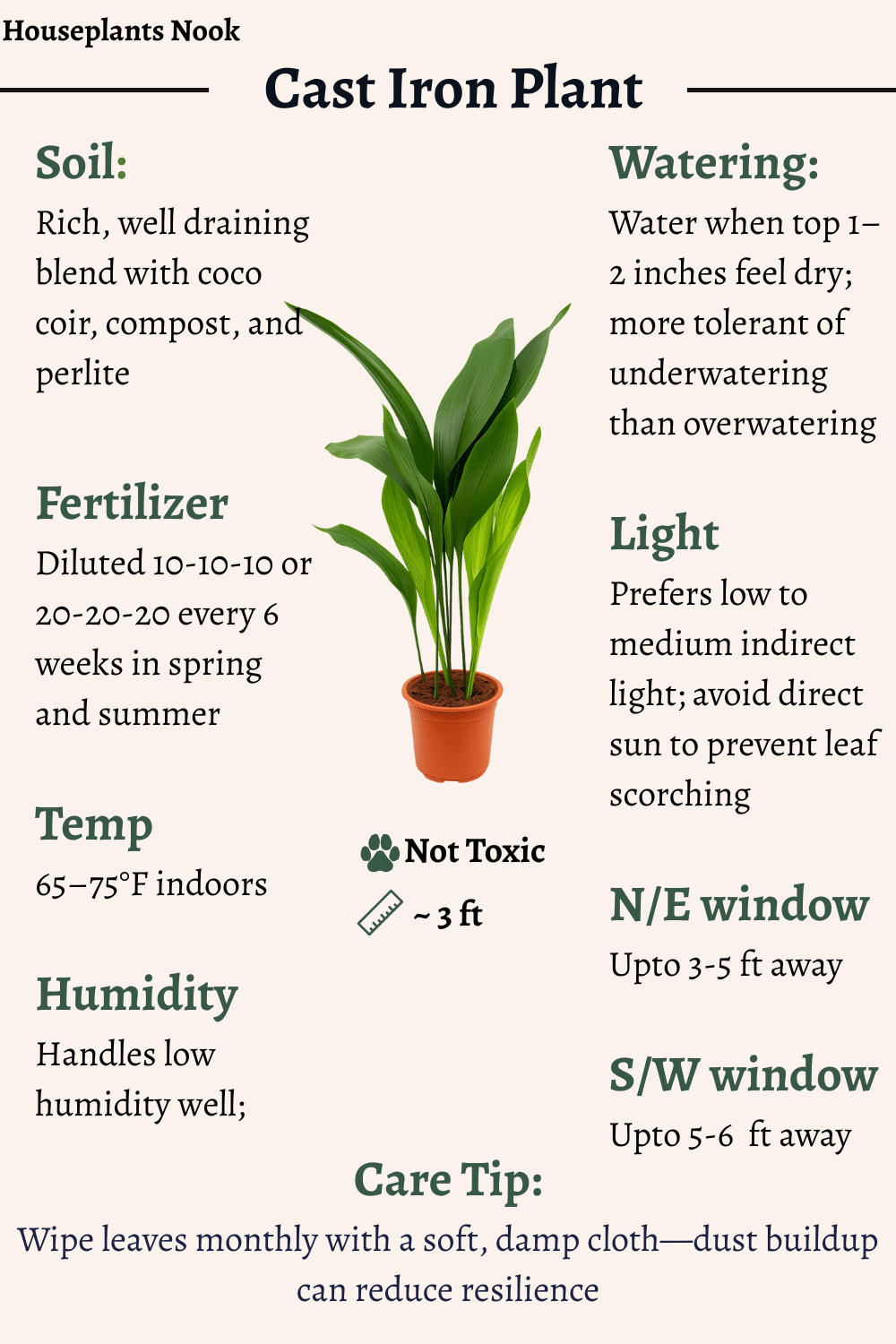
📋 Use this infographic on your site — copy the code below:
Plant that pairs well with similar care needs

Light and placement

What is the light requirement for Cast Iron Plant?
Cast Iron Plant grows best in low to medium indirect light. It can handle deeper shade than most houseplants and still push out healthy new leaves. It won’t tolerate harsh, direct rays from south or west-facing windows — those can scorch or fade the leaves quickly. North or east-facing windows are perfect, or spots a few feet back from brighter exposures.
How to know if Cast Iron Plant is not getting right amount of light?
If your Cast Iron Plant’s leaves become pale, leggy, or slow to unfurl, it might need a bit more light. A sudden drop in leaf count or yellowing tips can also signal light issues. But don’t overcompensate by moving it into harsh light — try a gentle brightness upgrade — like placing it closer to a filtered window. Or a north facing one.
Where to place Cast Iron Plant and where to avoid?
Place your Cast Iron Plant in low to medium light spots, like hallways, bedrooms, or offices with filtered light. It even does fine in windowless rooms with fluorescent lights. Avoid placing it right next to radiators, heat vents, or in direct sun, which can bleach the leaves. In our home, we’ve tucked one near our entryway and another in a dim corner of our stairwell, and both are thriving.
How cast iron plant behaves through the seasons?
Spring: Growth wakes up slowly, usually just one or two new leaves. We water a bit more often because the soil finally dries out faster. We nudge it a foot closer to our east window for brighter light. Occasional tip-browning happens from dry radiator air fading out, so we trim lightly and ignore the rest.
Summer: This is its steadiest season, with the strongest chance of new leaves. We keep watering moderate and add a light, balanced fertilizer once a month. Direct sun through our south windows is too harsh, so we keep it several feet back. Heat can trap moisture in deeper soil layers, so root rot becomes a small risk we monitor.
Fall: Growth slows to a crawl again, and the plant shifts into a more conservative mode. We start spacing out watering because cool nights in Brooklyn keep the soil moist longer. Light levels drop, so we sometimes move it from a hallway to a window-adjacent spot. Old leaves may yellow—not a crisis, just the plant rebalancing.
Winter: Growth nearly stops, and this plant becomes extremely sensitive to overwatering. We water lightly and rarely, sometimes every 4–5 weeks. Low sun through our east window is enough, so we don’t chase brightness. The only winter issue we see is a random yellow leaf from cold drafts, which we fix by sliding it a few inches farther from the window.
Soil
What soil composition to use for Cast Iron Plant?

Use a loose, well-draining mix with excellent aeration. We’ve found success with a blend of:
- 2 parts coconut coir
- 1 part perlite
- 1 part compost or worm castings
Avoid peat and heavy garden soils — they retain too much moisture and increase root rot risk.
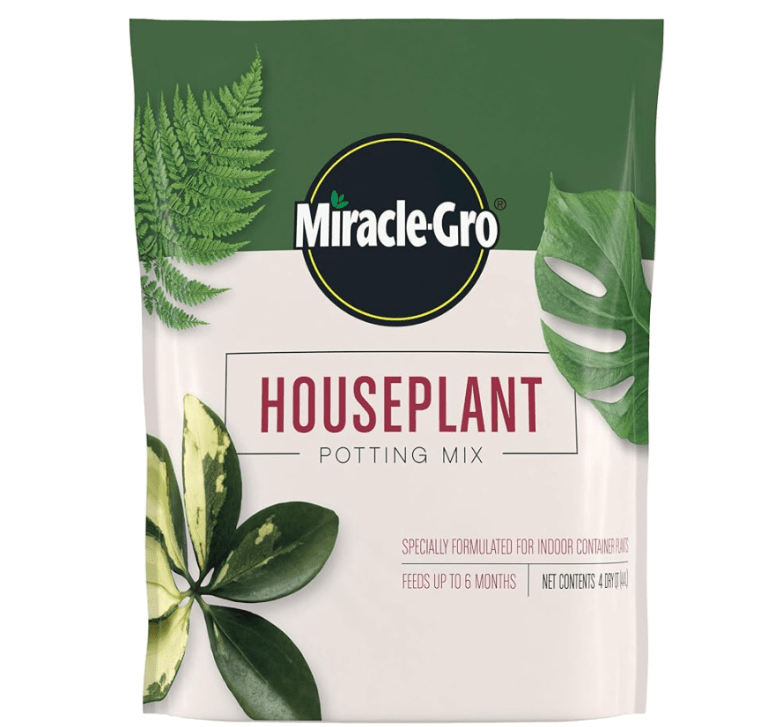
Best soil to use for Cast Iron Plant?
Temperature and Humidity
What is the best temperature condition for Cast Iron Plant?
The ideal indoor temperature range is 60–75°F (16–24°C). This plant is surprisingly tolerant of cooler spots, down to 50°F, making it great for older buildings or draftier rooms. Just avoid sudden temperature swings or prolonged exposure below 45°F.
What is the best humidity condition for Cast Iron Plant?
Cast Iron Plant is not picky about humidity and handles dry indoor air very well. Still, we keep it a few feet from radiators to avoid tip browning.In peak heating seasons it will still. appreciate the occasional misting or being grouped near other plants.


fertilizer
What is the best fertilizer composition to use for Cast Iron Plant?
Look for a balanced 10-10-10 liquid houseplant fertilizer or a gentle organic formula. We’ve used a diluted fish emulsion occasionally, and it works well for slow growers like this. Avoid nitrogen-heavy mixes — they’ll encourage floppy, fast growth that doesn’t suit this plant’s slow, steady nature.

How and when to fertilize Cast Iron Plant?
Fertilize once a month from spring through early fall. Use a half-strength solution of a balanced liquid fertilizer. Don’t fertilize in winter — the plant enters dormancy and won’t need extra nutrients.
Apply to moist soil, not dry. We always water the plant first, wait 10 minutes, and then fertilize to prevent root burn.
What are the signs Cast Iron Plant needs food?
If your Cast Iron Plant has unusually pale or yellowing leaves, or if it’s been over a year without new growth, it may be hungry. In our experience, plants that stop sending up new leaves even in spring are likely underfed — a single feeding often jumpstarts activity again.
Read also: Keeping low light trees healthy and how to water low light trees
Best fertilizer to use for Cast Iron Plant?
We’ve incorporated Plant Magic Organic Fertilizer into our Cast Iron care routine, and here’s what really stands out:
- We feed them once a month during spring and summer, always diluted. Within a week or two, the thick, arching leaves stood taller and regained their glossy, deep-green color.
- This plant is famously slow-growing, so a gentle formula is key. Plant Magic gives it enough nutrients to support new leaf growth without risking burn—our Aspidistra stays upright and healthy. Even after periods of dormancy.
Pots and planters
What are the best pots to use for Cast Iron Plant?
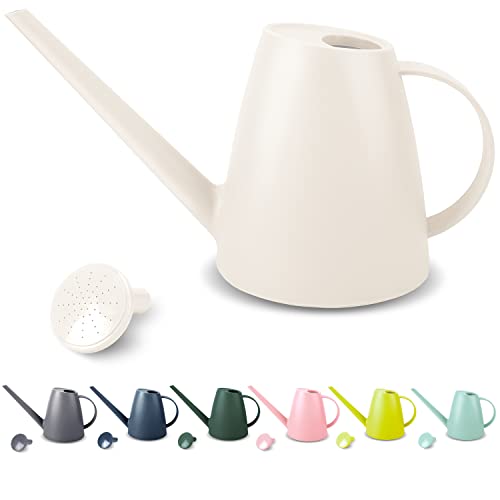
We recommend unglazed terracotta pots with drainage holes. These let excess moisture evaporate and help prevent soggy roots. Avoid deep or overly large pots — go just 1–2 inches wider than the root ball. In our home, smaller squat pots work better, keeping the plant upright and avoiding sprawl.


Watering
How often to water Cast Iron Plant and the best method?
Water when the top 2 inches of soil feel dry. This plant prefers slightly dry conditions, so err on the side of under-watering.
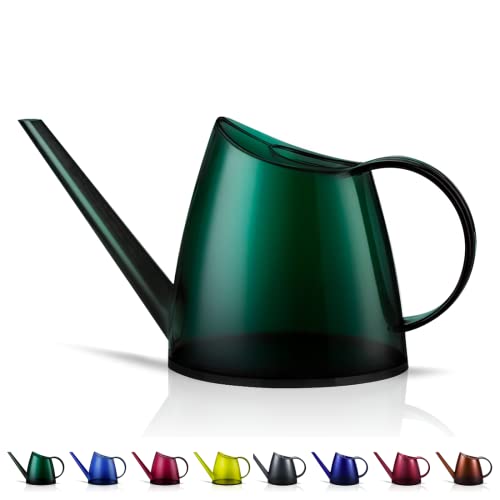
We check ours every two weeks and often wait longer in winter. Always use room-temperature water and pour slowly until it runs out the bottom. Let it fully drain — no sitting water.
what are the Signs of over or under watering Cast Iron Plant?
Yellowing leaves with mushy stems = too much water. Crispy brown edges and soil pulling away = too dry. Both can be reversed if caught early. We usually trim off affected leaves and adjust the watering schedule gradually rather than shocking the plant with a flood.
pruning
how to prune Cast Iron Plant?
We prune Cast Iron Plants mainly to remove old, yellowing leaves and encourage fresh upright growth.
- Best time: Late spring or early summer
- Cut leaves at the base, close to the soil
- Remove any spotted or torn leaves to keep the plant looking tidy
- Don’t cut healthy green leaves — they grow slowly, so each one counts
- Use clean, sharp shears
- Never remove more than 25% of the plant at once
Post-pruning care:
Place it in moderate light and skip fertilizer for two weeks. We water lightly and wipe the remaining leaves to let them breathe and photosynthesize freely.
propagating
How to propagate Cast Iron Plant
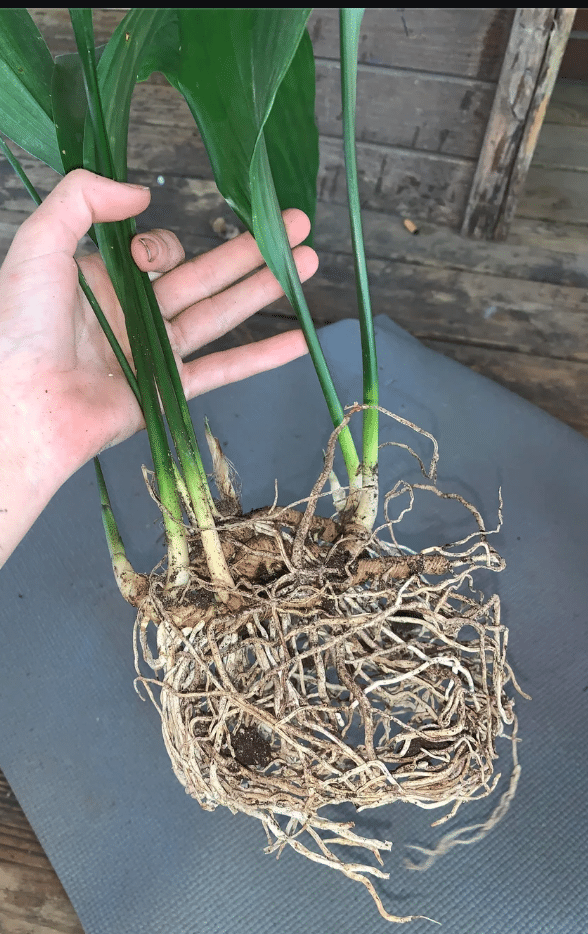
Division is the easiest way to propagate Cast Iron Plant.
- Do it in spring when repotting
- Gently lift the plant and separate clumps of 2–3 stems with roots
- Use a clean knife if needed to slice through tough rhizomes
- Pot each division into fresh, moist soil
- Keep in medium light and water sparingly until new growth appears
how to care after propagating Cast Iron Plant?
- Avoid direct sun and don’t fertilize for 4 weeks. We keep divisions on a warm shelf and mist the leaves lightly to reduce stress while they root.
Troubleshooting common issues
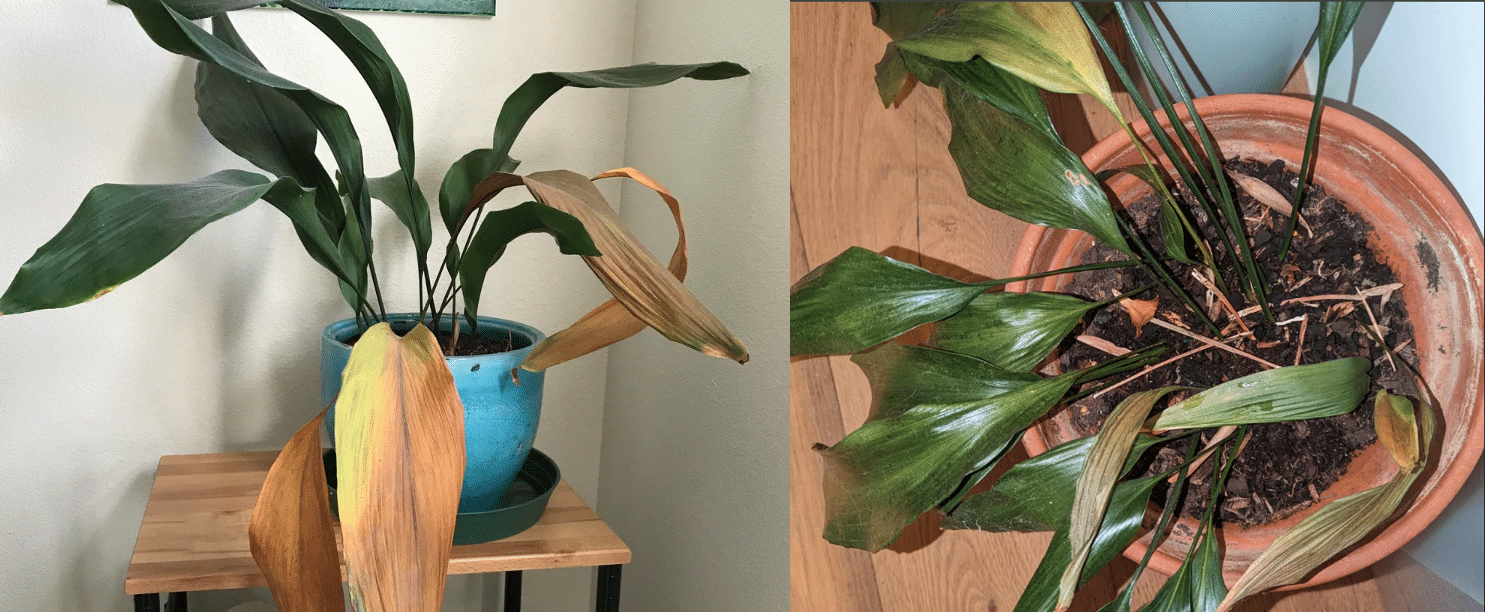
Why are the leaves of Cast Iron Plant turning yellow?
Too much water causes yellowing. Let soil dry more between waterings and ensure proper drainage.
Why are the tips of my cast iron plant turning brown?
Most likely fluoride or chlorine buildup from tap water — cast iron plants are sensitive to both and the tips are the first place it shows. Switch to filtered water or leave tap water to sit overnight before using it, and new browning should stop within a few weeks. If tips are browning on newer leaves too, inconsistent watering is the more likely cause — don’t let the soil dry out completely between waterings.
Can cast iron plant survive cold temperatures?
Yes — tolerating cold is one of the things cast iron plants genuinely excel at. They’re hardy down to around 28°F (-2°C) and can stay outdoors year-round in USDA zones 7 through 11. Potted plants are more vulnerable than in-ground ones since the roots have less insulation, so if yours is in a pot outdoors, move it somewhere sheltered if temperatures are forecast to stay below freezing for more than a night or two.
Why isn’t my Cast Iron Plant growing new leaves?
Low nutrients or low light can stunt growth. Move it to brighter indirect light and fertilize monthly in growing season.
Why do the leaves look droopy or floppy?
It’s either overwatered or pot-bound. Check for soggy soil or root crowding.
Why are there spots on the leaves?
Cold drafts or water sitting on leaves can cause spots. Move it away from vents and water at soil level.
Why is my Cast Iron Plant getting leggy?
Lack of light is usually to blame. Shift it closer to a window with indirect light.
Why is my Cast Iron Plant getting pale leaves?
This could be from over-fertilizing. Flush the soil and scale back feeding for a few months.
FAQ
What are the benefits of Cast Iron Plant?
It’s one of the most durable low-light indoor plants, highly tolerant of neglect, and safe for pets.
Is cast iron plant safe for dogs?
Yes — cast iron plants are non-toxic to dogs. A dog that chews the leaves may get mild stomach upset from ingesting plant material, but the plant contains nothing known to be harmful. It’s one of the few low-maintenance plants that’s safe for households with both cats and dogs.
How often should I repot my Cast Iron Plant?
Every 3–4 years, or when roots begin to push through the drainage holes.
Can Cast Iron Plant survive in a bathroom?
Yes, if it gets indirect light. Its tolerance for humidity makes it great for bathrooms.
Is cast iron plant toxic to cats?
No — cast iron plants are non-toxic to cats. The ASPCA lists Aspidistra elatior as safe, making it one of the few low-light plants that’s genuinely cat-safe. If your cat has chewed on one and you’re worried, you can call ASPCA Poison Control at 888-426-4435, but toxicity isn’t the concern here.
Can cast iron plant survive periods of low temperatures?
Yes — better than almost any other common houseplant. They’re cold-hardy down to 28°F (-2°C) and can overwinter outdoors in mild climates without protection. Brief cold snaps won’t cause damage; it’s sustained hard freezes with frost directly on the foliage that’s the risk.
Can it grow in windowless rooms?
With artificial light, yes. We’ve kept one in a bathroom with just LED lighting and it held up well.
What pests affect Cast Iron Plant?
Spider mites and scale occasionally. We wipe leaves regularly to prevent infestations.
What temperature can a cast iron plant tolerate?
Between 28°F (-2°C) and 85°F (29°C), with 60–75°F being their sweet spot. They handle cold better than most houseplants but don’t like sudden swings — keep them away from cold drafts in winter and hot dry air from heating vents.
How long do Cast Iron Plants live?
With care, they can last decades — even generations. It’s one of the longest-lived houseplants.
Can I place this plant on the floor?
Yes, just make sure it’s not in direct sunlight or sitting in cold drafts.
Why does my Cast Iron Plant grow so slowly?
That’s normal! It’s a slow grower. As long as the leaves look healthy, no need to worry.
Do they flower indoors?
Rarely. But small purple flowers can bloom at soil level, especially in mature plants.
Can I grow Cast Iron Plant outside?
Yes, in USDA zones 7–11. It thrives in shady garden spots with moist, well-draining soil.
Is it good for offices?
Absolutely. Its low light needs and hardy nature make it a perfect desk plant.
Personal Quotes & Tips from Houseplants Nook (and Beyond!)
- “Does your water have fluoride in it? Cast irons are very sensitive to fluoride, which can cause brown tips. Supposedly catching rain water to use for watering can help with this problem.” Source: Reddit
- “Looks like it was underwatered for some time. Make sure you soak all the soil and the pot has drainage holes at the bottom to get rid of the excess, a cup of water is definitely not enough for that pot. Proper drainage is important too, because waterlogged soil also causes yellowing and some browning of the leaves.” Source: Reddit
- “From my experience, they do not need fertilizer. In fact, many of the variegated forms will turn all green when given too much nitrogen. Grow these lean and you will be impressed by how capable they are as a hands-off landscape specimen.” Source: Brie Grows
- “Apparently, I’m the only person in the world who knows how to kill an iron plant, which is supposed to be one of the easiest carefree plants on the planet. Or at least, I seem well and able to make one extraordinarily unhappy. This is a plant that apparently likes low-light corners, thrives on neglect, yadda yadda. When I first got the plant, it was from my late grandmother, and it was enormous.” Source: Houzz
- “Overwatering caused a fungal infection. Either you’re watering too often or it’s not in chunky soil.” Source: Facebook