Areca Palm care guide
We grow Areca palms in our Brooklyn home — fertilizing, humidity, soil, and why this palm is one of the best natural humidifiers you can grow indoors.

We are an AD-FREE, community driven site. When you purchase through links, we may earn a commission, which helps sustain our blog!
Areca Palm care guide
Care at a glance
How to care for Areca Palm
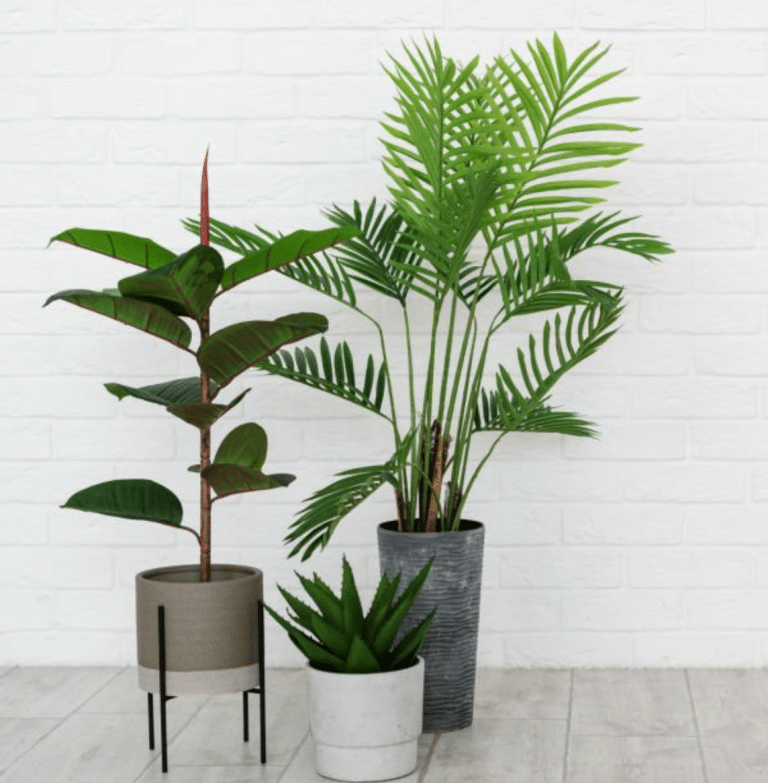
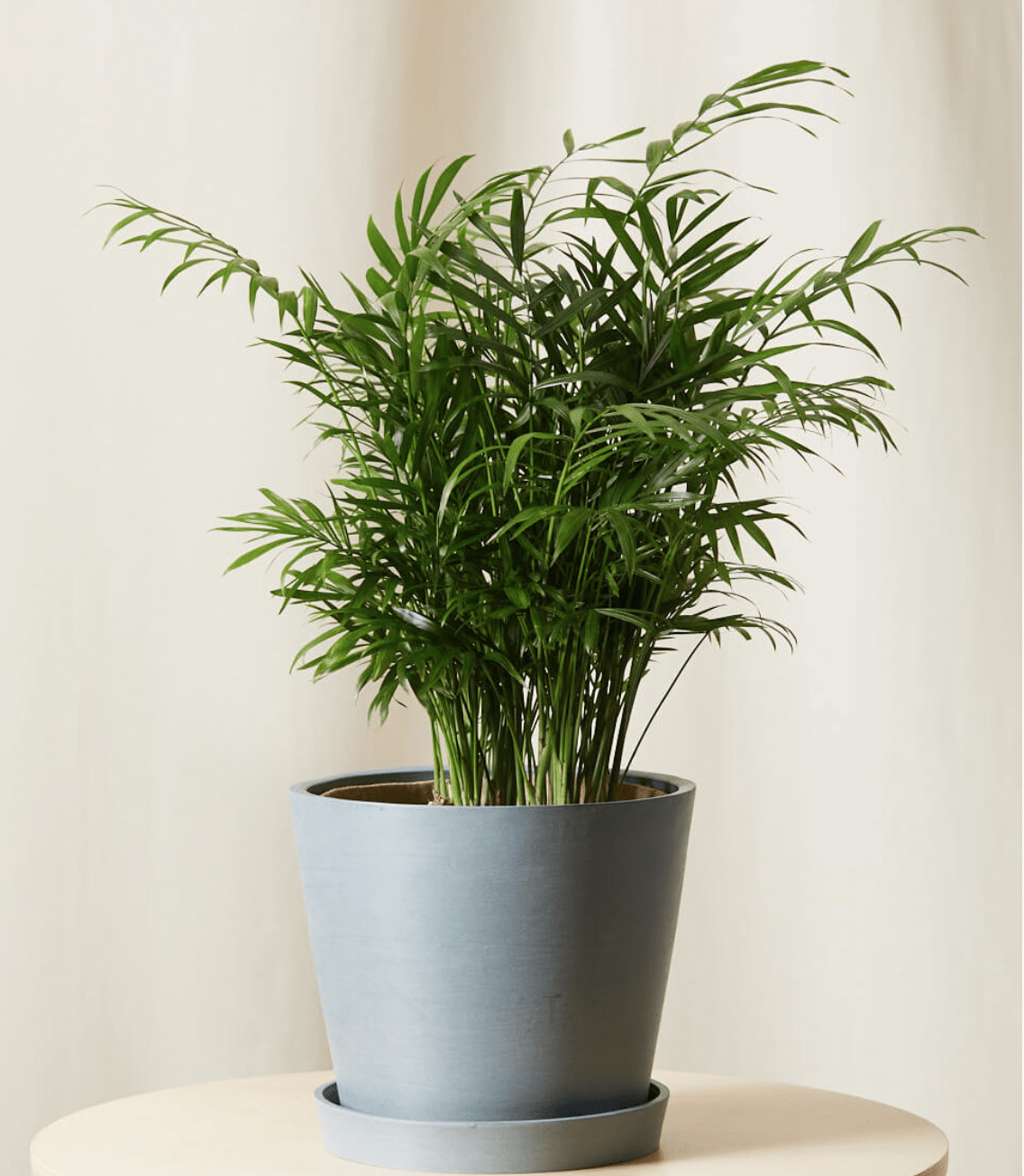
The areca palm forms a dense clump of arching, feathery fronds with narrow leaflets, bringing a soft, tropical feel to bright indoor spaces.
- Watering: Water when the top inch of soil is dry; keep soil evenly moist but not soggy.
- Light and temperature: Needs bright, indirect light; avoid direct sun; thrives in 65–80°F.
- Toxicity: Non-toxic to pets and humans; completely safe around cats and dogs (ASPCA).
- Soil and fertilizer: Use rich, well-draining, peat-free mix with compost and perlite; feed monthly in spring/summer.
- One common issue: Browning tips are caused by low humidity or salt buildup—mist regularly and flush soil monthly.
- Propagation method: Separate clumps with roots attached during repotting and replant immediately.
Our favorite soil and fertilizer for Areca palm
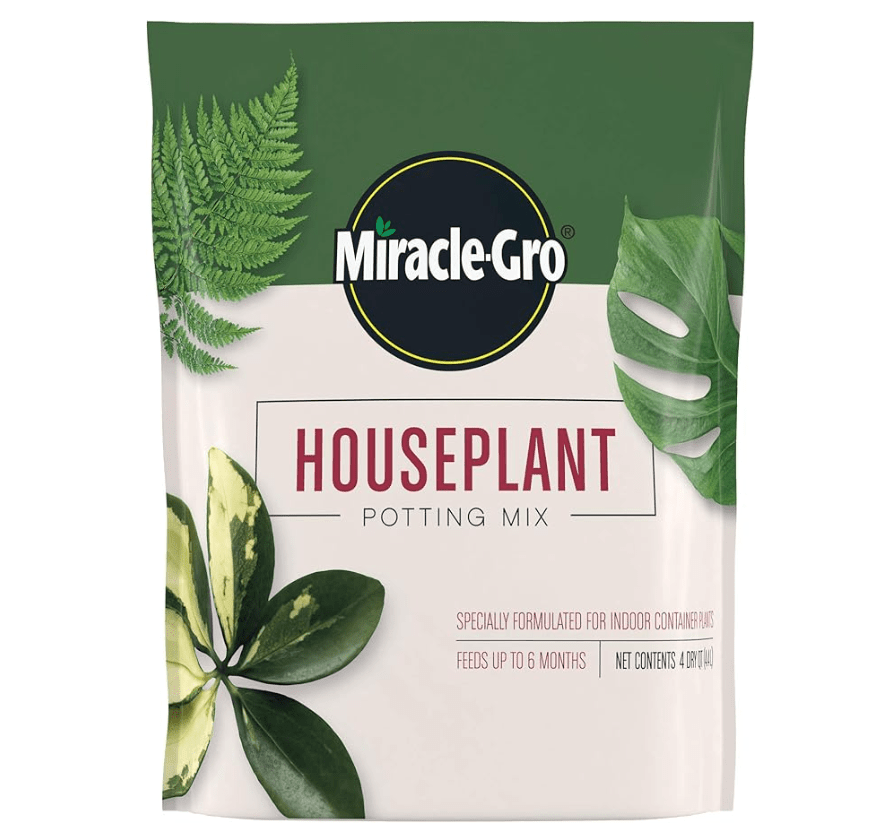

2. Care mistakes we have learnt to avoid with Areca palm plant
- Using a pot that’s too deep: Areca palms have shallow roots that rot quickly in tall pots where the bottom soil stays wet. We only use wide, shallow pots so moisture stays even.
- Letting winter drafts hit the fronds: Cold air from old Brooklyn windows browns the feathered leaves almost overnight. We move ours a few feet back every winter, even if it means reshuffling the room.
- Putting it in low light because it’s “a palm”: Our areca declined fast when we tried a dim corner, even though people say palms handle shade. We keep it near bright windows but shielded from harsh sun.
- Repotting too often: Fresh soil around fragile roots makes areca palms stall or drop fronds. We repot every 2–3 years and only go up one pot size so the plant stays stable.
3. A real issue we have had with Areca palm plant in our home
What surprised us was how quickly the lower fronds yellowed even though the soil felt dry on top. We eventually realized the inner soil mass was still wet because our apartment stays cooler near the floor in winter, slowing evaporation. Once we switched to a wider pot and watered less during cold months, the palm steadied and new fronds came in clean again.
5. Why are my areca palm leaves turning yellow?
Overwatering is the most likely cause — yellow fronds are the first sign the roots are sitting in too much moisture. Let the soil dry out slightly between waterings, check the pot is draining fully, and if the yellowing is widespread pull the plant out and inspect the roots for rot.
If watering seems fine, nutrient deficiency is the next thing to check — magnesium and potassium deficiency both show up as yellowing on older fronds first. A balanced palm fertilizer with added magnesium applied through the growing season usually reverses it within a few weeks.
5. Why are the tips of my areca palm turning brown?
Low humidity is the most common cause — areca palms are tropical and the dry air of most heated apartments stresses them fast, with leaf tips browning first. Aim for humidity above 50%, keep it away from heating vents, and run a humidifier nearby in winter. In our Brooklyn apartment brown tips on our areca are almost always a winter problem.
Fluoride sensitivity is the other frequent culprit — areca palms react to fluoride and chlorine in tap water and the tip burn looks almost identical to humidity stress. Switch to filtered water or leave tap water to sit overnight and new browning should stop within a few weeks. Existing brown tips won’t reverse but can be trimmed cleanly with sharp scissors at a slight angle.
Areca Palm plant care infographic

📋 Use this infographic on your site — copy the code below:
lineage and Symbolism

The Areca Palm (Dypsis lutescens), also known as Butterfly Palm, belongs to the Arecaceae family and hails from Madagascar’s humid forests. Indoors, it’s prized for its tall, graceful stems that erupt into soft, bamboo-like fronds that sway gently with the air. Talk about adding a tropical touch to any space!
In our Brooklyn community home, we’ve found it grows to about 6–7 feet tall indoors with the right care. It’s one of the few palms that looks lush without sharp or spiny fronds, making it a favorite near entryways and in bright corners. Just don’t tuck it in a dark spot — it’ll sulk real fast.
The Areca Palm represents peace, prosperity, and a calm atmosphere, often associated with Leo for its sunny, regal presence and love of warmth.
Read also: Parlor palm care guide.


$41
“Easy to care for and looks tropical and fantastic. It’s a great addition to my home office”
What we wish we knew before buying
It needs more space than it looks like.
We thought an areca palm would tuck neatly into a corner, but in our Brooklyn home it quickly filled the entire area with wide, sweeping fronds. Once it starts growing well, it needs real breathing room or the leaf tips bruise against walls and furniture. We learned to give it a wider footprint from day one, and it finally kept its fronds pristine.
Areca Palm plant care infographic
Plant that pairs well with similar care needs
Light placement and seasons
What is the light requirement forAreca Palm?
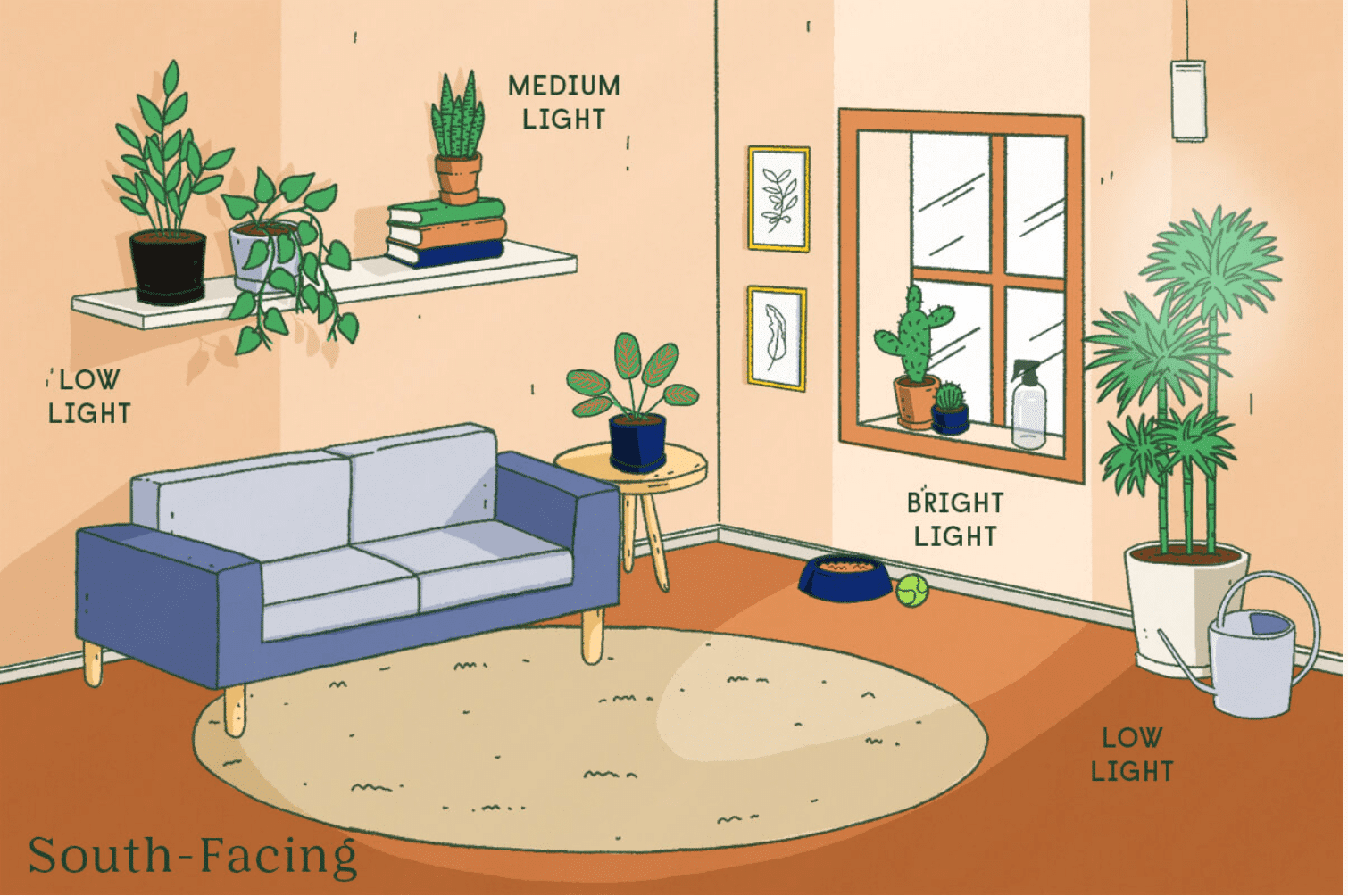
Areca Palms require bright, indirect light to thrive and maintain their feathered fronds. They do poorly in low light, showing signs of yellowing and legginess.
We keep ours a few feet from an east or south-facing window with a sheer curtain to filter harsh direct sun
How to know if Areca Palm is not getting right amount of light?
New leaves turning pale or yellowish and fronds stretching toward the light source are common. It may also start to drop older, lower fronds or appear leggy overall.
We noticed ours thinned out quickly when placed too far from the window — lesson learned
Where to place Areca Palm and where to avoid?
The best placement is a few feet away from a bright window with filtered sun. Avoid drafts or spots near AC vents or heaters.
We’ve had the most success placing it near a north-facing window supplemented with a grow light. In winter, move it closer to natural light sources.
How Areca palm plant behaves through the seasons?
Here’s what our areca palms actually do across the seasons in our Brooklyn home.
Spring:
Growth starts moving again, but not explosively. We water a bit more often as the soil dries faster and give light fertilizer every 4–6 weeks. We keep it a few feet from our east windows to prevent early-season leaf scorch. Spider mites try to return this time of year, so we mist-wipe fronds weekly.
Summer:
This is its fastest growth period, and fronds open quickly when the humidity rises. We shift it slightly farther from south-facing windows because harsh summer sun browns the tips fast. Watering becomes more frequent, but we still let the top layer dry before each soak. Heat waves make the plant droop, so we run a fan nearby to keep air moving.
Fall:
Growth slows noticeably, and the plant starts stretching toward whatever light it has. We reduce fertilizer entirely and space out waterings since the soil stays damp longer. If it sits too close to a drafty window, the fronds yellow at the base, so we usually pull it one to two feet back. Mealybugs show up on occasion during this transition, so we check the inner frond bases.
Winter:
Growth almost stops in our Brooklyn home, and the plant becomes sensitive to everything—drafts, overwatering, heater blast. We water lightly and infrequently, just enough to keep the root ball from drying out completely. We move it closer to a bright window but out of the path of radiator heat, which crisps tips within days. Brown tips are common now, so we maintain humidity with a tray instead of misting.
Soil
What soil mix to use for Areca Palm?

Areca Palms need light, airy, and fast-draining soil to avoid root rot. A good mix is:
- 2 parts coconut coir or composted bark
- 1 part perlite or pumice for drainage
- 1 part worm castings or compost for nutrition
Skip peat (we say this for every plant, btw. Its just not sustainable practice). It holds too much moisture and breaks down quickly. The goal is a soil that mimics its natural, loose rainforest floor.
Best soil to use for Areca Palm?
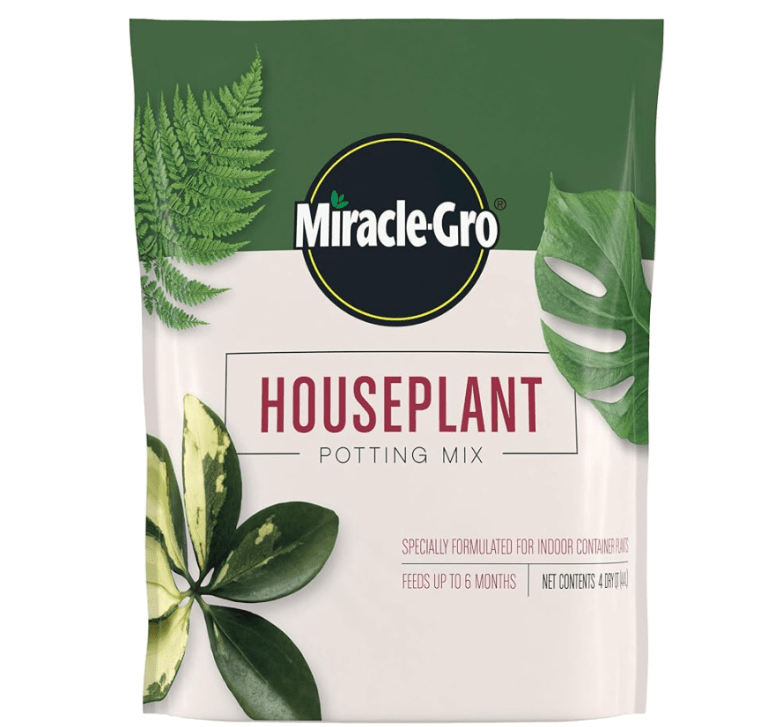
Here is our experience with Miracle‑Gro Indoor/Garden Potting Mix
Strong bounce-back after repotting: Right after switching soils, our palms perked up—the fronds became fuller and richer without wilting.
Perfect moisture balance: The coir-and-perlite mix holds just enough water for tropical plants but still drains well—especially since we add an extra handful of perlite to improve airflow.
Low-gnat and consistent feeding: The built-in slow-release nutrients support healthy growth for up to 6 months, and we haven’t had any pest issues—even in shady spots.
Temperature and Humidity
What is the best temperature condition for Areca Palm?
Areca Palms thrive at 65–80°F and should never be exposed to temperatures below 50°F. Cold drafts can quickly damage their delicate leaf tips.
We keep ours away from windowsills during winter — even a night of cold air made ours brown fast.
What is the best humidity condition for Areca Palm?
They prefer moderate to high humidity, ideally 50–60%. Dry indoor air leads to crispy leaf tips, especially in winter.
We group ours with other plants and run a humidifier nearby. If you’re seeing brown edges, humidity’s likely the culprit.


fertilizer
What is the best fertilizer composition to use for Areca Palm?

A balanced liquid houseplant fertilizer (like 10-10-10 or 12-4-8) works well. We look for one with magnesium and iron — two nutrients Areca Palms are especially hungry for.
Apply diluted to half strength during active growth months only.
How and when to fertilize Areca Palm?
Fertilize once a month in spring and summer using a liquid fertilizer diluted to half strength. Do not feed in fall or winter.
We always water first before applying fertilizer — feeding dry soil can burn the roots.
DIY tip: You can brew a weak compost tea from worm castings and use it once a month as an organic alternative. We’ve seen solid growth using this in rotation.
What are the signs Areca Palm needs food?
Yellowing of older leaves, slow growth, and pale fronds (despite good light) usually point to nutrient deficiency.
We noticed our fronds got narrower and duller before bouncing back with monthly feeding.
Best fertilizer to use forAreca Palm?
We’ve integrated Plant Magic Organic Fertilizer into the care routine for our Areca Palms, and here’s how it genuinely performs:
- Vigorous green rebound: After applying a diluted dose once a month during the growing season, our palms show noticeably richer fronds and sturdier stems within two weeks.
- Gentle but effective feed: Areca Palms appreciate a moderate nutrient boost—this fertilizer delivers enough oomph to support new frond emergence without overwhelming them.
- Great for routine care: It’s mild enough to use in small pots and shaded indoor spots, yet strong enough to keep our palms looking lush and upright.
Pots and planters
What are the best pots to use for Areca Palm?
A deep, well-draining pot with multiple drainage holes is essential. Terracotta works well because it allows excess moisture to evaporate.
Avoid overly tight pots — they like room to spread their roots.


Watering
How and When to water Areca Palm?
Allow the top 2 inches of soil to dry before watering. Areca Palms are sensitive to overwatering and root rot.
We use our finger to check soil moisture and water thoroughly until it drains from the bottom. Always empty the saucer — sitting water leads to rot.
what are the Signs of over or under watering Areca Palm?
Overwatering causes yellow fronds, wilting despite wet soil, and root rot. Underwatering leads to crispy brown tips, dry soil, and drooping.
We once confused overwatering for dryness — don’t make that mistake. Always feel the soil before watering.


pruning
how to prune Areca Palm?
Prune to remove old, yellowing fronds and maintain shape. Areca Palms naturally shed older leaves, so don’t panic if you see some browning at the base.
Best time to prune is spring or early summer when new growth is active.
- Use clean scissors to trim fronds at the base when they yellow
- Never cut green fronds or growing tips — they won’t regrow from cut stems
- Remove spent flower stalks if your palm blooms indoors
Post-pruning care:
Keep in stable light and humidity. Avoid feeding immediately after heavy pruning — let the plant recover first. We mist lightly for a few days after pruning.
propagating

How to propagate Areca Palm:
Method: Division during repotting
- Gently remove the plant from the pot and shake off excess soil
- Look for natural clumps and separate sections with roots attached
- Use a clean knife if needed to divide carefully
- Replant each section in a fresh pot with new soil
- Water lightly to settle the roots
how to care after propagating Areca Palm?
- Keep divisions in bright, indirect light and high humidity. Hold off on fertilizing for 4 weeks. We place ours in a warm, protected spot for a couple of weeks before returning them to regular care.
Troubleshooting common issues

Why are the fronds turning yellow on your Areca Palm?
Overwatering is the most common cause. Let the top few inches of soil dry before watering and improve drainage.
Why is your Areca Palm dropping fronds?
Natural shedding is normal, but excessive drop can signal cold drafts or underwatering. Move it to a stable, warm location and check soil moisture.
Why is your Areca Palm not growing?
Lack of nutrients or low light is likely. Feed monthly during spring/summer and move to a brighter spot.
Why does your Areca Palm have spots on the leaves?
Leaf spot disease or hard water residue can cause spotting. Remove affected leaves and clean others with distilled water.
Why are new fronds pale or narrow?
Iron or magnesium deficiency may be to blame. Use a balanced fertilizer that includes micronutrients.
Why is your Areca Palm rootbound?
Crowded roots stunt growth. Repot every 2–3 years into a slightly larger container.
FAQ
What are the benefits of the Areca Palm?
It purifies air, adds humidity, and brings tropical charm to indoor spaces. It’s also non-toxic to pets.
Is the Areca Palm safe for pets?
Yes, it’s considered non-toxic to cats and dogs by the ASPCA.
How big does the Areca Palm get indoors?
Indoors it usually tops out at 6–7 feet, depending on pot size and care.
Can I place my Areca Palm outdoors in summer?
Yes, as long as it’s shaded and above 60°F. Bring it back indoors before night temps drop.
Can I grow Areca Palm in low light?
It will survive but won’t thrive. Long-term low light leads to thinning and yellowing.
Do Areca Palms clean the air?
Yes, NASA includes them in its list of air-purifying plants. But you should know. that they don’t purify air nearly to the extent an actual air purifier does.
What pests affect the Areca Palm?
Spider mites and mealybugs are common. We wipe leaves with neem oil as a preventive measure.
How often should I mist my Areca Palm?
Once every few days, especially in winter. But avoid wetting the soil during misting.
How fast does Areca Palm grow?
Moderately fast under ideal conditions. You’ll see new fronds every few months.
Should I use a humidifier for Areca Palm?
If your home is dry (under 40% humidity), yes — it really helps prevent browning.
Can I prune the height of the Areca Palm?
No — cutting the main stem will stop growth. Only remove full fronds at the base.
What’s the best way to water Areca Palm while on vacation?
Use a self-watering system or ask someone to check moisture weekly.
Is the Areca Palm a good plant for offices?
Yes, if it has access to bright, indirect light. It adds a relaxed, tropical vibe.
Does areca palm produce oxygen at night?
No — areca palms use standard C3 photosynthesis and produce oxygen during the day only. They rank among the better houseplants for daytime oxygen output, but the nighttime oxygen claim doesn’t apply. Only confirmed CAM plants like ZZ plants can reliably release oxygen after dark — snake plant’s CAM activity is inconsistent and debated.
How do I make my areca palm grow faster?
Bright indirect light, consistent feeding through spring and summer, and humidity above 50% are the three biggest growth levers. Feed with a palm-specific fertilizer every month through the growing season and repot into fresh soil in spring if the plant has been in the same mix for more than two years — that alone triggers a noticeable growth response.
Is areca palm clumping or running?
Areca palm is clumping, not running. It grows in tight clusters from the base rather than spreading via underground runners, which makes it well-behaved in a pot and easy to manage indoors. New stems emerge from the base of the existing clump — which is also how you propagate it, by dividing those basal offshoots in spring.
Tips from trusted online communities
- “Areca palms hate direct sunlight! They like bright to semi-shady places, but never direct light. Regarding watering, mine gave me trouble at first because it didn’t like tap water; so I give it half tap, half mineral water when the soil is dry.” Source: Reddit
- “Arecas need at the very least 60% humidity, and even that might make the plant struggle a little. They are most happy in 70% humidity or higher. Note that this will be an even bigger challenge in a heated building—heaters tend to dry the air quite a bit.” Source: Reddit
- “I fertilize every 4 weeks (started last week), water every 8 or so days, and mist every other day. Watering consists of me putting it in my sink and letting water run through until it drains out the bottom.” Source: Reddit
- “In general Chrysalidocarpus wants to stay consistently moist, but soil should also breathe properly to avoid root suffocation. So coarse, oxygen-rich but still somewhat water retentive soil mix is advised.” Source: Reddit
- “I’ve been trying to only water when the top 1-2 inches of the soil feels dry but that’s been happening 2x a week. Any and all advice is greatly appreciated!” Source: Reddit