
Here are our lists of best Indoor plants for various needs and types
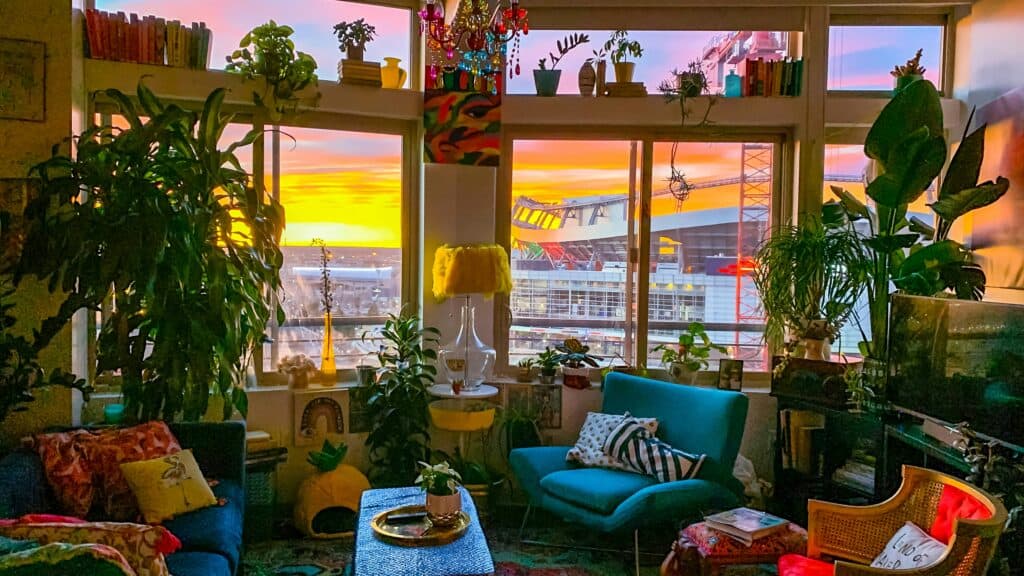
Best Indoor plants that produce more oxygen
Our Top Five
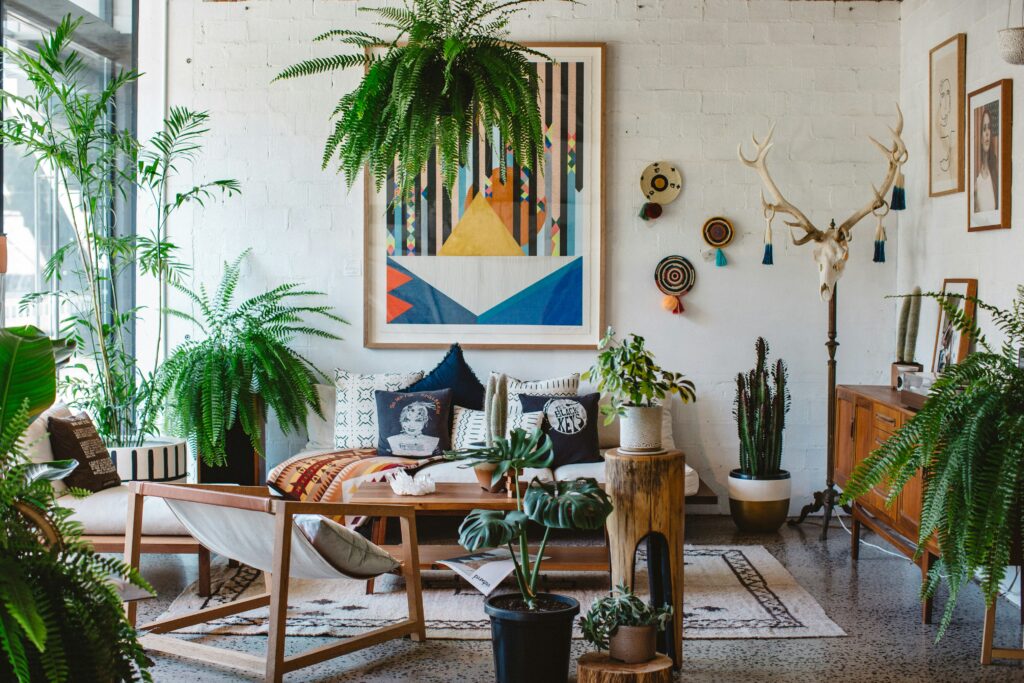
Best Indoor plants that are easy to care
Our Top Five
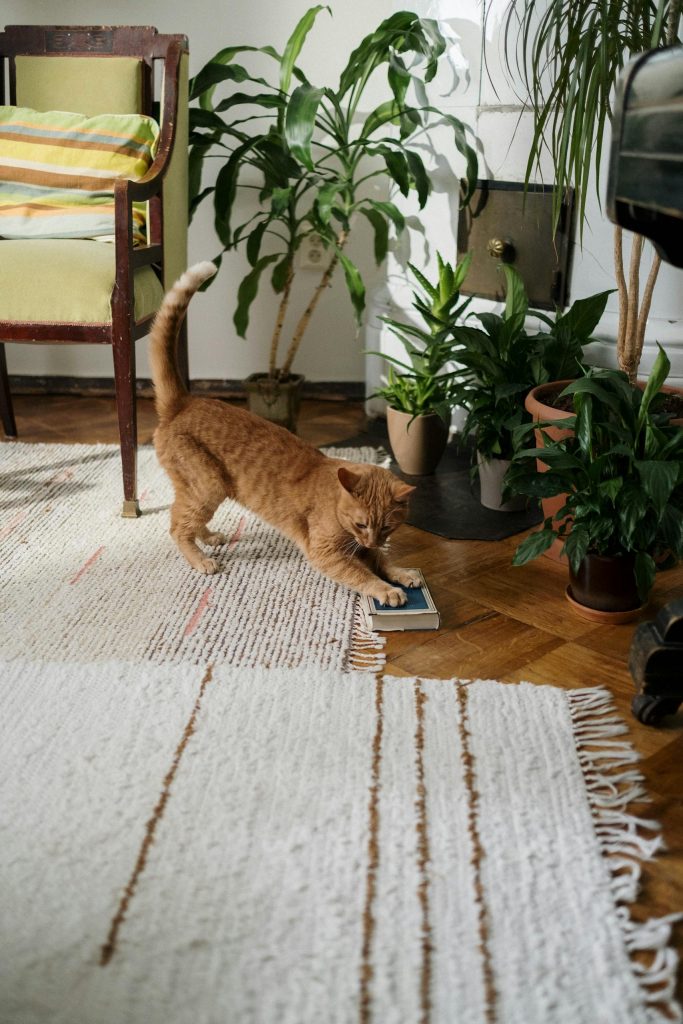
Best Indoor plants that are not toxic to cats and dogs
Our Top Five
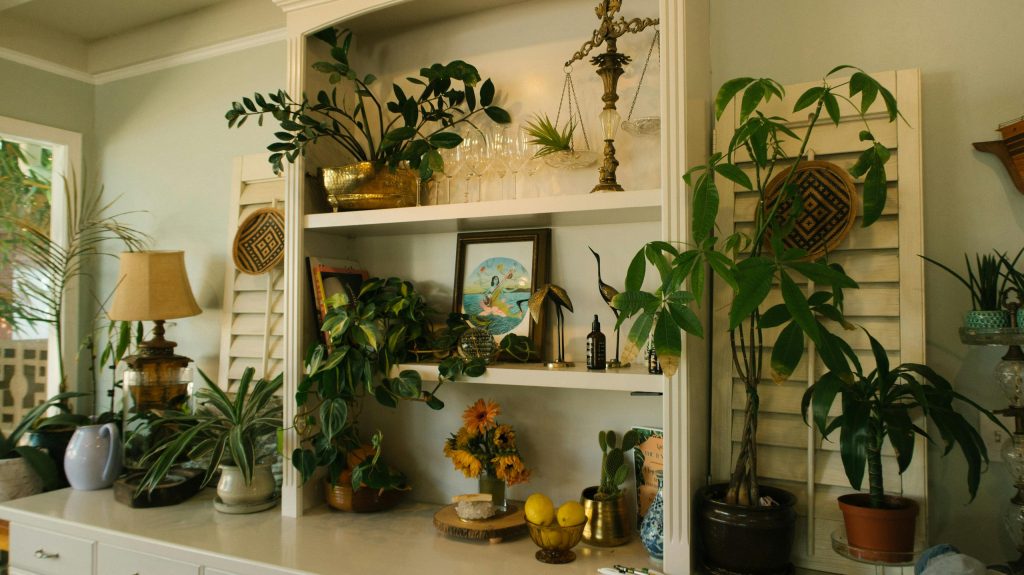
Best Indoor plants that grow in low light
Our Top Five
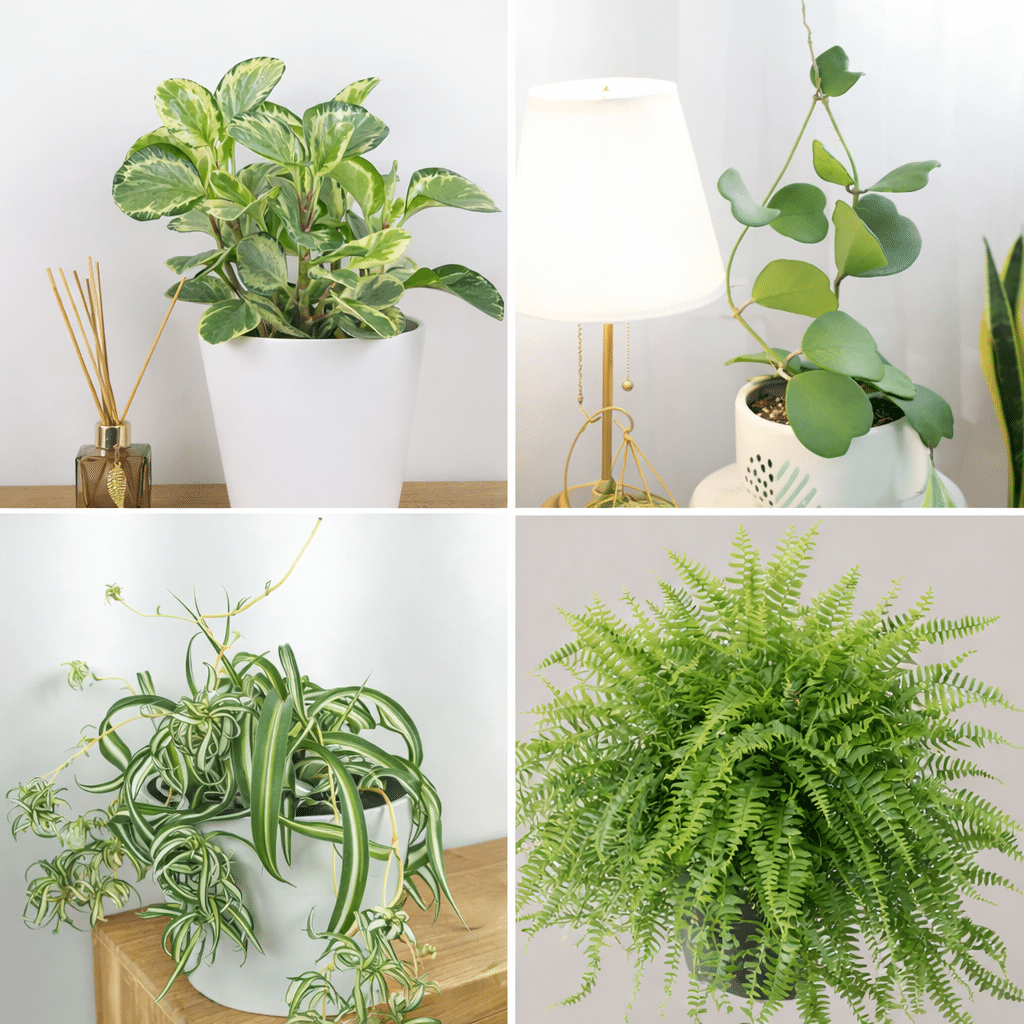
Best Pet safe trailing indoor plants
Our Top Five
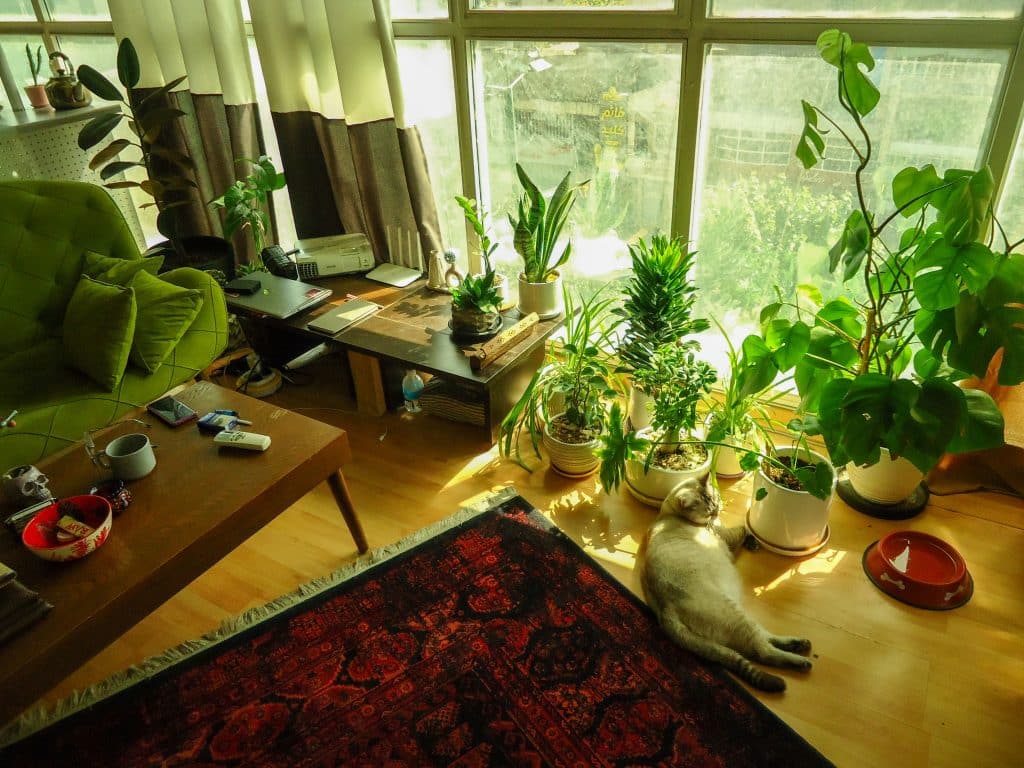
Best Pet safe Pink indoor plants
Our Top Five
- Pink Calathea
- Ultimate Moth Orchid Care Guide
- Christmas Cactus
- Pink Bromeliad
- African Violet
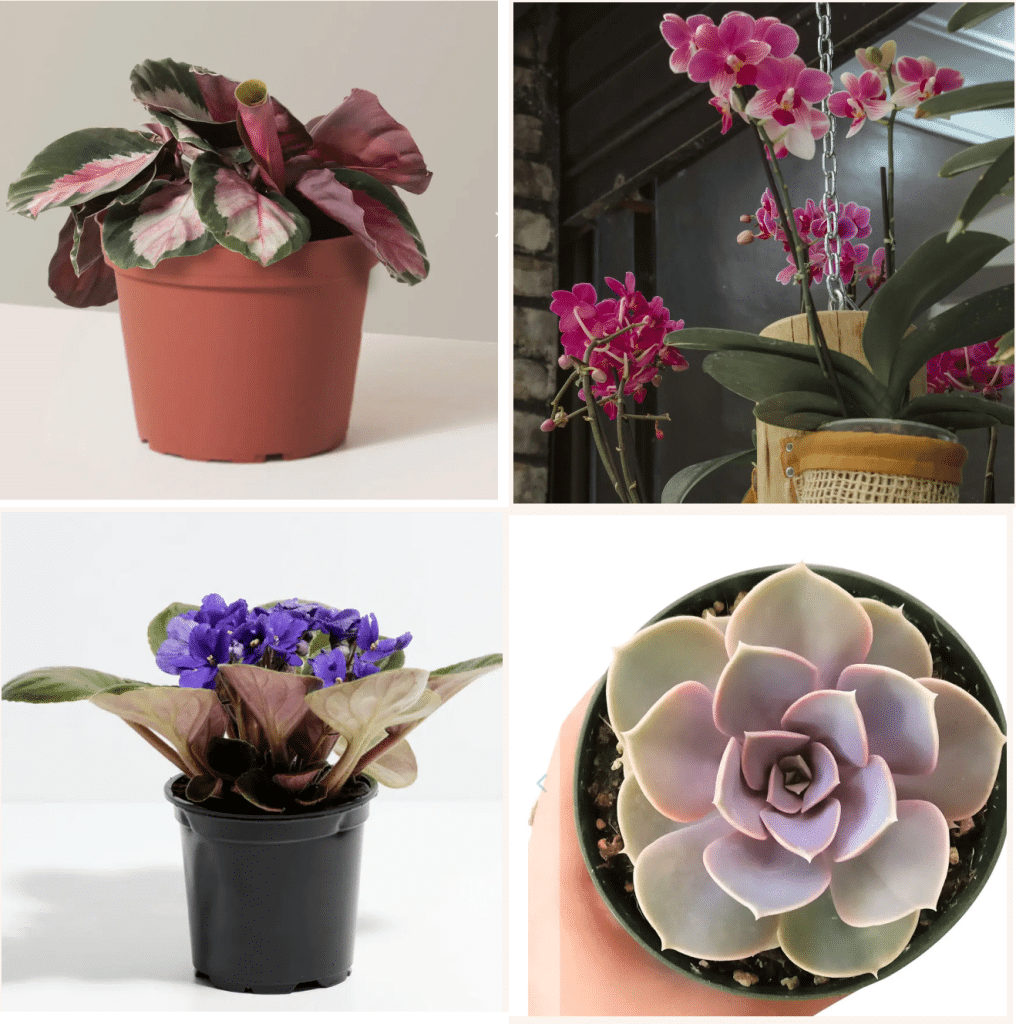
Best Pet safe Purple indoor plants
Our Top Five
- Purple Calathea
- Purple Orchids
- Purple Bromeliad
- Echeveria
- African Violet
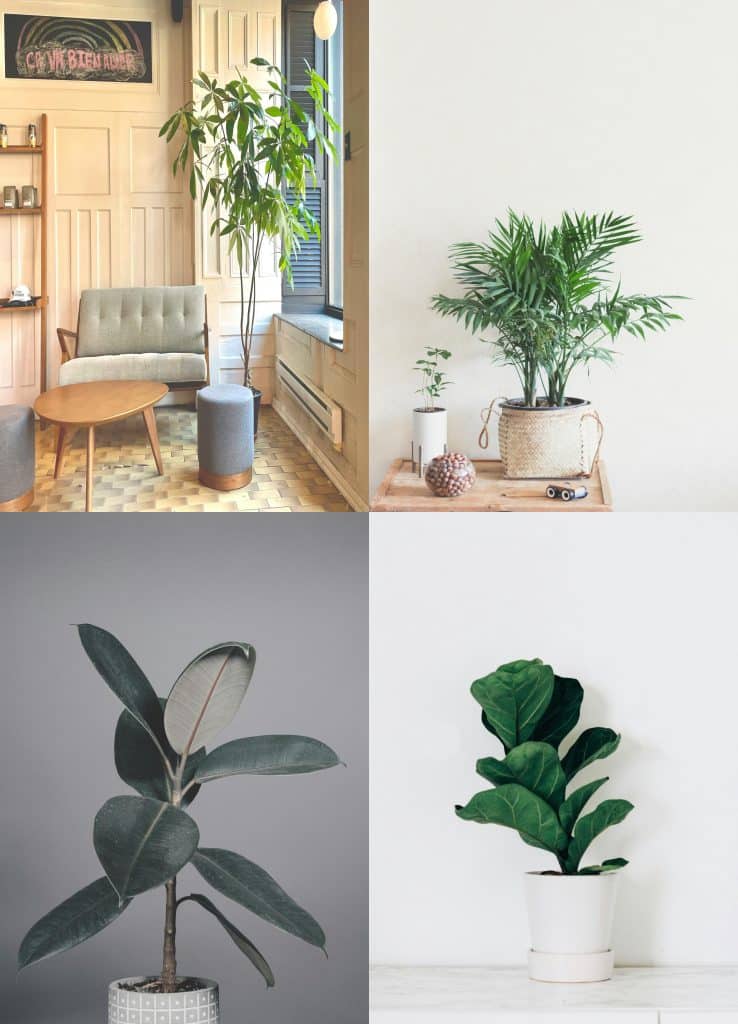
Best fast growing indoor trees
Our Top Five
- Bird of Paradise
- Fiddle Leaf Fig
- Rubber Plant
- Areca Plam
- Dracaena
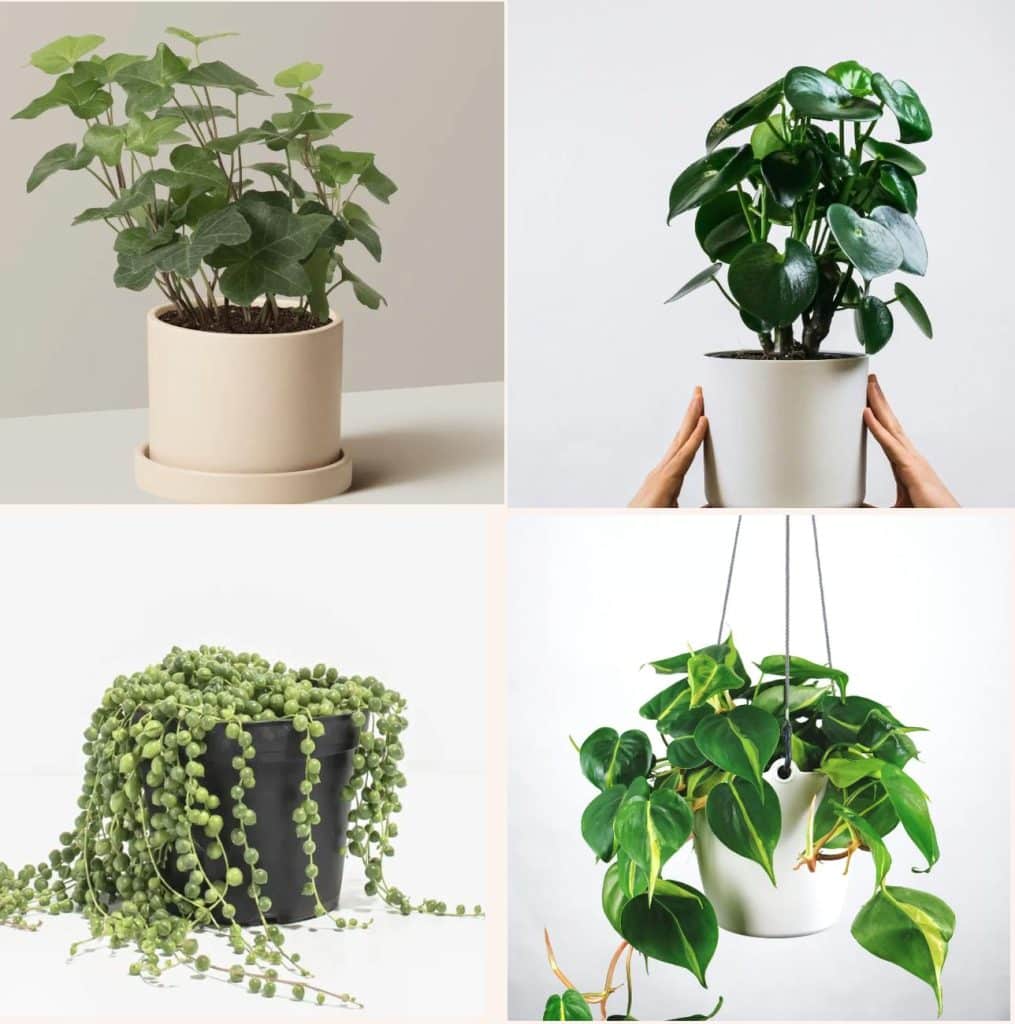
Best trailing indoor plants for shelves and baskets
Our Top Five
- Philodendron
- Peperomia
- String of pearls
- Pothos
- English Ivy
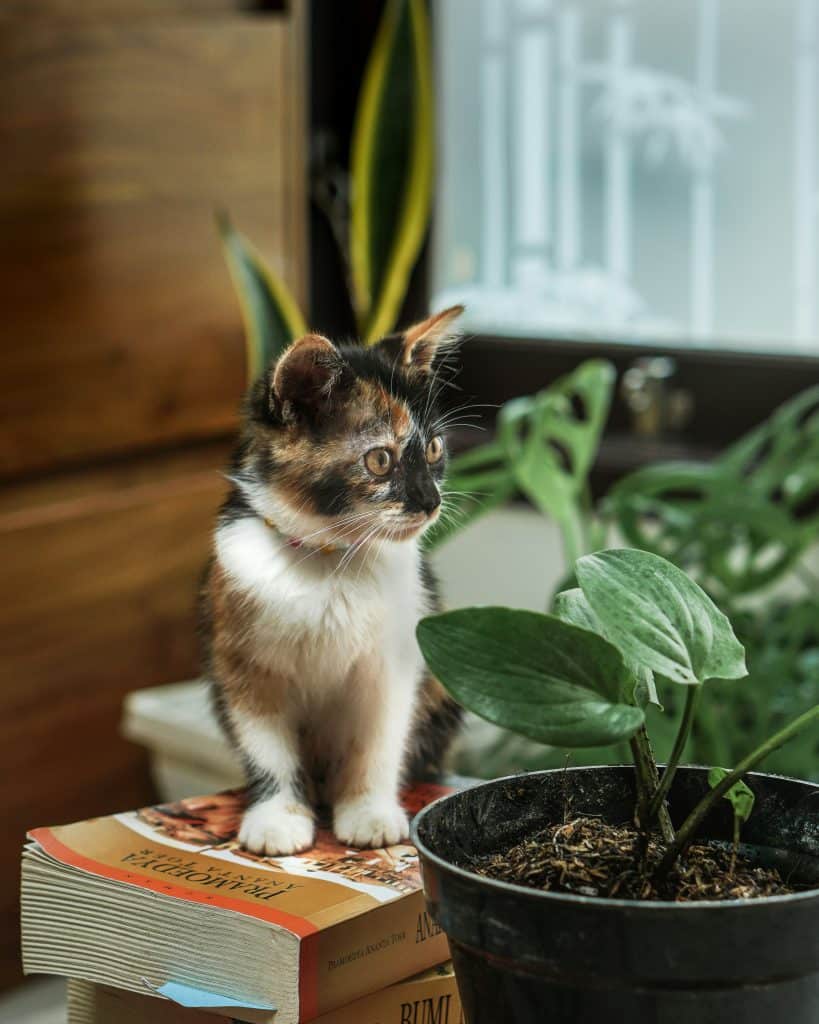
Best Pet safe low light indoor plants
Our Top Five
- Cast Iron plant
- Areca Palm
- Money Tree
- Parlor Palm
- Bamboo palm
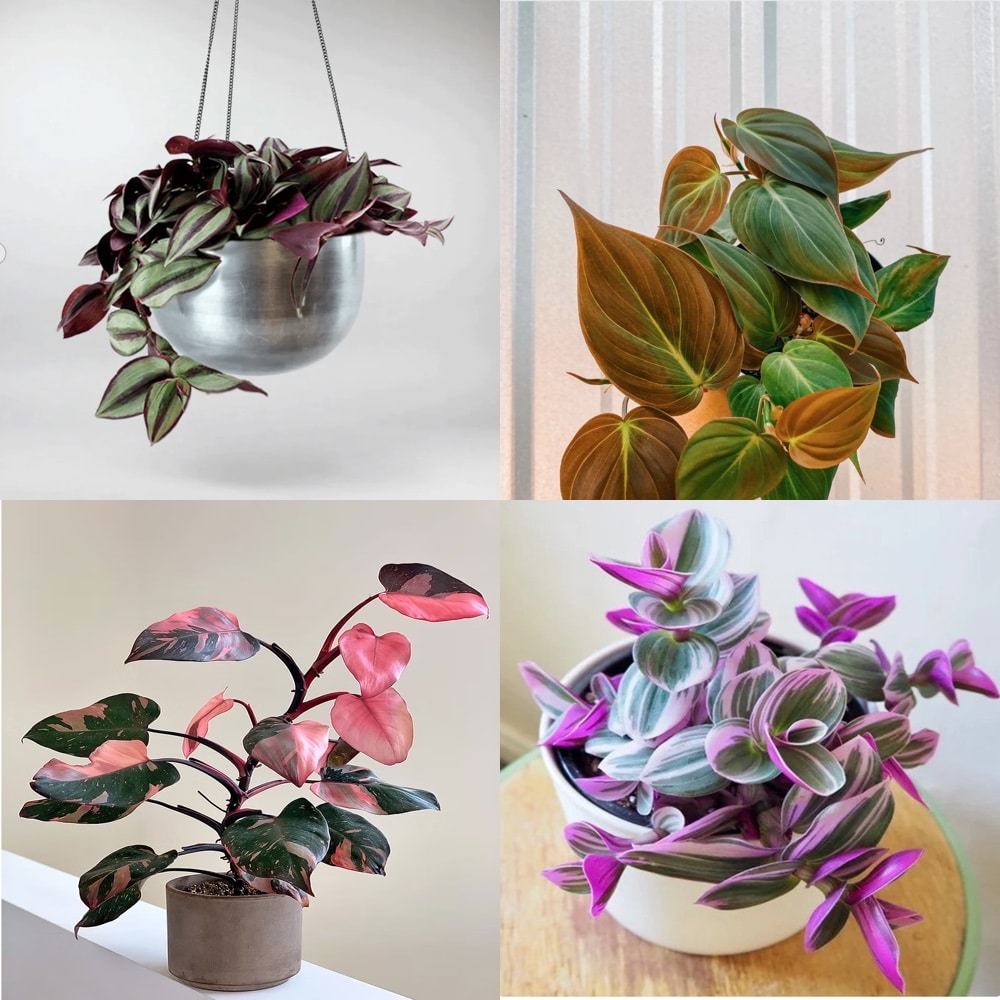
Best Pink and purple vining indoor plants
Our Top Five
- Pink Princess Philodendron
- Philodendron Micans
- Tradescantia Zebrina
- Tradescantia Bubblegum
- Lipstick Plant

Best Rare and Exotic indoor plants
Our Top Five
- Bird of Paradise
- Black ZZ plant
- Pink Princess Philodendron
- Monstera white
- Hoya Kerrii
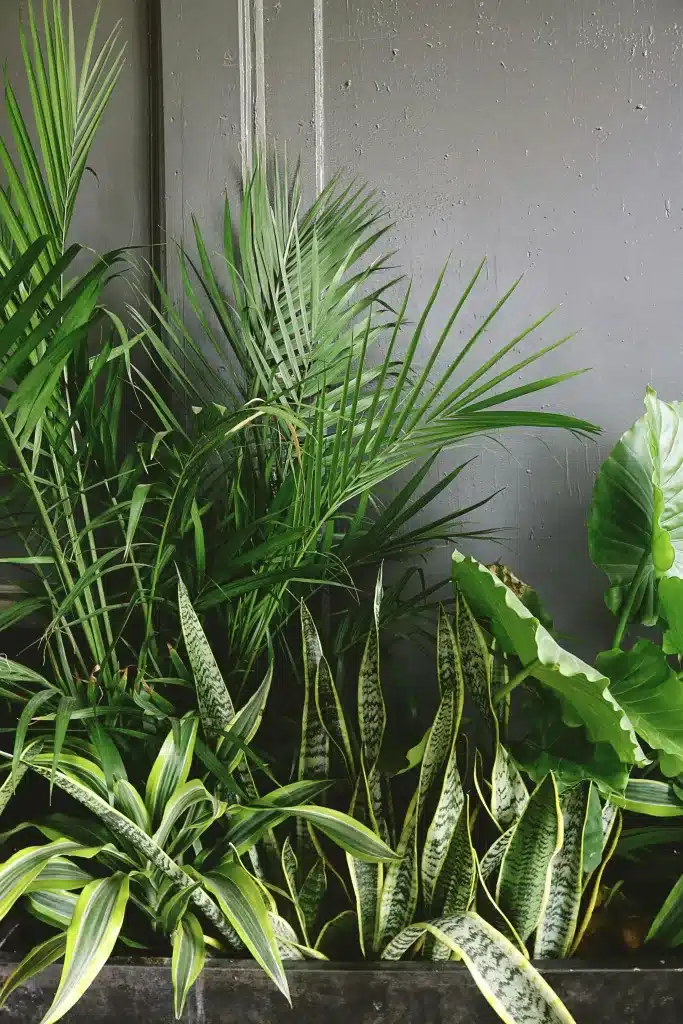
Best Tropical indoor plants
Our Top Five
- Bird of Paradise
- Fiddle Leaf Fig
- Rubber Plant
- Monstera Deliciosa
- Dracaena

Best Purple indoor plants
Our Top Five
- Purple Orchid
- Tradescantia Zebrina
- Purple Anthurium
- Purple Bromeliad
- Echeveria
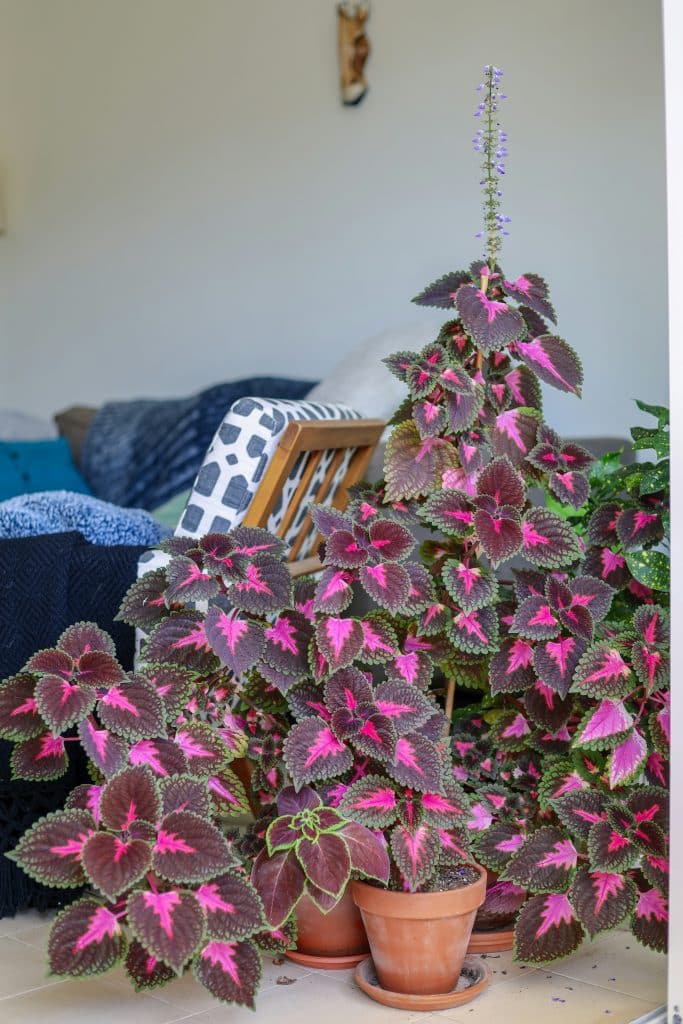
Best Pink indoor plants
Our Top Five
- Pink Princess Philodendron
- Pink Anthurium
- Pink Orchid
- African violet
- Tradescantia bubblegum
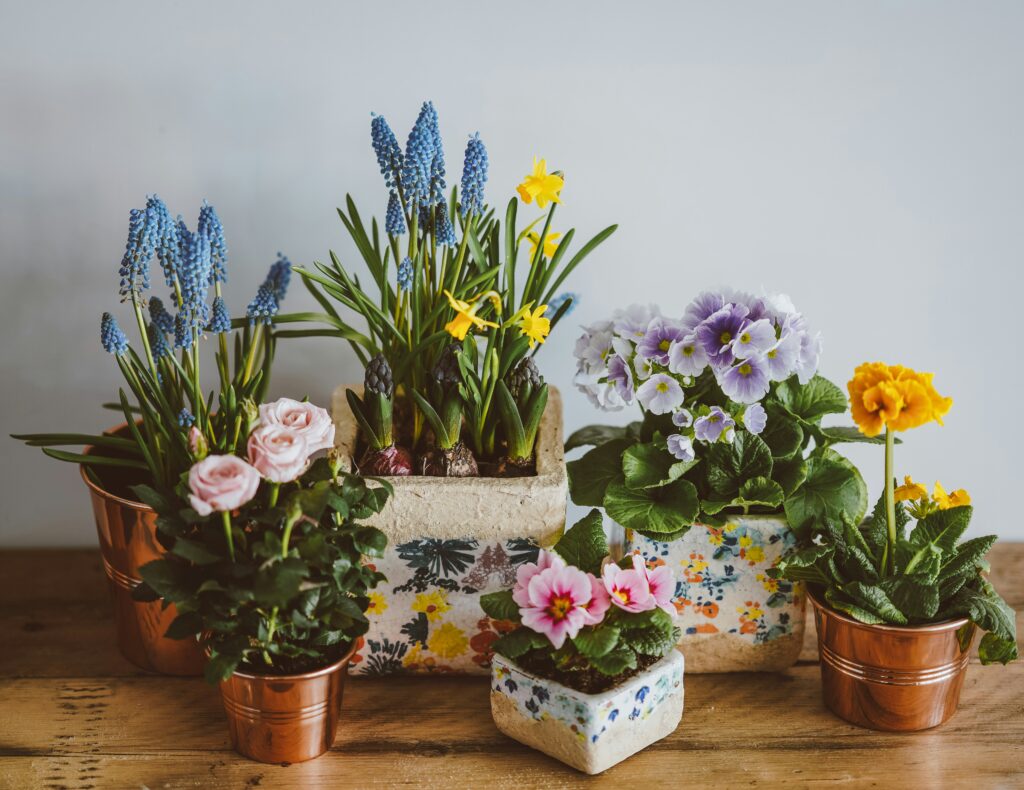
Best flowering indoor plants
Our Top Five
- Peace Lily
- African Violet
- Bromeliad
- Christmas Cactus
- Orchids
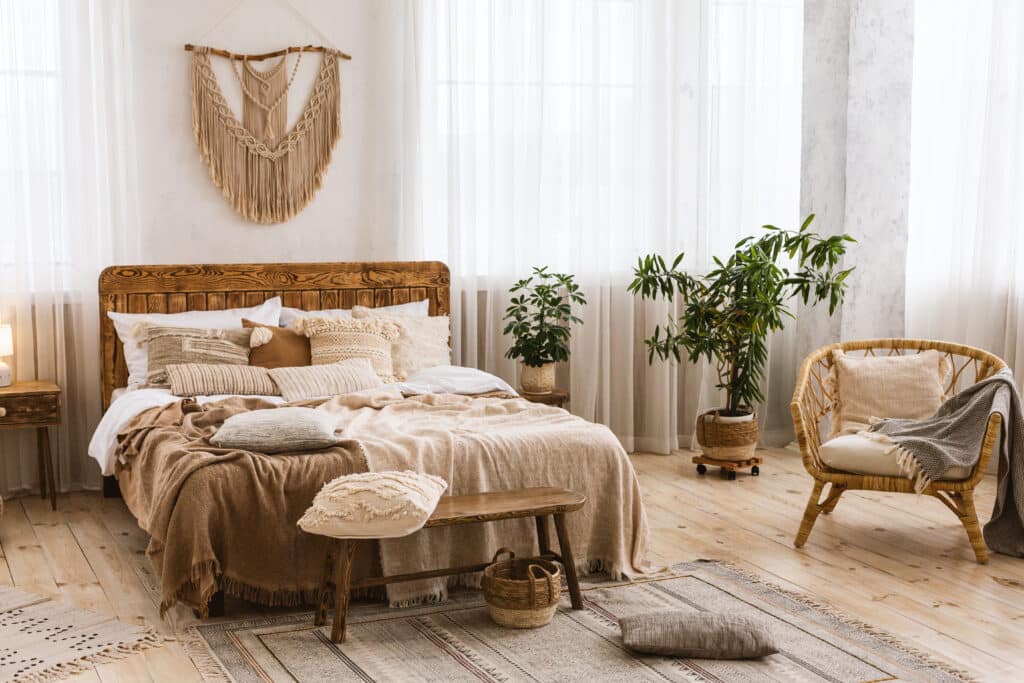
Best zen bedroom plants
Our Top Five
- Peace Lily
- Fiddle Leaf Fig
- Rubber Plant
- Monstera Deliciosa
- Jade Plant
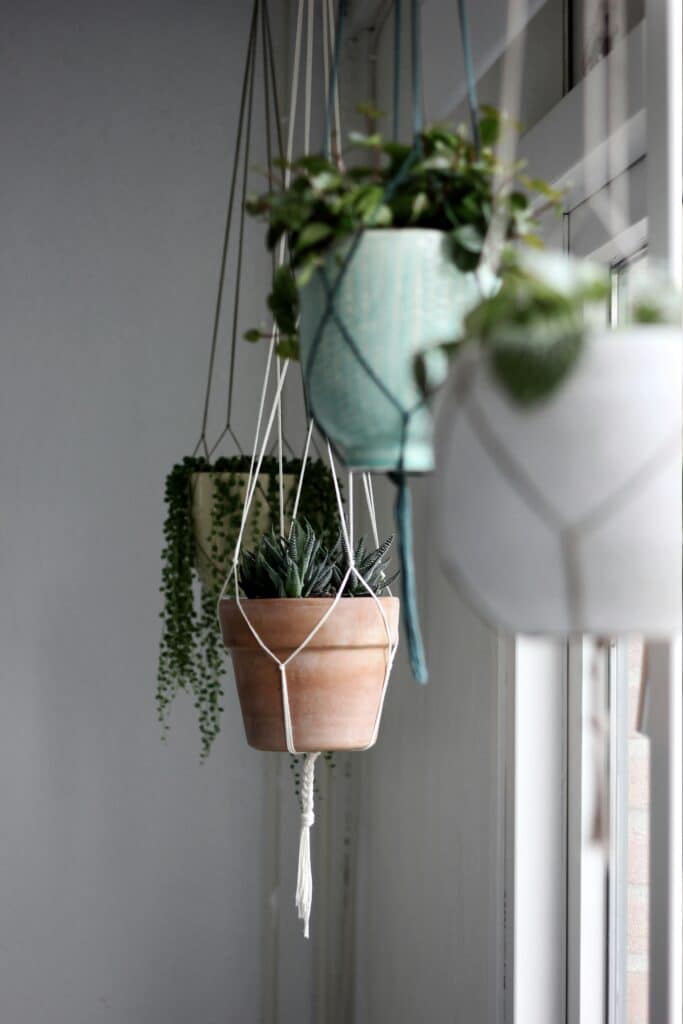
Best Trailing indoor plants
Our Top Five
- Pothos
- Philodendron
- Tradescantia Zebrina
- Spider Plant
- Tradescantia Bubblegum
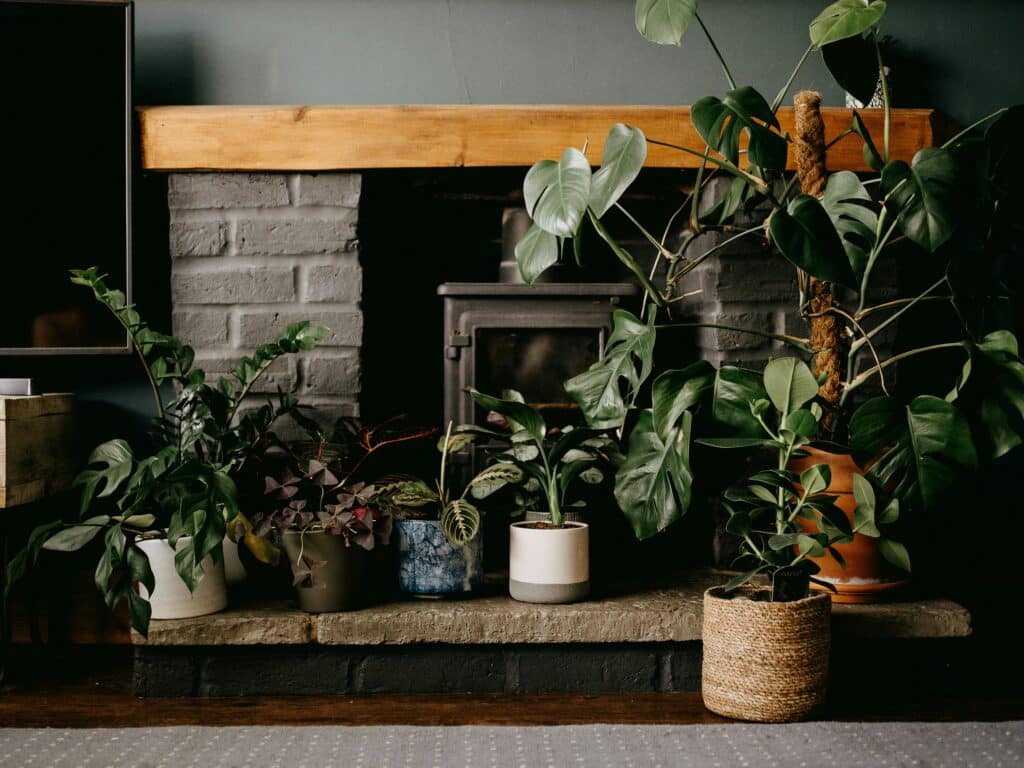
Best low light indoor trees
Our Top Five
- Cast Iron Plant
- Snake Plant
- ZZ plant
- Money Tree
- Dracaena
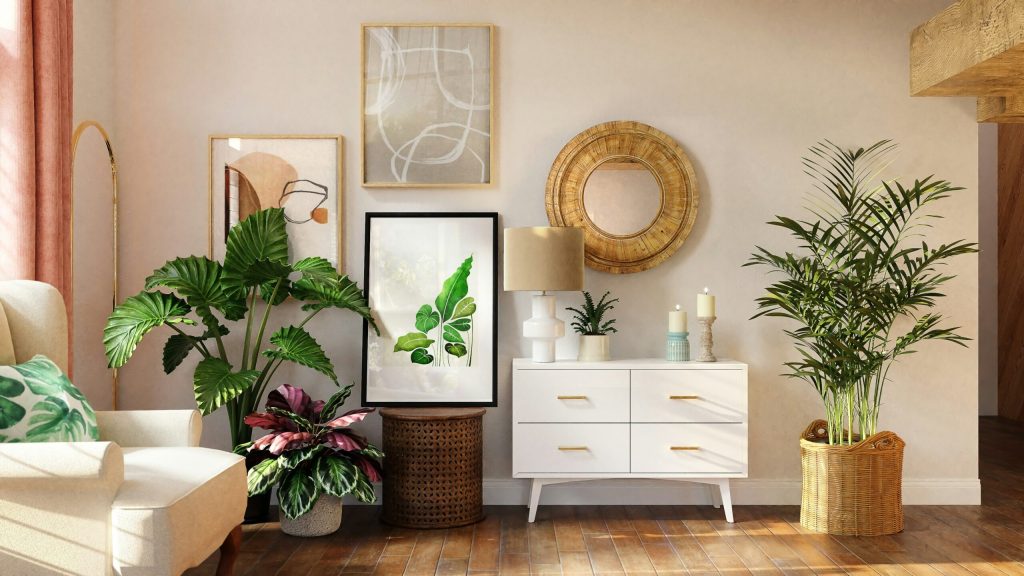

Best large leaf floor plants
Our Top Five
- Bird of Paradise
- Fiddle Leaf Fig
- Rubber Plant
- Monstera Deliciosa
- Dracaena
How we come up with the results (our process for transparency)
The recommendations this tool surfaces aren’t based on guesswork. Every plant in our database is tagged across six variables — light tolerance, growth habit, pet safety, watering needs, humidity preferences, and experience level — and each tag is cross-referenced against authoritative horticultural sources before it goes in.
Light is the variable most plant advice gets wrong. We use placement rather than window direction because placement is what actually determines how much light reaches your plant. A south-facing window means nothing if your plant is across the room. Our light thresholds are grounded in research from the University of Missouri Extension, which establishes that light intensity drops dramatically with distance from the source — a plant a few feet back from a bright window may be receiving as little as a quarter of the light available at the sill.
Pet toxicity is sourced directly from the ASPCA Animal Poison Control Center, the most comprehensive and consistently updated database of plant toxicity for cats and dogs. If a plant is listed as toxic there, we tag it toxic — no exceptions, no rounding down.
Watering and humidity needs draw on the Royal Horticultural Society’s plant care database, which provides detailed species-level guidance on moisture requirements. For plants where RHS data was limited, we supplemented with guidance from Clemson University’s Home and Garden Information Center, one of the most thorough university extension resources available for indoor plant care.
Experience level is our own judgment, informed by years of growing these plants in our Brooklyn brownstone alongside dozens of others. A plant tagged as experienced isn’t necessarily difficult — it’s one where the margin for error is narrower, where recovery from neglect or overwatering is harder, or where getting the conditions right requires more attention than a beginner is likely to give. We’ve killed enough of them to know.
The scoring algorithm weighs all six variables simultaneously. Light and vibe carry the most weight because they’re the hardest to compensate for — you can adjust your watering habits, but you can’t move your windows. Pet safety is a hard filter, not a score: if you have curious pets, toxic plants are removed from your results entirely, not just ranked lower.
Every recommendation is a real plant we have grown, observed, or researched in depth. Nothing in this database is filler.