philodendron care guide
Discover watering, soil, fertilizing, pests, styling, and troubleshooting tips for Philodendron from our experience growing and caring for it in our Brooklyn home!

We are an AD-FREE, community driven site. When you purchase through links, we may earn a commission, which helps sustain our blog!
Philodendron care guide
Care at a glance
How to care for Philodendron?
Philodendrons have trailing or climbing vines with soft, heart-shaped green leaves that bring a lush, tropical look to indoor spaces.
- Watering: Water when the top 2 inches of soil are dry; avoid soggy conditions.
- Light and temperature: Prefers bright, indirect light; tolerates medium light; ideal range is 65–85°F.
- Toxicity: Moderately toxic if ingested; causes mouth irritation and digestive distress (ASPCA).
- Soil and fertilizer: Use loose, peat-free mix with coco coir and perlite. Feed every 4-6 weeks during growing season.
- One common issue: Leggy growth is caused by low light—move closer to a bright window and prune.
- Propagation method: Root stem cuttings in water or soil with a visible node.
Our favorite soil and fertilizer for philodendron

2. Care mistakes we have learnt to avoid with philodendron plant
- Watering it like a thirsty tropical instead of a moderate drinker: Philodendrons hate sitting in consistently wet soil, and in our apartment that leads to yellowing leaves and soft stems fast. Their roots want moisture but also oxygen. We water only when the top inch dries and always use a chunky mix so the soil never compacts around the roots.
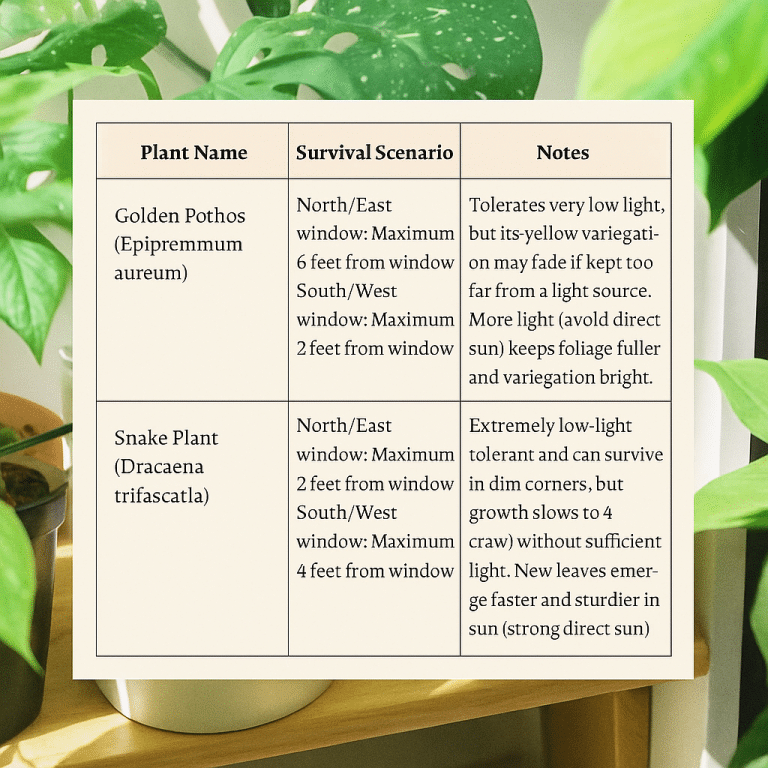
- Keeping it too far from a window because “Philodendrons tolerate low light”: Yes, they survive dim rooms, but indoors they become leggy, pale, and thin without enough brightness. The plant loses its lush shape and grows toward any sliver of light. We keep ours within 2–4 feet of an east or west window so it stays compact and vibrant.
- Using a pot that’s too large because the roots look crowded: Philodendrons prefer slightly tight pots, and extra soil around the roots stays wet for days. This leads to slow growth and root stress. We size up gradually and avoid deep pots that trap moisture at the bottom.
- Watering the same way in winter as in summer: In Brooklyn winters, radiators dry the air but the soil itself dries slowly because light is weak. Watering on a summer schedule leads to fungus gnats and mushy stems. We cut watering nearly in half from November to March and move the plant closer to the window to compensate for short days.
3. A real issue we have had with philodendron plant in our home
Our philodendron kept producing tiny, misshapen leaves, and we thought it needed more fertilizer. What surprised us was that the real issue wasn’t nutrients at all—it was light. The plant was too far from the window to build full-sized leaves, no matter how well we watered or fed it. Moving it closer to our west-facing window fixed the problem within a few weeks, and the next leaf came in noticeably larger.
lineage and Symbolism

The Philodendron (aka Philodendron spp.), part of the Araceae family, includes hundreds of species ranging from trailing vines to bold, upright tropicals. Whether heart-leaved or velvety, these plants bring texture and movement to any space — we keep several varieties in our Brooklyn home—some climbing, some spreading, all thriving in different corners and rooms while having two cats roaming! (But know that they ARE toxic to cats, we keep them high up, usually)
The most common types like Philodendron hederaceum and micans love to trail from shelves or climb moss poles. Others like gloriosum crawl horizontally and show off huge, velvety leaves with pale veins. What makes Philodendrons especially lovable? They adapt easily, grow quickly, and forgive a bit of neglect.
One quirky trait: their name comes from the Greek for “tree-loving,” since many naturally climb trees in rainforests using aerial roots.
Philodendrons symbolize love, growth, and deep connection. They’re most attuned to Cancer signs—nurturing, sensitive, and drawn to homey environments.
Read also: Philodendron Micans care guide, and pink princess philodendron care

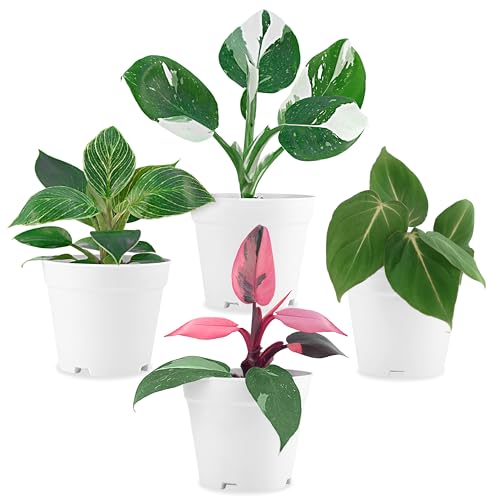
“Philodendron is stunning and easy to care for. It’s growing beautifully and quickly!”
What we wish we knew before buying
Philodendrons won’t stay full and lush unless they get more light than you think: We assumed they’d thrive in medium light because that’s what every plant shop says. Instead, ours thinned out fast in anything less than a bright, window-adjacent spot, no matter how well we watered or pruned. We wish someone had told us that these plants only look like the Instagram versions when they live right near a window—not tucked into a cozy corner.
Philodendron care infographic

📋 Use this infographic on your site — copy the code below:
Plant that pairs well with similar care needs

Light and placement and seasons

What is the light requirement for Philodendron?
Philodendrons prefer bright, indirect light, though many varieties also tolerate medium light. We’ve had micans thrive just a few feet from a north-facing window, while hederaceum loves an east exposure with filtered sun.
According to the theSill: “Philodendrons prefer medium to bright indirect sunlight.”
How to know if Philodendron is not getting right amount of light?
Philodendrons in low light may develop small, leggy growth or lose leaf color. We once kept a micans in a hallway(don’t recommend!)—it stretched and faded until we moved it to indirect light.
Too much direct sun, especially on delicate-leaved types, causes scorched edges and bleached patches.
Where to place Philodendron and where to avoid?
Place Philodendrons near east- or north-facing windows, or further back in brighter rooms. We hang ours from floating shelves and also train vines along trellises or poles for visual height. But mostly we make sure its not within reach to our cats.
Avoid full sun, cold drafts, or placement within inches of a hot radiator. In winter, we rotate them monthly to balance their lean.
Read also: our guide to making trailing plants grow longer vines, and making them climb
how does the plant behave across seasons
Spring: Growth picks up quickly, and new leaves come in larger and closer together. We water more often because the soil dries faster and start light fertilizing every few weeks. We pull the plant closer to our east or west window for a strong light boost. Occasional yellowing happens as winter leaves shed.
Summer: This is its fastest season, with long vines or upright stems pushing new leaves every couple of weeks. We water deeply but let the top inch dry first, and we fertilize monthly. Bright indirect light keeps the leaves big without burning. Heat can attract spider mites, so we check the undersides regularly.
Fall: Growth slows and leaf spacing becomes wider. We reduce watering because cooler nights hold moisture longer. As light drops sharply in Brooklyn, we move it closer to the window to prevent leggy stems. Older leaves may fade as the plant reallocates energy.
Winter: Growth nearly stops, and the plant becomes more sensitive to overwatering. We water sparingly—sometimes every 10–14 days—by checking pot weight rather than sticking to a schedule. We give it the brightest window we have to keep the internodes tight. Crispy tips or pale leaves appear if the radiators blast too close, so we shift it a few inches back.
Soil
What soil composition to use for Philodendron?

Philodendrons need well-draining, chunky soil that retains moisture without compacting. We mix 40% potting mix, 30% orchid bark, 20% perlite, 10% compost to support both trailing and upright types.
This balance prevents soggy roots while holding enough moisture for their tropical rhythm!
Best soil to use for Philodendron?
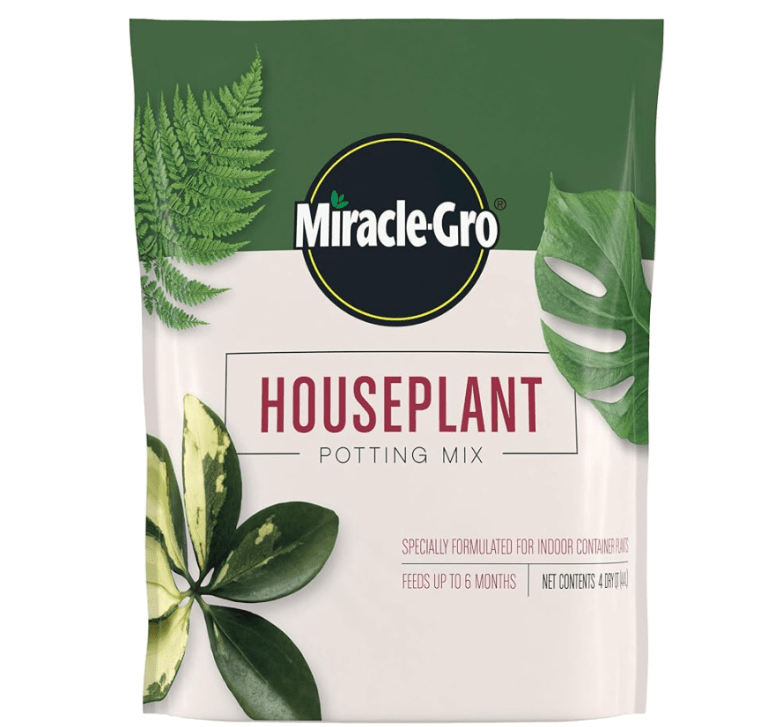
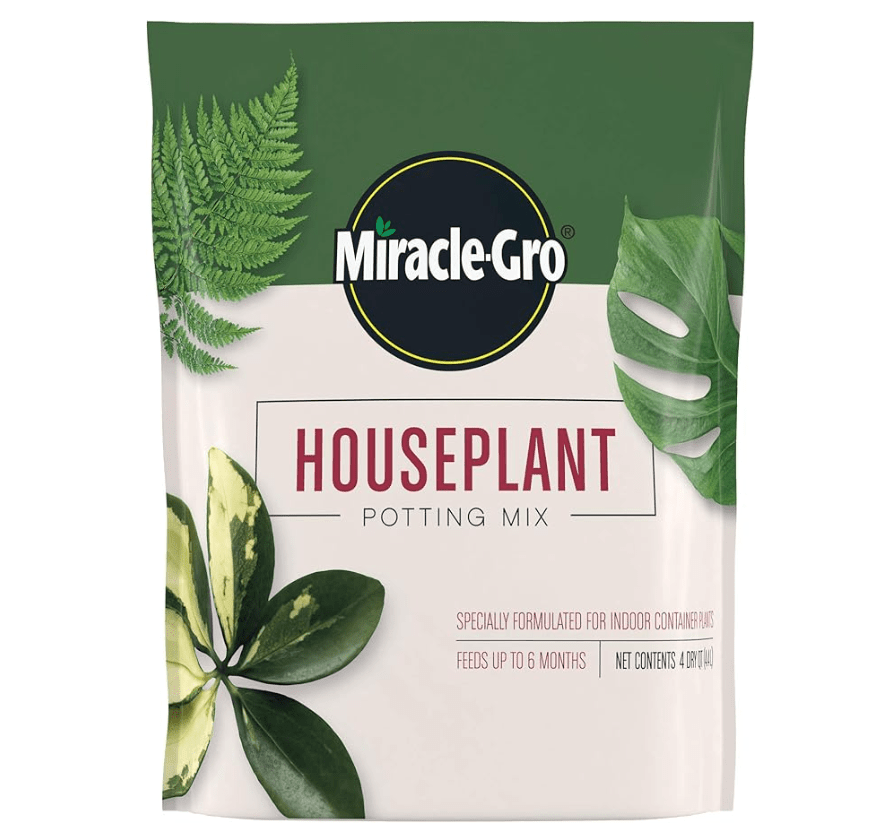
A great all purpose mix that we use for Philodendron as well is the Miracle Gro houseplant mix. You simply can’t go wrong with this and you can use this with a vast array of plants so its easy on your pocket!
Temperature and Humidity
What is the best temperature condition for Philodendron?
Philodendrons thrive between 65–85°F. Temperatures below 55°F can cause leaf curl, slowed growth, or black spots.
We avoid placing them near exterior doors or under AC vents—cool bursts can shock the leaves overnight.
What is the best humidity condition for Philodendron?
They prefer 50–60% humidity or higher, especially velvety species. In dry months, we group ours together or place them in naturally humid rooms like kitchens or bathrooms. We love keeping this on a stool next to the bath tub.
Crispy tips or curling edges suggest the air is too dry, especially in winter.


fertilizer
What is the best fertilizer composition to use for Philodendron?

Use a balanced 20-20-20 or 10-10-10 water-soluble fertilizer during active growth. For slower growers like gloriosum, we use a diluted strength to prevent leaf burn. In fact, we prefer to dilute it by default because better to underfeed than to burn them!
DIY Fertilizer Recipe: Blend 1 tablespoon of brewed banana peel tea (high in potassium) with 1 tablespoon worm castings and a pinch of Epsom salt (magnesium boost) in 1 liter of water. Use monthly during growing season to support leaf color and growth.
How and when to fertilize Philodendron?
Feed every 4–6 weeks from spring through early fall using diluted liquid fertilizer. Apply to moist soil, never dry. Vining types respond well to light, consistent feeding, while climbing varieties benefit from occasional slow-release options.
What are the signs Philodendron needs food?
Pale, slow-growing leaves or long gaps between nodes often signal nutrient deficiency.
We’ve seen this in older trailing plants that haven’t been repotted—after a feed and fresh mix, growth resumed.
Watch for fading leaf color and smaller new leaves, especially during the growing season.
Best fertilizer to use for Philodendron?
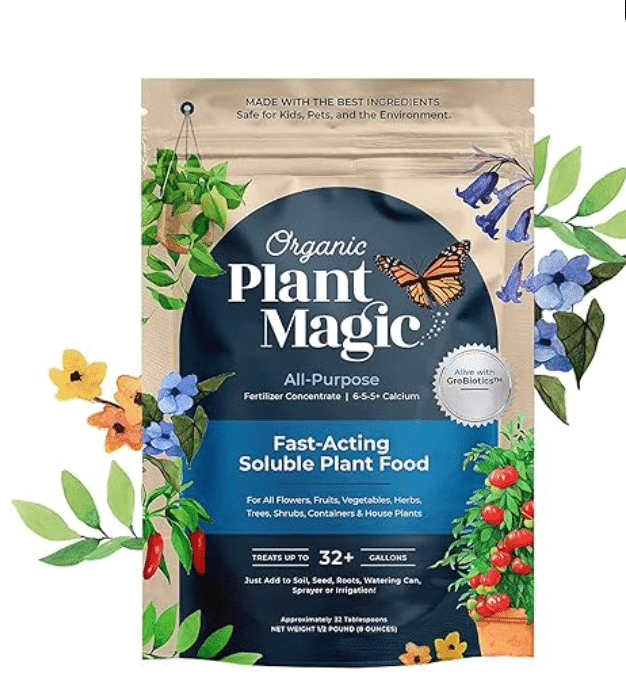
We’ve used Plant Magic Organic Fertilizer on our philodendrons when they looked a bit tired, and it consistently helped them bounce back. One of ours that hadn’t grown in months finally pushed out new leaves after two applications. The foliage also deepened in color—not dramatically — but enough that we felt confident keeping this in our regular rotation.
We apply it once a month, diluted, during the growing season. It seems to take a couple of weeks to show results, but it doesn’t burn or overwhelm the roots, even in smaller pots. In winter, we skip feeding completely. If we want to speed things up, we occasionally swap in a foliage-focused blend with a bit more nitrogen, but for gentle, baseline health, this one’s worked reliably!
Pots and planters
What are the best pots to use for Philodendron?
Use terracotta or breathable ceramic pots with drainage holes. For trailing types, we use hanging planters with built-in saucers. For upright varieties: we choose deep, weighted pots.
Avoid glass or metal unless there’s ample airflow and drainage. Generally recommendation is to repot every 2–3 years as roots fill the container.


Read also: Best hanging baskets, and best trellises for hanging plants. And our guide to styling trailing houseplants
Watering
How and When to water Philodendron?
Water when the top 1–2 inches of soil feel dry—usually every 10 days in warm months, less in winter. We water thoroughly until it drains, then discard any excess from saucers.
Trailing types dry out faster, while large-leafed species may need more time between waterings.
what are the Signs of over or under watering Philodendron?
Overwatering: Yellowing leaves, soggy soil, mushy stems. Root rot develops quickly in poorly draining pots.
Underwatering: Drooping, dry edges, and curling leaves. In our case, a micans perked up within hours after a full soak. Always test the soil before watering, not just by the calendar! this is also just more fail safe and easier method, especially if there are more than one person feeding plants.
pruning
When to prune Philodendron and why?
Pruning encourages bushier growth and removes dead or leggy stems.
When to prune:
Early spring or after a growth spurt
If stems get bare or leaves yellow
To shape trailing vines or cut back unruly aerial roots
how to prune Philodendron?
Use sterilized shears or scissors
Cut just above a leaf node
Remove yellow, torn, or damaged leaves at the base
Trim vines to desired length or encourage branching
how to care after pruning Philodendron?
Avoid direct sun for a few days
Let cut edges callous over
Watch for new nodes forming below the cut
propagating
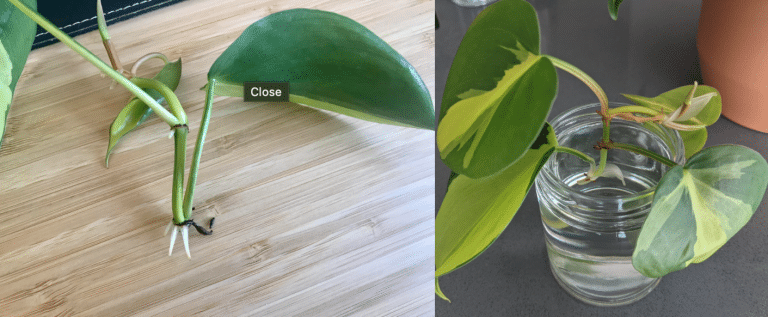
When to Propagate Philodendron?
The easiest and most reliable method is stem cuttings in water.
When to propagate:
Spring or summer
After pruning healthy stems with at least one node and one leaf
how to Propagate Philodendron?
Cut ½ inch below a node on a healthy stem
Place the cutting in water with only the node submerged
Change water every 5–7 days
Wait 3–4 weeks for roots to grow 2–3 inches
Transfer to soil and water lightly
how to care after propagating Philodendron?
- Keep in bright, indirect light
- Avoid overwatering until roots anchor in soil
Troubleshooting common issues

Why are the leaves of my Philodendron drooping?
Drooping usually results from underwatering or dry air.
Water thoroughly and check for consistent humidity to revive turgor.
Why are my Philodendron leaves yellowing?
Excess moisture and poor drainage are common causes.
Allow soil to dry between waterings and ensure the pot drains well.
Why are new Philodendron leaves small or pale?
Insufficient light or nutrients can stunt growth.
Move to brighter indirect light and resume monthly fertilizing in growing season.
Why is my Philodendron growing leggy?
It may be resting, underfed, or low on light. Move it to a brighter spot and try a diluted feed in spring.
Why do some leaves develop black spots?
Cold drafts or fungal issues from moisture buildup can cause spotting.
Trim affected leaves, increase airflow, and avoid overhead watering.
Why are the leaf edges brown or curling?
Low humidity or underwatering causes crispy tips.
Raise humidity and maintain consistent moisture during warm months.
Why are the leaves losing their deep green color?
Nutrient deficiency or root crowding may be to blame.
Repot if rootbound and refresh soil with compost or castings.
FAQ
Can I grow Philodendrons outside?
Yes, in USDA zones 9–11 or in pots moved outdoors in summer.u003cbru003eAvoid direct sun and bring indoors when temps drop below 55°F.
u003cstrongu003eHow do I repot a Philodendron?u003c/strongu003e
Choose a pot 1–2 inches wider with drainage, and use fresh chunky soil.u003cbru003eGently loosen roots and place at the same depth as before.
Can I grow Philodendron from seed?
It’s possible but uncommon and slow.u003cbru003eStem propagation is far easier and more reliable indoors.
Is philodendron toxic to pets?
Yes, it contains calcium oxalates and is toxic if ingested by cats, dogs, or humans.
What are the benefits of a philodendron?
It’s easy to care for, purifies air, and adapts to a range of light conditions. It’s a top pick for indoor greenery.
Can philodendrons grow in water?
Yes, cuttings can live in water for months. Refresh the water weekly and provide indirect light.
How much light does philodendron need?
Bright, indirect light is best. They tolerate medium light but may grow leggy in low light.
How do I make my philodendron bushier?
Prune leggy stems above a node to encourage new growth. Bright light also promotes fullness.
When should I repot a philodendron?
Every 1–2 years or when roots outgrow the pot. Use a rich, chunky soil mix.
What’s the difference between pothos and philodendron?
Pothos has waxier, thicker leaves and a slightly different petiole structure — philodendron leaves are softer, thinner, and heart-shaped, with a more flexible stem.
Why is my philodendron wilting?
Underwatering, overwatering, or root rot can all cause wilting. Check soil moisture and root health.
How fast does philodendron grow?
It grows quickly in warm, bright environments—often several feet per year indoors.
Can I propagate philodendron from a leaf?
No, you need a node for propagation. Stem cuttings with a node root easily in water or soil.
Is philodendron safe for kids?
No. All parts are toxic if ingested, and sap may cause skin irritation.
Personal Quotes & Tips from Houseplants Nook (and Beyond!)
- “I had a Philodendron that wasn’t growing much until I moved it closer to a window with bright, indirect light. Within weeks, new leaves started to unfurl, and the plant looked healthier overall.” Source: Reddit
- “After overwatering my Philodendron, the leaves turned yellow and droopy. I let the soil dry out completely before watering again, and it bounced back within a few days.” Source: Reddit
- “I noticed my Philodendron’s leaves were getting smaller over time. I started fertilizing monthly during the growing season, and the new leaves are now larger and more vibrant.” Source: PlantSavvy
- “My Philodendron developed brown leaf tips. I realized it was too close to an air vent, so I moved it away from drafts, and the new growth has been healthy since.” Source: Southern Living
- “I propagated my Philodendron by taking stem cuttings and placing them in water. Roots developed within two weeks, and I now have several new plants from the original.” Source: The Spruce