Snake plant(Dracaena trifasciata)
Discover watering, soil, fertilizing, pests, styling, and troubleshooting tips for Snake plant from our experience growing and caring for it in our Brooklyn home!

We are an AD-FREE, community driven site. When you purchase through links, we may earn a commission, which helps sustain our blog!
Snake plant care guide
care at a glance
How to care for Snake plant?
The snake plant has upright, sword-like leaves in deep green with yellow or silver edges and thrives as a hardy, sculptural houseplant.
- Watering: Let the soil dry out completely between deep waterings to prevent rot.
- Light and temperature: Prefers bright indirect light but tolerates low light; thrives in 65–85°F.
- Toxicity: Mildly toxic to pets and humans; can cause nausea or mouth irritation (ASPCA).
- Soil and fertilizer: Use fast-draining, peat-free cactus mix with perlite; feed monthly in spring/summer.
- One common issue: Mushy leaves are caused by overwatering—reduce frequency and check drainage.
- Propagation method: Divide and repot healthy leaf clumps with roots attached.
Our favorite soil and fertilizer for Snake plant


2. Care mistakes we have learnt to avoid with snake plant
- Watering it “just a little” every week: Snake plants store water in their leaves, so frequent small waterings keep the soil constantly damp, which suffocates the roots. This plant needs long dry spells to stay firm and upright. We water deeply but rarely, letting the soil dry out fully—sometimes for weeks.
- Putting it in a dim corner and expecting upright growth: Everyone says snake plants tolerate low light, but indoors that really means “survive,” not “look good.” In low light the leaves lean, twist, or fall open because they’re straining toward a window. We keep ours within 3–5 feet of a bright east or west window so the leaves stay tight and vertical.
- Using a deep, oversized pot that never dries: Snake plant roots are shallow and dry-loving, so tall pots trap moisture right where the rhizomes sit. That’s how we lost our first one—slow rot at the base we didn’t see. Now we use wide, shallow pots with a gritty mix so the soil dries evenly and quickly.
- Watering the same in winter as in summer: In our Brooklyn home, winter heat slows growth almost to zero, and the plant barely absorbs moisture. Summer watering habits cause soft leaves, wrinkling, and base rot in January. We now water every 4–6 weeks in winter and only resume regular watering when new leaves start pushing in spring.
3. A real issue we have had with Snake plant in our home
Our snake plant once started leaning so dramatically that entire fans of leaves were tipping over. We thought it meant the plant was getting too tall, but the real cause was how little light that corner actually received in winter. The leaves were stretching and weakening at the base. Moving it closer to our west window tightened the new growth, and the plant slowly rebuilt its upright shape over the next few months.
lineage and Symbolism

The Snake Plant (aka Sansevieria trifasciata, now Dracaena trifasciata) from the Asparagaceae family is one of the most resilient, sculptural plants we keep in our Brooklyn home. Its sword-like leaves rise stiff and upright, often banded with dark green, light green, or yellow margins depending on the cultivar!
It’s perfect for minimal watering schedules and awkward corners where other plants fail. Ours currently thrives in a hallway with only a bit of ambient light. At maturity, it can reach 2–4 feet tall depending on the variety.
A quirky fact: it was once nicknamed “Mother-in-Law’s Tongue” for its sharp leaf shape and reputation for being tough—just like its tolerance for neglect! (No comparison to mother-in-law on this point though :))
The Snake Plant symbolizes tenacity, protection, and purification. It aligns well with Virgo—practical, low-fuss, and quietly effective!
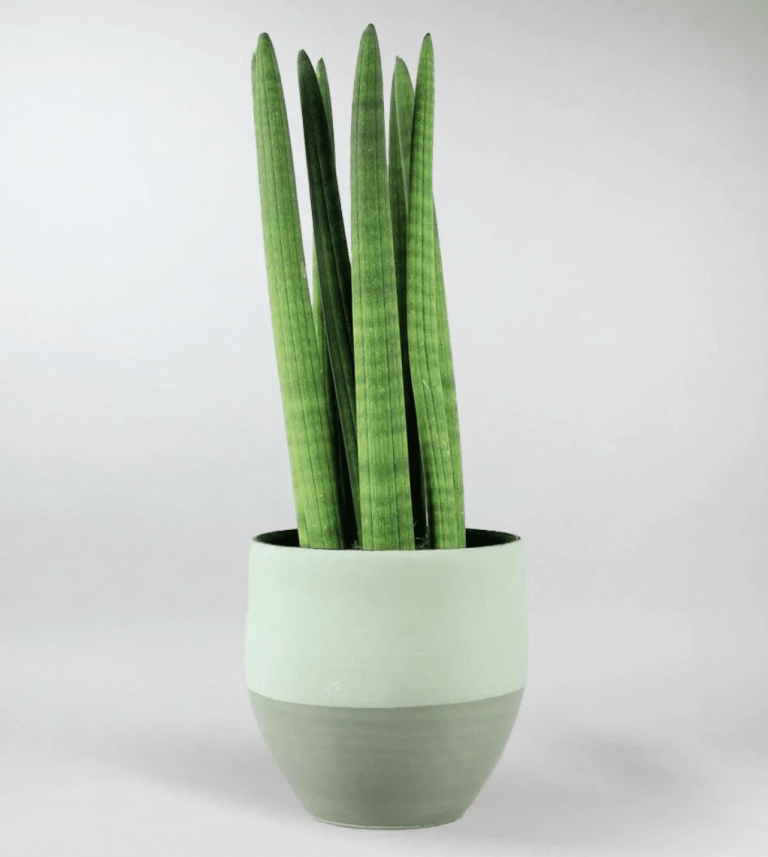
Read also: Cylindrical snake plant, Whale fin snake plant care guides.


$58
“This plant is almost indestructible! Perfect for beginners and looks great”
What we wish we knew before buying
It only looks perfect in bright light, not low light: We bought it assuming it would thrive in dark corners, but in our home those corners made the leaves flop, twist, and lose their tight architectural shape. The plant survives low light, but it doesn’t perform there. We wish someone had told us that snake plants are actually medium-to-bright-light plants if you want the upright, sculptural look everyone loves online.
Snake plant care infographic

📋 Use this infographic on your site — copy the code below:
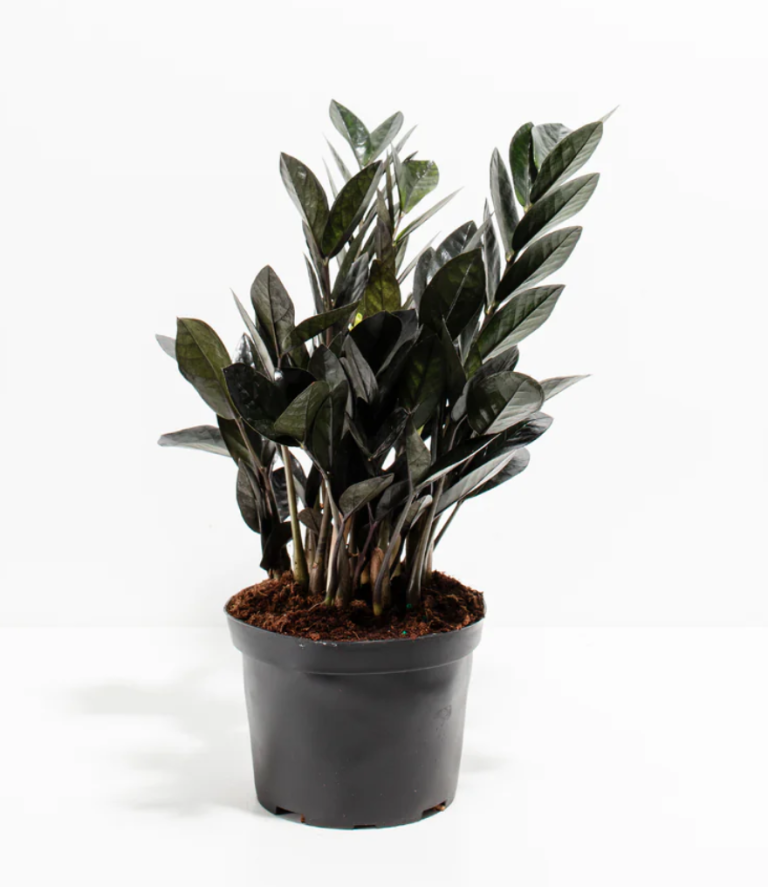
Plant that pairs well with similar care needs
Light and placement and seasons
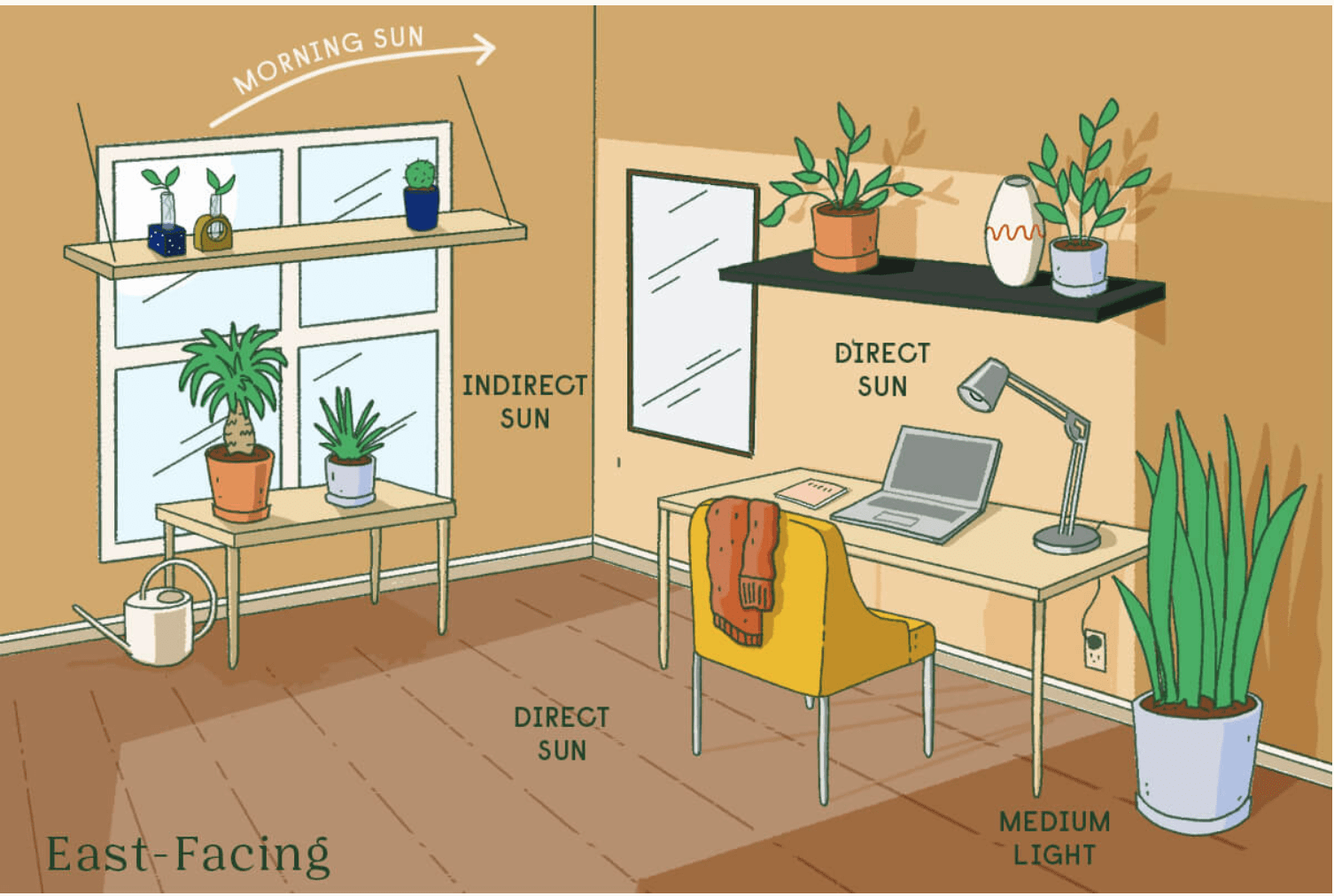
What is the light requirement for Snake plant?
We keep one near a north-facing window and another in the hallway with an ambient light—they both thrive, though growth slows in extremely lower light.
According to The Sill: “Snake plants are extremely adaptable and will tolerate low light, though they grow faster in medium to bright indirect light.”
How to know if Snake plant is not getting right amount of light?
Lack of light results in slow growth, loss of variegation, or weak, droopy leaves. We had one planted too far from a window—it started stretching and pale streaks faded until we moved it.
Excess direct sun, especially through glass, causes leaf scorch or bleached patches.
Where to place Snake plant and where to avoid?
Place Snake Plants within 5–8 feet of bright windows, or in low-light rooms where other plants struggle. We’ve had success in shaded entryways, bathrooms, and beside east- or north-facing windows.
Avoid placing them in full sun or drafty spots near exterior doors. They’re cold-sensitive and dislike rapid shifts in temperature.
Read also: Guide to keeping low light houseplants healthy
How does Snake plant behave through seasons
Spring: Growth slowly restarts, and new leaves push up from the center. We water a bit more often because the soil finally dries between waterings. We move it closer to bright windows to give the new growth strength. Occasional wrinkling on older leaves shows us when we waited too long to water.
Summer: This is its peak growth period, with firmer leaves and faster soil drying. We water deeply but infrequently, and we fertilize lightly once a month. Bright east or west windows help the leaves stay upright and thick. Heat can trap moisture at the bottom of pots, so we always use gritty soil and check drainage.
Fall: Growth slows and the plant starts storing energy for winter. We begin spacing out our watering and stop fertilizing. Light drops fast in our Brooklyn apartment, so we nudge it closer to a window to prevent leaning. Old leaves sometimes yellow as the plant reallocates resources, and we trim them cleanly.
Winter: Growth nearly stops, and this is when snake plants become most vulnerable to rot. We water every 4–6 weeks depending on radiator heat, letting the soil dry out completely. We avoid placing it too close to cold windows but keep it in bright light so it doesn’t stretch. Softness at the base is our warning sign we watered too soon.
Soil
What soil composition to use for Snake plant?

Snake Plants prefer gritty, fast-draining soil that mimics their arid habitat. We have used many mixes in the past, but this mix: 50% cactus mix, 25% perlite, and 25% coarse sand has proven to prevent soggy roots.
This blend drains fast and keeps oxygen moving around the rhizomes—key to preventing rot.
Best soil to use for Snake plant?

This generic mix from Miracle gro has worked wonders for our snake plant. We have used this for years.
Temperature and Humidity
What is the best temperature condition for Snake plant?
Ideal temperature is 65–85°F. Below 50°F, they risk cold damage—blackened tips or mushy leaves. We never place them near open windows in winter and avoid air-conditioned drafts in summer.
Slow growth in winter is normal. Consistent warmth keeps them looking strong.
What is the best humidity condition for Snake plant?
Snake Plants prefer average indoor humidity (30–50%) and tolerate dry air well. We never mist ours — in fact, high humidity combined with low airflow can encourage rot. Really, this loves to be neglected.
They’re ideal for NYC apartments with dry heat or air conditioning.


fertilizer
What is the best fertilizer composition to use for Snake plant?
Use a balanced 10-10-10 fertilizer or cactus fertilizer during active growth. We avoid high-nitrogen formulas, which can cause overly soft growth in a slow-growing succulent.

Our preferred method: a half-strength cactus fertilizer every 6 weeks from spring through early fall.
How and when to fertilize Snake plant?
Fertilize every 6–8 weeks in spring and summer only. We water first, then apply diluted fertilizer at the base—never on dry soil, and never in winter. But truthfully, many years we have not fertilized this plant and it was fine!
Too much fertilizer risks salt buildup, which causes leaf tip burn.
What are the signs Snake plant needs food?
Slow growth during peak season and paler, thinner new leaves are typical signs. We only fertilize when conditions (light and warmth) support active growth.
Lack of nutrients is rare unless it’s been years without feeding or fresh soil.
Best fertilizer to use for Snake plant?
We’ve used Plant Magic’s organic fertilizer on our snake plants and found it gentle, consistent, and easy to trust. It doesn’t push aggressive growth, but it keeps the leaves firm, upright, and healthy without any yellowing or soft spots. Even when we used it monthly during spring and summer, the plants stayed balanced—never overfed!
If we’re aiming for a growth boost, we’ll sometimes rotate in a foliage-focused fertilizer like a 10-10-10 blend or a fish emulsion. But for regular care, Plant Magic has worked well for us.
Pots and planters
What are the best pots to use for Snake plant?
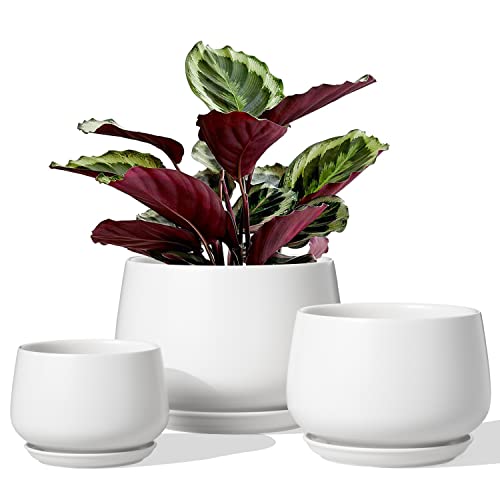
Use terracotta pots with large drainage holes. They wick away excess moisture and prevent soggy roots. We choose shallow pots for small plants and weighted ceramic for taller types.
Avoid plastic unless you’re extra cautious with watering—Snake Plants need airflow and dryness.

Read also: How to style low light indoor trees
Watering
How and When to water Snake plant?
Water when the soil is completely dry—usually every 2–3 weeks in warm months, and every 4–6 weeks in winter.
We check 2–3 inches down with a chopstick or finger before watering.
Water deeply until it drains, then let the pot dry fully before repeating. Avoid misting or keeping a saucer full.
what are the Signs of over or under watering Snake plant?
Overwatering: Mushy leaves, black base, or foul-smelling soil.
Underwatering: Wrinkled or curled leaves that feel limp.
We’ve had to rescue one with root rot by cutting healthy leaves and restarting propagation—it’s thriving again now.
Read also: How to water low light houseplants


pruning
When to prune Snake plant and why?
Pruning keeps the plant tidy and encourages new shoots from the base.
When to prune:
Spring or early summer
After leaves turn yellow or get damaged
To shape the plant or control height
how to prune Snake plant?
how to care after pruning Snake plant?
Allow cut surfaces to callous naturally
Avoid watering for 2–3 days after pruning
Watch for new growth from the base over the next few weeks
propagating
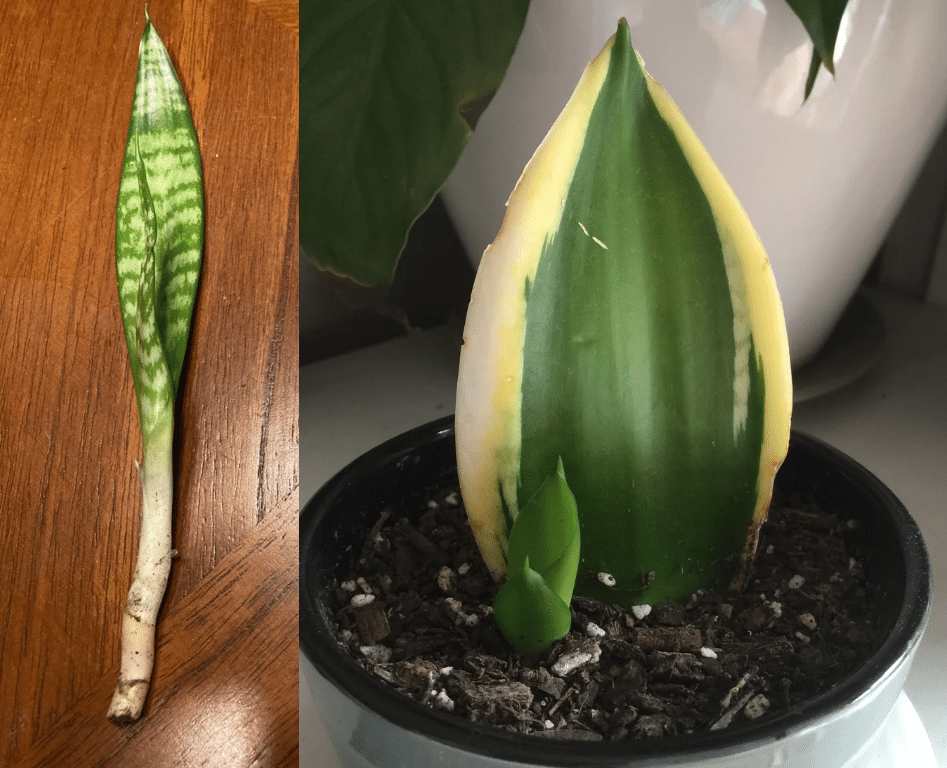
When to Propagate Snake plant?
The easiest method is leaf cuttings in soil, and it works well for beginners.
When to propagate:
Late spring or summer
After pruning healthy, mature leaves
how to Propagate Snake plant?
Cut a healthy leaf into 3–5 inch sections
Let them dry for 2–3 days to callous
Plant upright in dry cactus mix with the cut end down
Water lightly after one week
Keep in warm, bright indirect light
how to care after propagating Snake plant?
- Water sparingly—cuttings rot easily if kept wet
- Wait 6–8 weeks for roots to form before potting fully
Troubleshooting common issues
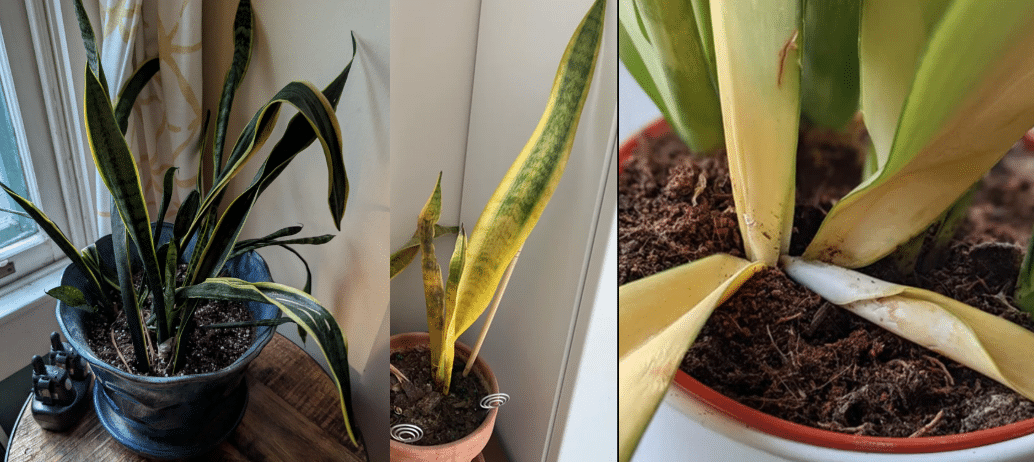
Why are the leaves of my Snake Plant drooping?
Drooping usually results from overwatering or poor drainage.
Let the soil dry completely and check for root rot before watering again.
Why are my Snake Plant leaves turning yellow?
This is often due to excess moisture or low temperatures.
Move it to a warmer spot and reduce watering frequency.
Why are the leaf tips brown?
Low humidity or salt buildup causes browning at the edges.
Flush the soil with water every few months and use filtered water when possible.
Why are my Snake Plant leaves wrinkling?
Underwatering or prolonged dryness can lead to wrinkled foliage.
Give the plant a thorough soak and monitor soil moisture more regularly.
Why is the base of my plant mushy?
Root or crown rot from overwatering is likely.
Trim off affected leaves, let roots dry, and repot in dry, fast-draining soil.
Why isn’t my Snake Plant growing?
Growth slows in low light or cold conditions.
Move it to a brighter, warmer spot and feed sparingly in spring.
Why do my Snake Plant’s leaves curl inward?
Dry soil, low humidity, or heat stress can cause curling.
Check moisture, improve airflow, and avoid placing it next to radiators.
Read also: Common problems with low light indoor trees
FAQ
Is the Snake Plant toxic to pets?
Yes, it contains saponins which are toxic if ingested.
Mild symptoms like vomiting or drooling are common in pets—place it out of reach.
What are the benefits of the Snake Plant?
Snake Plants purify air, tolerate low light, and require little maintenance.
They’re one of the best plants for improving indoor air quality while needing minimal care.
Can I keep it outside in summer?
Yes, in filtered light and temps above 60°F.
We bring ours out onto the shaded patio and return it indoors before the nights get cool.
How do I pot or repot it?
Use a wide terracotta pot with cactus mix.
Repot every 2–3 years or when roots crack the pot or circle tightly.
Can I grow Snake Plant from seed?
Yes, but it’s rare and slow indoors.
Leaf cuttings or division are far more effective for propagation.
Can snake plants survive in low light?
Yes, they tolerate low light well but grow faster in bright, indirect light. Avoid placing them in total darkness.
Do snake plants clean the air?
Yes, they’ve been shown to remove toxins like formaldehyde and Snake plants were shown to absorb toxins like formaldehyde and benzene in NASA’s 1989 sealed-chamber study, though real-world impact in a typical home is limited without many plants..
Can I grow a snake plant in water?
Yes, you can propagate or grow it in water, but it’s prone to rot without regular water changes.
What kind of soil is best for snake plants?
A cactus or succulent mix with perlite is ideal. Avoid heavy potting soil that retains moisture.
Can I cut the tall leaves of a snake plant?
Yes, cut at the base with clean shears. New growth will emerge from the rhizomes over time.
Should I mist a snake plant?
No, it doesn’t require misting and excess moisture can promote rot. It thrives in average humidity.
How long do snake plants live?
With proper care, they can live 10–25 years. Many are passed down between generations.
Do snake plants like to be rootbound?
Yes, they tolerate being rootbound but benefit from fresh soil every few years.
Can I grow snake plants outdoors?
In zones 9–11, yes. Keep them in filtered light and protect from frost.
Tips from trusted blogs online
- “I had a snake plant that was growing sideways, and I realized I had been rotating it too often. Once I stopped moving it around, it started growing upright again.” Source: Reddit
- “I thought my snake plant would thrive in my bathroom due to the humidity, but the lack of light caused it to become leggy and pale. Moving it to a brighter spot brought back its vibrant color.” Source: Reddit
- “After accidentally breaking the tip of one of the leaves, I noticed that particular leaf stopped growing entirely. Now I handle them more carefully.” Source: PlantSavvy
- “I left my snake plant unwatered for over two months during a vacation, and it not only survived but seemed to grow a new shoot. Truly a resilient plant!” Source: Southern Living
- “I used to water my snake plant weekly, thinking it needed consistent moisture. It started developing mushy leaves. Cutting back to monthly watering solved the problem.” Source: The Spruce