Boston Fern care guide
Boston ferns need humidity and the right soil to thrive. Learn watering schedules, why they shed, and how to fix the most common problems indoors.

We are an AD-FREE, community driven site. When you purchase through links, we may earn a commission, which helps sustain our blog!
Boston Fern care guide
Care at a glance
1. How to care for Boston Fern?
The Boston fern forms a lush, arching mound of feathery green fronds that spill beautifully from hanging baskets or pots.
- Watering: Water when the surface just begins to feel dry — don’t wait for the full top inch to dry out. Boston ferns should never fully dry.
- Light and temperature: Prefers bright, indirect light and high humidity; thrives in 60–75°F.
- Toxicity: Non-toxic to pets and humans; safe around cats and dogs (ASPCA).
- Soil and fertilizer: Use rich, loamy, peat-free mix with coco coir and compost; feed once in 4-6 in spring/summer.
- One common issue: Crispy fronds signal low humidity—mist daily or use a humidifier nearby.
- Propagation method: Divide root ball gently and replant in moist, fresh soil.
Our favorite soil and fertilizer for Boston fern

2. Care mistakes we have learnt to avoid with Boston fern plant
- Letting the soil dry out even once: Boston ferns crash fast when the root ball dries, and one missed watering can cause a week’s worth of frond drop. Their dense root mass holds moisture unevenly, so the center dries before the surface. We bottom-water weekly to keep the core consistently moist.
- Putting them in dim corners because “they’re forest plants”: Indoors, low light makes Boston ferns thin out, crisp, and shed from the inside out. They need bright, indirect light to stay full. We keep ours right beside an east window where the light is strong but gentle.
3. A real issue we have had with boston fern in our home
Our Boston fern kept shedding perfectly green fronds from the inside out, which surprised us because the plant looked hydrated. The real cause turned out to be how quickly the root ball dried in the center even when the surface felt moist. The plant was essentially drying out from the core first. Bottom-watering once a week fixed the issue almost immediately, and the shedding slowed within days.
Try our Best Indoor Plants tool for a personalized plant recommendation.
lineage and Symbolism
The Boston Fern (aka Nephrolepis exaltata), a member of the Nephrolepidaceae family, is known for its lush, arching fronds and old-school charm. Its finely divided green leaves cascade like a fountain — it is one of our favorite plants to hang by a bright window or perch on a pedestal in our home.
Boston Ferns can reach up to 2–3 feet wide and tall indoors with the right care, giving a dramatic, soft texture that pairs beautifully with mid-century or cottage-style rooms. They’re not just visual fluff—these ferns are humidity lovers and surprisingly good at filtering the air (Though, of course, don’t be fooled that one or two plants will ever compare to an actual air purifier)
A quirky fact: they were one of the first houseplants popularized during the Victorian era, when plant-filled parlors became a symbol of good taste and refinement.
Boston Ferns symbolize sincerity, humility, and peace. They’re best suited for Libras—balanced, nurturing, and drawn to beauty in nature.


$58
“Beautiful, lush plant that adds a lot of greenery to my home. Needs regular watering”
What we wish we knew before buying
Boston ferns are humidity hogs disguised as easy plants: Those lush, arching fronds you see in stores are grown in greenhouses with constant moisture and airflow—conditions our apartments can’t naturally mimic. Without that humidity, they crisp from the tips inward unless you’re very proactive. We wish we’d known that owning a Boston fern indoors means managing moisture around the plant, not just in the soil, or resigning yourself to a slightly wilder, less perfect look.
Boston Fern plant care infographic

📋 Use this infographic on your site — copy the code below:
Plant that pairs well with similar care needs

Light and placement and seasons
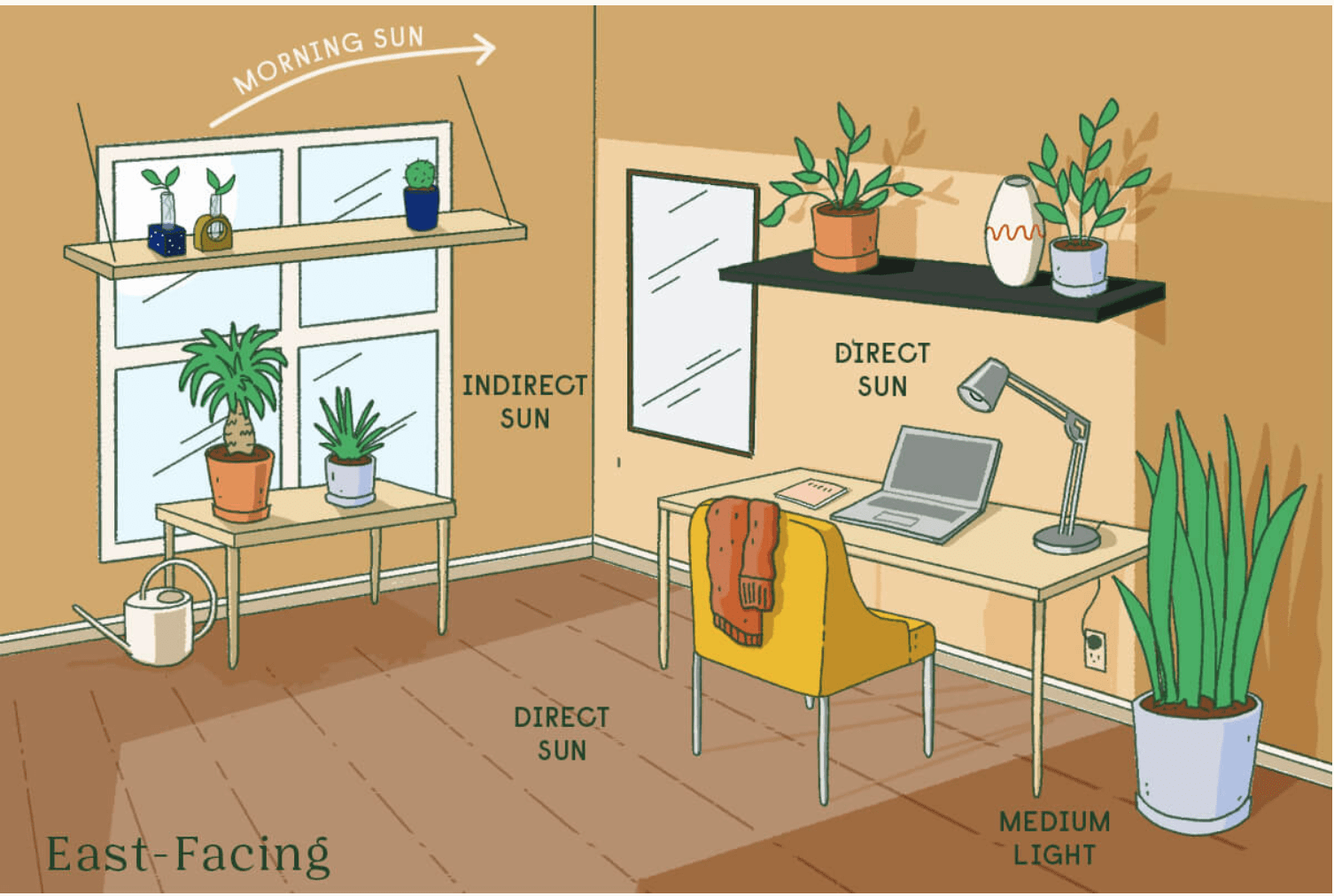
What is the light requirement for Boston Fern?
Boston Ferns prefer bright, indirect light. They can tolerate some morning sun, especially in winter, but direct afternoon light will scorch their delicate fronds. We had ours hanging a few feet from an east-facing window and rotate it occasionally to keep growth even.
According to thesill: “Boston Ferns like bright, indirect light, but too much sun will scorch their fronds.”
How to know if Boston Fern is not getting right amount of light?
Fronds becoming pale, sparse, or dropping entirely are signs of insufficient light. A dim hallway is not a place to keep this plant.
Too much light causes brown, crispy edges—especially in summer or south-facing spots without sheer curtains.
Where to place Boston Fern and where to avoid?
Place your fern near east- or north-facing windows with filtered light. We often hang ours from ceiling hooks or place it on bathroom shelves near frosted glass as this LOVES humidity.
Avoid areas with harsh afternoon sun or dry air, like near radiators or heat vents. In winter, a bright kitchen or humid laundry room can help make up for shorter days.
Read also: our guide to making trailing plants grow longer vines, and making them climb
How Boston fern plant behaves through the seasons?
Spring: Growth restarts quickly once humidity rises and light returns. We water more consistently because the root ball dries faster, and we add a diluted fertilizer every 4-6 weeks. We move the fern closer to our east window for bright, cool light. The only issue is older fronds yellowing as the plant redirects energy to new growth.
Summer: This is its happiest season—full, green, and thirsty. We water deeply and bottom-water weekly because heat dries the core fast, and we increase humidity by grouping plants. Bright indirect light keeps it dense, but direct sun scorches instantly. Brown tips appear if the air gets too dry, so we keep it away from south-facing heat.
Fall: Growth slows, and the plant starts shedding some interior fronds naturally. We reduce watering slightly because cooler nights keep the soil wetter. Light drops fast in Brooklyn, so we pull it closer to the window. Some crisping starts around this time if humidity drops, so we rotate it away from drafts.
Winter: This is the toughest season—growth almost stops, and the fern becomes extremely sensitive to dry radiator air. We water less often but keep the core from fully drying, sometimes bottom-watering every 10–12 days. Our brightest window keeps it from thinning out completely. Crisping and shedding are unavoidable, so we accept a rougher look until spring and prune lightly.
Soil
For a more detailed comparison and tips, read: Best soil and fertilizer for Boston Fern
What soil composition to use for Boston Fern?
Boston Ferns prefer rich, loamy, well-draining soil that stays evenly moist. We use 50% all-purpose potting mix, 30% coco coir, and 20% compost for moisture retention and nutrition without sogginess.
Avoid dense or compacted mixes—fronds decline quickly in poorly aerated soil..
Best soil to use for Boston Fern?

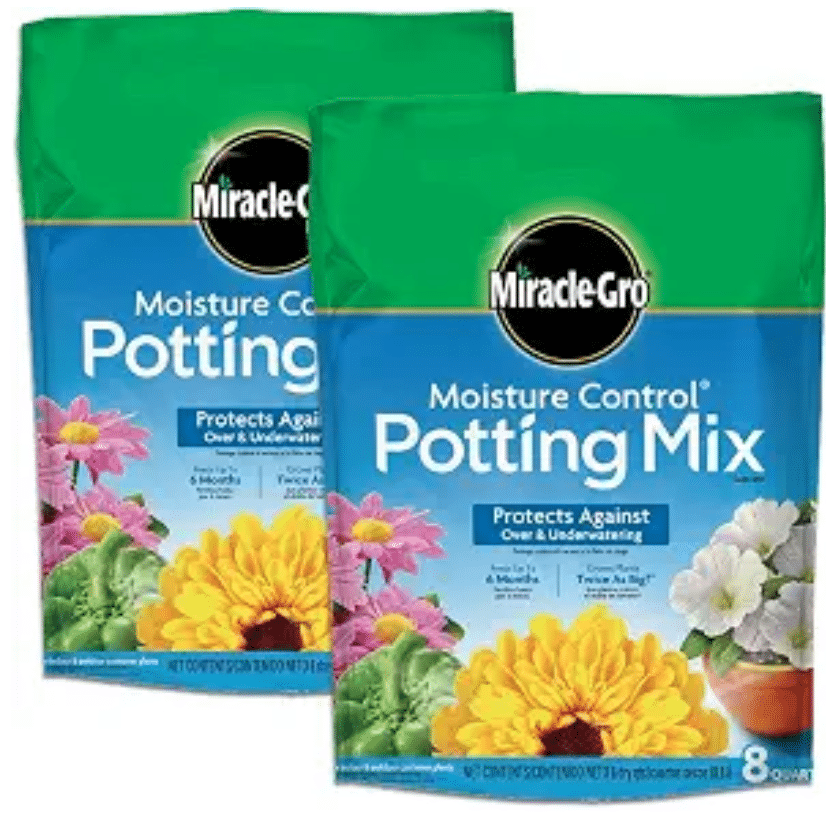
We repotted our Boston ferns into Miracle‑Gro moisture controle potting mix during spring, and within a week they perked up—fronds looked fuller, ends were less crispy, and overall the plants had a refreshed feel. That said, we noticed it can stay wet longer than expected, so we add extra perlite to speed up drainage.
Our go-to routine:
Amend the Miracle‑Gro mix with 1 part perlite (or orchid bark) to 2 parts soil.
Repot in spring or summer, when roots need room.
Water regularly, allowing the top inch to dry before watering again.
Temperature and Humidity
What is the best temperature condition for Boston Fern?
They thrive in 60–75°F and dislike sudden temperature swings.
Below 55°F, the fronds may brown or drop. We keep ours away from windowsills in winter and move it to the kitchen when the apartment gets drafty. Consistent warmth leads to steady frond growth.
What is the best humidity condition for Boston Ferns?
Boston Ferns love high humidity—ideally above 50%, and even better around 60–70%.
Ours lives in a grouped arrangement, and during dry spells, we have at times experimented with a pebble tray underneath. Especially if it is showing signs of browning or crisping during winter.
Signs of too little humidity include brown, crispy tips and rapid frond drop. Misting daily can help, but ambient humidity works better long term.


fertilizer
For a more detailed comparison and tips, read: Best soil and fertilizer for Boston Fern
What is the best fertilizer composition to use for Boston Ferns?
Use a balanced 10-10-10 liquid fertilizer diluted to half strength during active growth.
We prefer a gentle, organic fertilizer to avoid burning the delicate roots.
DIY Fertilizer Recipe
Steep 1 tablespoon compost in a liter of water overnight (compost tea), then strain and apply to soil. You can also add a few crushed eggshells for calcium. This mild blend supports consistent frond production without burning delicate roots.
How and when to fertilize Boston Ferns?
Apply a half-strength balanced liquid fertilizer every 4–6 weeks in spring and summer. Water the fern first, then fertilize to avoid salt buildup. Skip feeding in winter when growth naturally slows.
What are the signs Boston Fernsneeds food?
Faded leaf color, fewer new fronds, or stunted growth all signal a lack of nutrients.
After feeding ours in early spring, we usually see new green curls (croziers) forming within two weeks.
Best fertilizer to use for Boston Ferns?
We’ve been using Plant Magic Organic Fertilizer on our Boston ferns, and here’s what worked for us:
- We repotted the ferns in spring and started feeding with a monthly diluted dose. Within days, their fronds looked fuller and brighter—our ferns came back to life after looking limp and tired.
- The formula feels balanced and gentle—no soggy mess or yellow edges. We still add perlite to boost drainage, but even in mix-heavy pots, our ferns stayed vigorous and healthy.
- We skip feeding during fall and winter, relying on the mix’s slow-release nutrients. That split lets the ferns eat well during growth season and rest naturally afterward.
Pots and planters
What are the best pots to use for Boston Ferns?
We use hanging baskets or shallow ceramic pots with ample drainage. The roots like space to spread laterally, not downward. Plastic hanging pots are okay short-term but need close watering attention.
Repot every 2–3 years to refresh soil and reduce crowding.


Read also: Best hanging baskets, and best trellises for hanging plants. And our guide to styling trailing houseplants
Watering
How and When to water Boston Ferns?
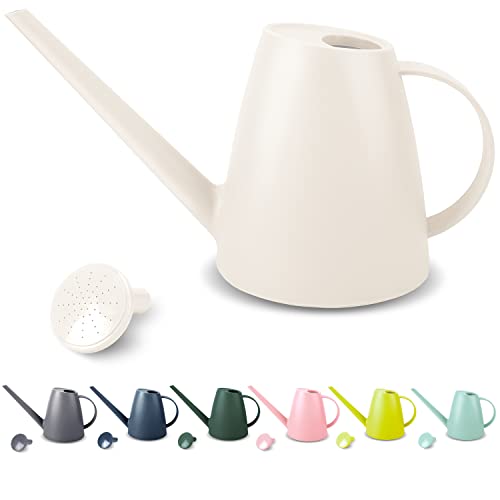
Water when the surface just begins to feel dry — don’t wait for the full top inch to dry out. Boston ferns should never fully dry. We water ours every 5 days – one week, in summer, and every 7–10 days in winter depending on humidity.
Bottom watering occasionally helps hydrate evenly. Never let the soil stay soggy.
what are the Signs of over or under watering Boston Ferns?
Overwatering: Wilting fronds, soggy soil, and a musty smell.
Underwatering: Crispy tips, dry leaf drop, and pale, brittle foliage.
We monitor ours by weight—if the pot feels light, it’s time to water. If it’s heavy and still moist, we hold off.

pruning
When to prune Boston Ferns and why?
Pruning keeps Boston Ferns full and tidy, especially after seasonal shedding.
When to prune:
Early spring before growth resumes
Anytime to remove yellow, brown, or tangled fronds
how to prune Boston Ferns?
Use sharp scissors or shears
Trim dead or damaged fronds at the base
Thin the center slightly to improve airflow
Cut back long runners to maintain shape
how to care after pruning Boston Ferns?
Water lightly and mist afterward
Avoid harsh sun or feeding for 3–5 days
New growth usually appears within 2–3 weeks
propagating
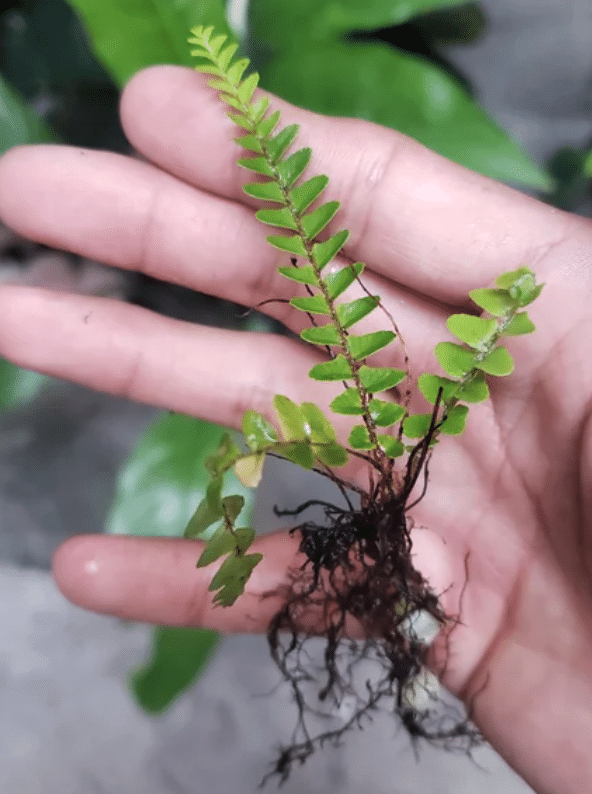
When to Propagate Boston Ferns?
The easiest way to propagate Boston Ferns is by division.
When to propagate:
In spring, just before or during repotting
When the rootball becomes crowded or rootbound
how to Propagate Boston Ferns?
Remove the plant from its pot and gently shake off excess soil
Look for natural clumps or “crowns” with healthy fronds and roots
Divide into 2–4 sections using your hands or a clean knife
Replant each section in fresh, moist potting mix
Water gently and keep in bright, humid conditions
how to care after propagating Boston Ferns?
- Mist regularly and avoid fertilizing for 3–4 weeks
- Keep away from strong sun or cold drafts until new growth appears
Troubleshooting common issues
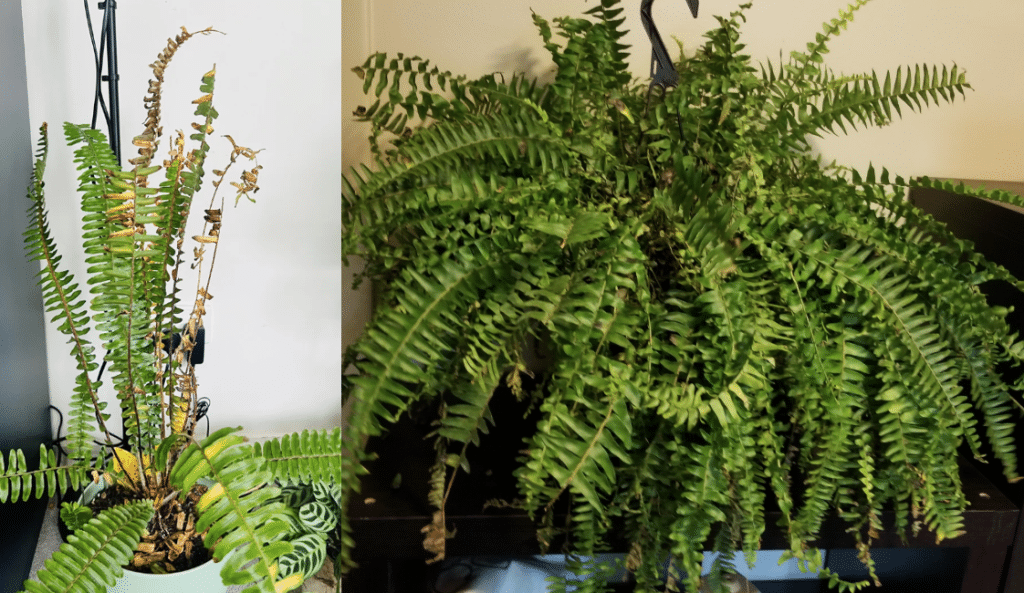
Why are the fronds of my Boston Fern turning brown?
Low humidity or inconsistent watering is the usual cause.
Raise humidity, water more evenly, and avoid dry air from heaters.
Why are the Boston fern fronds yellowing?
This often happens from overwatering or poor drainage.
Check the soil and adjust your watering rhythm based on moisture, not the calendar.
Why are leaves dropping suddenly?
Temperature shock or dry air can cause sudden drop.
Relocate to a more stable, humid space and trim damaged fronds.
Why is the fern looking thin or sparse?
Insufficient light or fertilizer can slow new frond development.
Why are new Boston fern stems thin or leggy?
This points to low light. Shift it closer to a bright window or supplement with a grow light. Move to brighter indirect light and feed monthly during spring/summer.
Why does my fern look crispy even though I water it?
Low humidity is likely the issue.
Add a pebble tray or use a humidifier to supplement ambient moisture.
Why is there mold on the soil surface?
Overwatering and poor air circulation lead to mold.
Let the soil dry slightly, increase airflow, and remove affected topsoil.
FAQ
Why is growth on my boston fern stunted or slow?
Cold temps, low humidity, or nutrient deficiency can all play a role.
Warm up the space, mist more often, and add diluted fertilizer monthly.
Is the Boston Fern toxic to pets?
No, Boston Ferns are non-toxic to cats and dogs, making them a great choice for pet-friendly homes.
What are the benefits of the Boston Fern?
They improve indoor air quality, raise humidity, and add soft, classic greenery to indoor spaces. They’re also safe for pets.
Can I grow a Boston Fern outside?
Yes, in USDA zones 9–11 or as a summer annual in cooler zones. They enjoy shaded patios and porches but must be brought in before frost.
Can I put my Boston Fern in the bathroom?
Absolutely. The humidity from showers makes bathrooms ideal—just make sure there’s a window or artificial grow light.
How often should I mist my Boston Fern?
Daily during dry periods. Misting helps prevent crisping but should be paired with overall humidity control.
Do Boston Ferns like to be rootbound?
Not really. They need space to grow and benefit from repotting every 2–3 years or when roots circle the pot.
Do they need pruning?
Yes. Regular pruning removes dead fronds and encourages new growth from the center.
How long does a Boston Fern live?
With good care, they can live for several years. We’ve had one for over five and it’s still full and thriving.
Can I revive a crispy fern?
Yes—cut back dead growth, increase humidity, and water more consistently. Most bounce back if roots are still healthy.
Do they drop leaves a lot?
They shed old fronds naturally, but excessive drop means stress. Check light, humidity, and watering habits.
Personal Quotes & Tips from Houseplants Nook (and Beyond!)
- “If you hang it inside, be prepared to constantly pick up the little dead leaves on the floor.” Source: Reddit
- “I had a Boston fern at my wedding a year ago and I had no idea how to take care of it and well, I managed to get it here a year later alive. I did split the plant in two and it is now doing well.” Source: Garden.org
- “I mist every morning, and I’m in dry desert air, so the humidity is general below 40% in my house. It’s near a west window, although never in direct sunlight. I never thought I could grow BF or asparagus ferns here, but I grow both.” Source: Houzz
- “I’m in south Texas and mine was doing very poor indoors near the windows but when I put them outside on the front porch they started to thrive. It’s been 105F here every day and it’s always very humid, like 60%+ humidity. I water them daily since it’s been so hot. THRIVING i tell you.” Source: Reddit
- “Ferns really like moist soil. I’ve had really good luck watering my ferns when the soil is moist enough to where it feels damp in the pot, but doesn’t feel wet on my finger.” Source: Reddit