ZZ plant(Zamioculcas zamiifolia)
We’ve grown ZZ plants in our Brooklyn home for years. Learn watering, light, winter care, and why it releases oxygen differently at night than most houseplants.

We are an AD-FREE, community driven site. When you purchase through links, we may earn a commission, which helps sustain our blog!
ZZ plant care guide
care at a glance
How to care for ZZ plant?
The ZZ plant features glossy, dark green oval leaves on upright stems and grows in a tidy, sculptural clump that suits low-light spaces.
- Watering: Allow the soil to fully dry out between thorough waterings to avoid rhizome rot.
- Light and temperature: Tolerates low to bright indirect light; grows best between 65–80°F.
- Toxicity: Moderately toxic to pets and people; can cause stomach upset or skin irritation (ASPCA).
- Soil and fertilizer: Use airy, peat-free mix with coco coir and perlite. Feed monthly in spring and summer with diluted houseplant fertilizer.
- One common issue: Yellowing leaves are usually from overwatering—let soil dry longer before watering.
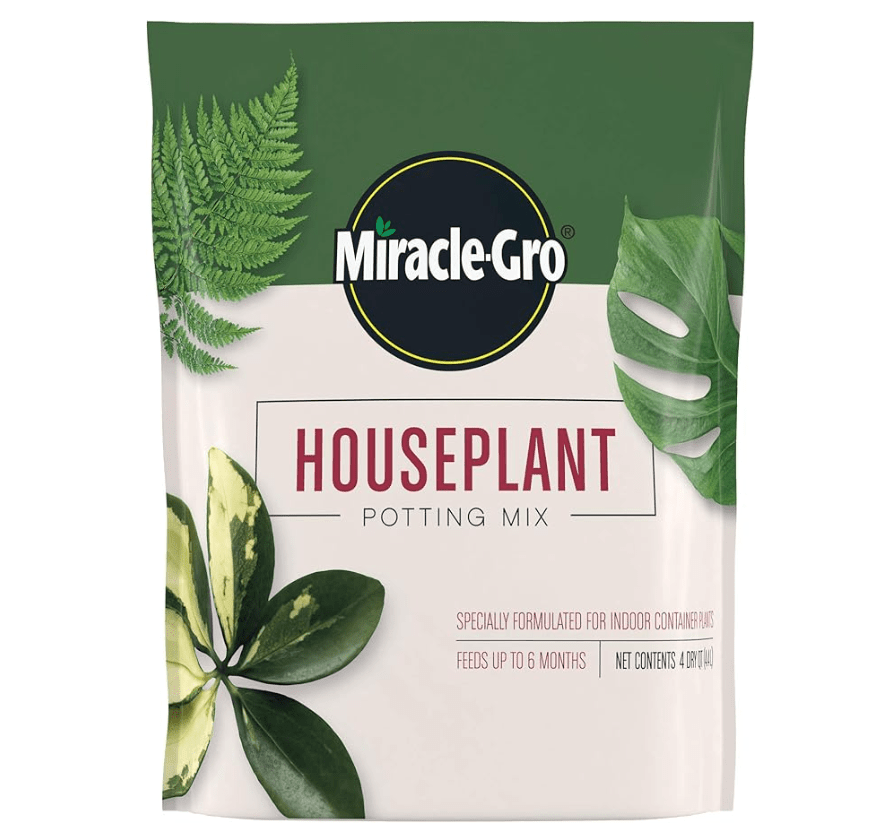
Our favorite soil and fertilizer for ZZ plant

2. Care mistakes we have learnt to avoid with zZ plant
- Watering it “just in case” because it looks dry: ZZ plants store water in thick rhizomes, so extra watering sits in the pot and rots those storage organs long before the leaves show damage. It’s one of the easiest plants to kill with kindness. We only water when the soil is fully dry and the pot feels feather-light.
- Keeping it in deep shade because “ZZ plants survive anything”: Yes, they survive low light, but indoors they turn leggy, pale, and slow when they don’t get enough brightness. The plant ends up stretching toward any sliver of sun. We keep ours a few feet from a north or east window so it stays upright and glossy without bleaching.
3. A real issue we have had with ZZ plant in our home
Our ZZ plant once started leaning so dramatically that we thought the stems were weak or damaged. What surprised us was that the real cause wasn’t pests or watering—it was the plant stretching toward the only bright window in the room. ZZs tolerate low light but quietly seek brighter light when they’re unhappy. Moving it closer to our east window stopped the leaning within weeks, and new growth came in straight.
lineage and Symbolism
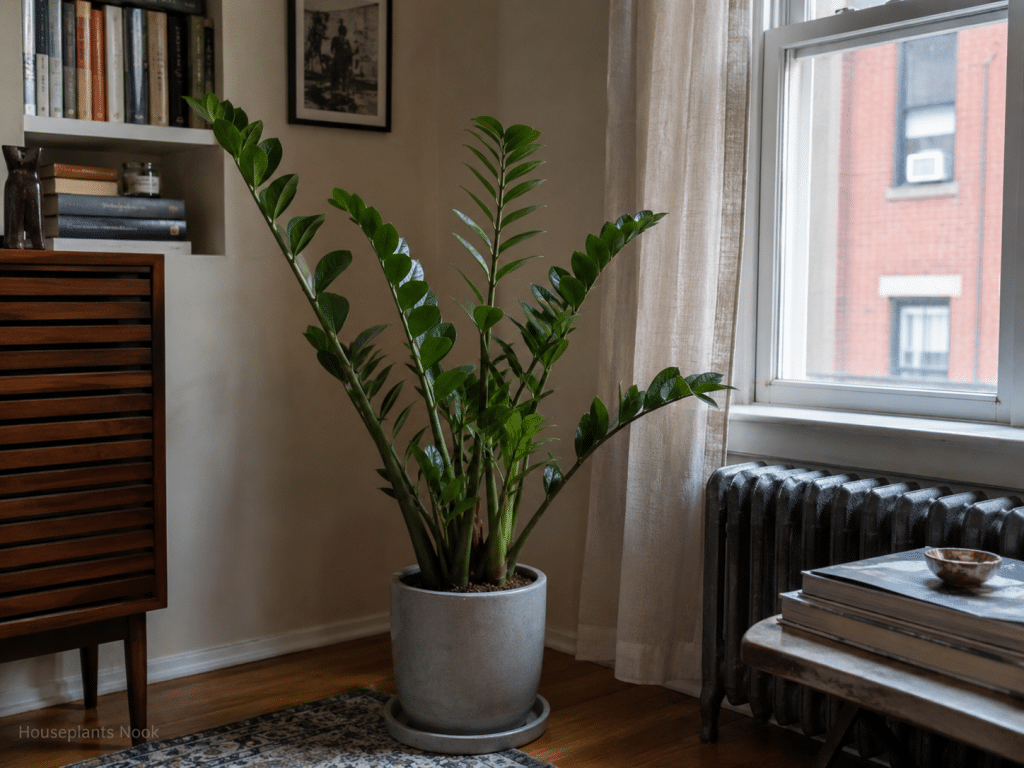
The green ZZ plant (aka Zamioculcas zamiifolia), from the Araceae family, is our go-to for those tricky, low-light corners (Almost always paired with the Snake plant!) With thick, upright stems lined with glossy, dark green leaflets, it brings structure and shine to any space. We’ve tucked it into windowless hallways, shady desks, even bookshelves—always with success.
This slow grower stays compact, usually topping out around 2 to 3 feet tall. But its underground rhizomes make it quietly resilient—storing water and nutrients like a built-in survival kit. People always ask if ours are fake because they look so pristine!
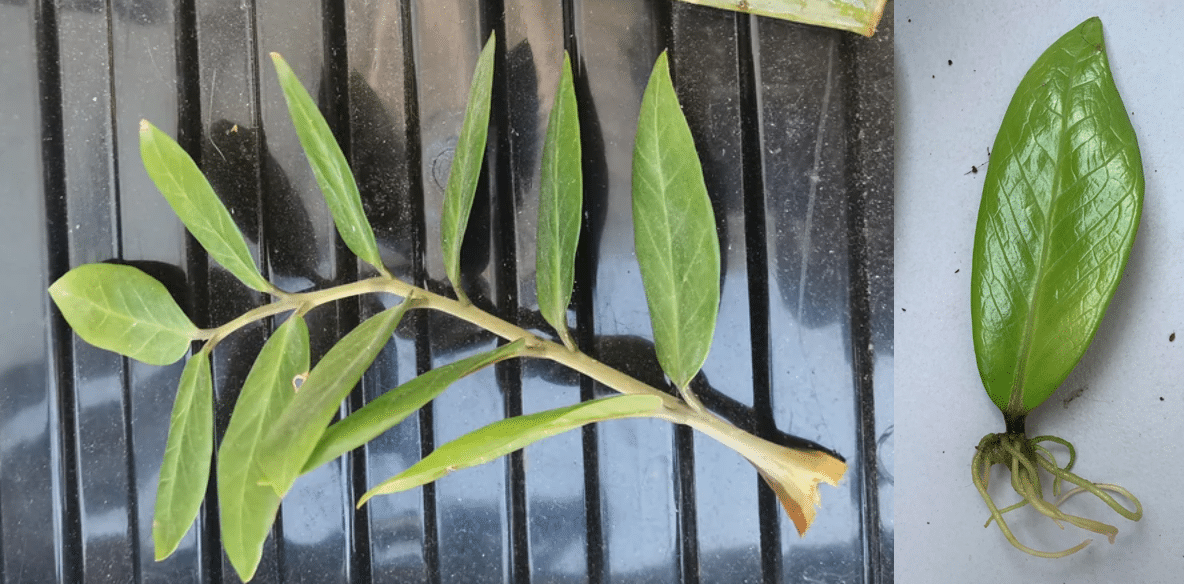
Fun fact: In one of our older pots, we once found a new stem sprouting from a leaf that was yellow and buried itself. This plant’s stubborn will to live is honestly admirable, and something for us to learn from 🙂
The green ZZ plant symbolizes endurance and quiet prosperity. It best suits Capricorns, who thrive on long-term growth and unwavering reliability.


$41
“ZZ is a favorite in your house.. it sits in our bedroom next to lamp. We haven’t killed it in 3 years!”
What we wish we knew before buying
ZZ plants grow slower than almost anything else we own—and that can feel unsettling: We expected steady new stems every few months, but indoors they sometimes sit still for a whole season, making us think something was wrong. The plant is actually fine; it just waits for perfect light and dryness before doing anything meaningful. We wish someone had told us that the real skill with ZZ plants is learning to enjoy long periods of silence before a single perfect new stalk appears.
ZZ plant care infographic

📋 Use this infographic on your site — copy the code below:
Plant that pairs well with similar care needs

Light and placement and seasons

What is the light requirement for ZZ plant?
The ZZ plant prefers bright, indirect light but can survive in medium to low light settings without complaint. We’ve grown it successfully near north-facing windows and even under fluorescent bulbs, and very dim hallways!
If you’re after faster growth or richer leaf color, place it near an east-facing window. But too much direct sunlight will scorch its leaves, so filtered light is key.
According to the TheSill: “ZZ plants prefer bright to moderate, indirect light but will do fine in extremely low light areas.”
How to know if ZZ plant is not getting right amount of light?
Leaves stretch out oddly and the stems lean toward the nearest source when its not getting enough sun. We’ve even seen pale or smaller leaves form as well.
Too much sun, on the other hand, brings brown, crispy spots or yellowing tips. In summer, one we placed too close to a west window started curling. We moved it back and it bounced back.
Where to place ZZ plant and where to avoid?
We place our ZZs near east- or north-facing windows, about 3-5 feet away. They also do well in corners of bright rooms or under grow lights.
We avoid hot south-facing windows unless filtered through sheer curtains (Reserve those spots for plants that need bright light). In winter, we pull them a bit closer to light. And we never leave them near drafty windows or heater vents—those mess with their rhythm.
How does zz plant behave through seasons
Spring: Growth finally wakes up after months of stillness, and new shoots start pushing up from the rhizomes. We water a bit more often because the soil dries faster and give a light fertilizer once a month. We move it slightly closer to our east window for brighter light. The only issue is leaning if we don’t rotate the pot every week.
Summer: This is the plant’s strongest season, and new stems grow quickly once they start. We water deeply but let the soil dry completely between waterings, sometimes for two weeks or more. Bright indirect light keeps the foliage glossy without burning. Heat can make the pot dry unpredictably fast, so we check soil rather than using a schedule.
Fall: Growth slows dramatically, and no new stems usually appear. We start spacing out watering because cooler nights hold moisture longer. Light drops fast in Brooklyn, so we pull the plant closer to the window to prevent stretching. Occasional yellow leaves appear as the plant sheds older growth, and we prune those out.
Winter: Growth stops almost entirely, and the plant becomes extremely sensitive to overwatering. We water very sparingly—sometimes only once every 4–6 weeks—judging by pot weight and soil dryness. We keep it in the brightest window we have without exposing it to cold drafts. The only winter issue is accidental overcare, so we mostly leave it alone.
Read also: our light chart and oxygen production chart for 50 popular houseplants
Soil
What soil composition to use for ZZ plant?

Use 50% all-purpose potting mix, 30% coarse sand, and 20% perlite. This gives quick drainage and prevents soggy roots. The ZZ’s rhizomes hate wet feet, so we skip peat entirely (in fact, we never use peat for anything for environmental concerns!) This mix keeps the pH around 6–7 and dries fast enough for our sparse watering routine.
Best soil to use for ZZ plant?
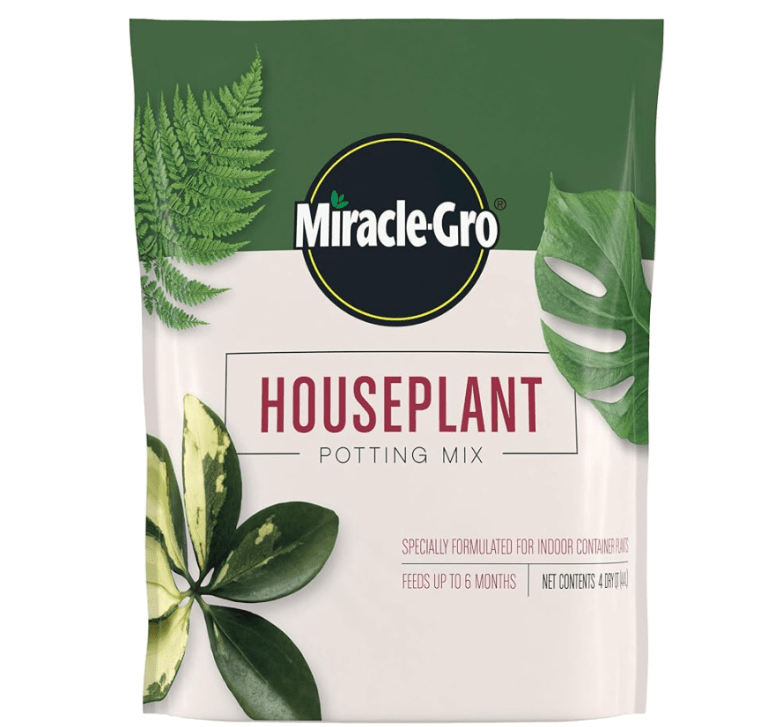
This all purpose mix works on most of our plants, and definitely recommend it for ZZ plant as well!
Temperature and Humidity
What is the best temperature condition for ZZ plant?
Our ZZs do best between 65–80°F. They start sulking if it dips below 50°F—we’ve seen leaves curl and stems droop in cold Brooklyn drafts.
In summer, avoid stifling corners over 90°F. And keep them away from air conditioners blowing cold, dry air directly on the foliage.
What is the best humidity condition for ZZ plant?
ZZ plants are fine with 30–50% humidity, like most NYC homes. We don’t fuss over humidity here, but we avoid placing them near radiators.
If you see dry leaf tips in winter, a pebble tray or light misting helps. But we’ve had ZZs thrive without any extra humidity support.


fertilizer
What is the best fertilizer composition to use for ZZ plant?

A diluted 10-10-10 liquid fertilizer once a month in spring and summer works best. The balanced formula suits its slow, steady growth. Though truthfully, you can skip a year for this plant and feed it the next.
Because it stores nutrients in rhizomes, heavy feeding isn’t necessary. Our DIY boost: mix 1 tsp of worm castings into the topsoil during the first spring watering. We use this recipe for a lot of plants — kind of like a community DIY activity 🙂
How and when to fertilize ZZ plant?
We fertilize once a month during the active season. Always on moist soil—never dry—so we don’t burn the roots.
We pour the diluted mix around the base, avoiding the leaves. In fall and winter, we skip feeding altogether while it rests.
What are the signs ZZ plant needs food?
When our ZZs need nutrients, the new growth comes in pale, thin, or undersized. Sometimes it stops pushing out new stems altogether.
We make sure the light and watering are right first. If they are, we add a gentle feed in early spring and track improvement.
REad also: 5 fastest growing indoor trees
Best fertilizer to use for ZZ plant?
We’ve tried Plant Magic Organic Fertilizer on our ZZ plants, and here’s what worked for us:
- After applying it once a month during spring and summer, we noticed the leaves perk up quickly—within a week the glossy green glow returned and the plants looked alive again.
- The formula is gentle but effective—our ZZs stayed robust and upright, with no signs of yellowing, stress, or root burn, even in small pots.
- When we wanted to encourage a bit more new growth or density, we occasionally switched to a balanced liquid fertilizer (like 10-10-10 or 3-1-2) for a short boost—then went back to Plant Magic for maintenance.
Our routine is simple: dilute and feed monthly in growing months, skip feeding in fall and winter. That rhythm has kept our ZZ Houseplants thriving with minimal care—just the way they like it! (and so do we)
Pots and planters
What are the best pots to use for ZZ plant?
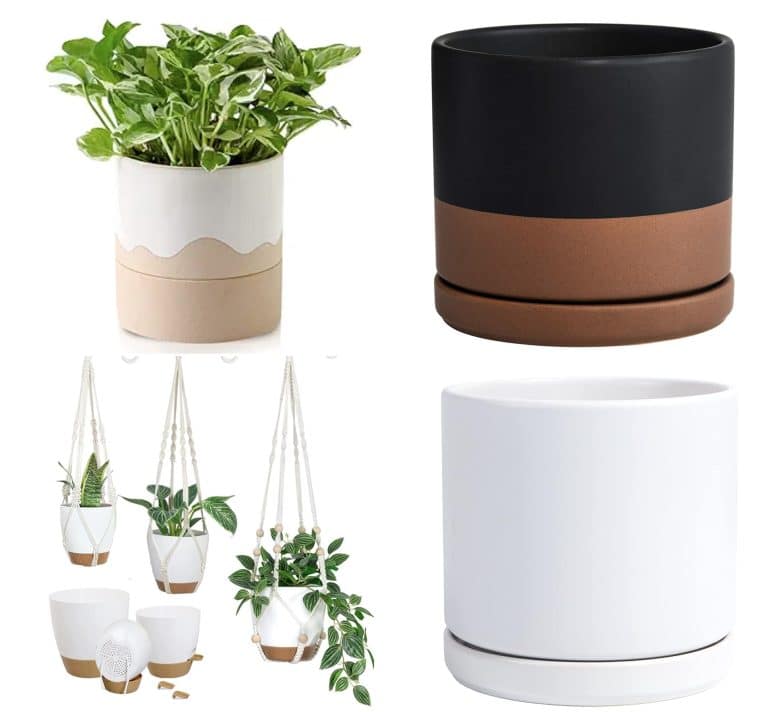
We prefer terracotta pots—they breathe well and keep root rot at bay. For young plants, we size snug, only upgrading when roots get crowded.
The pot must have drainage holes. We avoid self-watering planters or anything without airflow. Shape-wise, deeper pots support its upright stems better.

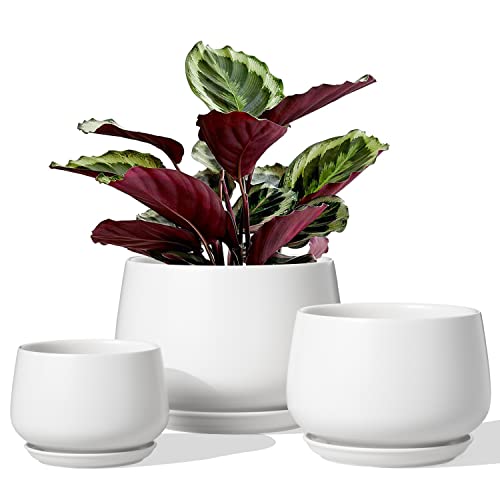
Read also: best pots for low light indoor trees
Watering
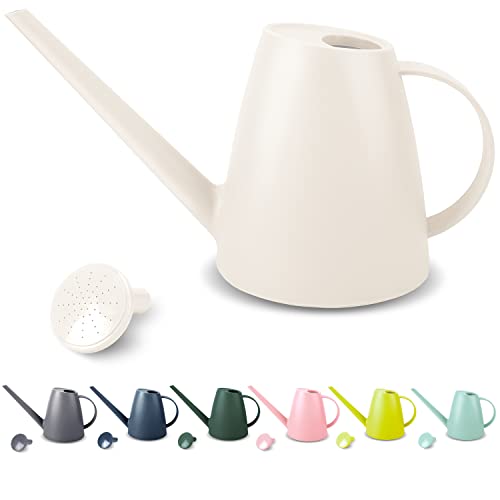
How and When to water ZZ plant?
We water every 2–3 weeks in warmer months and about every 4 weeks in winter. The top 2 inches of soil should be completely dry first.
To water, we pour until it drains out. Sometimes we bottom-water if the soil feels compacted. We always empty the saucer afterward.
what are the Signs of over or under watering ZZ plant?
Overwatering causes yellowing leaves, mushy stalks, and blackened rhizomes. We’ve seen one rot completely from weekly watering during spring.
Underwatering shows up as wrinkled stems and curling leaves. But it’s quick to bounce back after one deep soak—so we err on the dry side.
Read also: Guide to watering low light plants

pruning
When to prune ZZ plant and why?
We prune our ZZ plants to remove yellowing stems, manage shape, or clean up dead growth. Pruning isn’t frequent, but when it’s needed, it helps the plant redirect energy to new growth.
🛠When to prune:
Leaves are yellowing or dying at the base
A stem has collapsed or drooped completely
You notice older stems getting woody or sparse
how to prune ZZ plant?
Use sterilized scissors or pruning shears — wipe with rubbing alcohol before and after
Identify the stem you want to remove — trace it down to the base of the plant
Cut the stem cleanly at the base, just above the soil line
Trim brown tips on individual leaves with scissors, following the leaf shape to keep it neat
how to care after pruning ZZ plant?
Avoid watering immediately after pruning — give it a few days
Keep it in a stable spot with indirect light
Monitor for new growth in the weeks ahead
We find that light, seasonal pruning keeps our ZZ plants looking fresh without stressing them.
propagating
When to Propagate ZZ plant?
The easiest and most reliable way we propagate our ZZs is through division. It’s fast, low-risk, and gives you a full-sized new plant right away.
🌿 When to propagate:
You’re already repotting (best done in spring)
The pot is crowded with rhizomes
You want to multiply plants for gifts or other rooms
how to Propagate ZZ plant?
Water the ZZ a day before to make removal easier
Gently slide the plant out of the pot, holding at the base of the stems
Brush or shake off excess soil until the thick rhizomes (potato-like bulbs) are exposed
Identify natural clumps of rhizomes with their own stems and roots
Separate them by hand (or use a clean knife if needed), making sure each division has at least one healthy stem and root mass
Repot each section in a small terracotta pot with fresh well-draining soil
Water lightly and place in a warm spot with bright, indirect light
We always label the new pots with the date and keep them slightly drier for the first week. Every division we’ve done this way has bounced back strong.
how to care after propagating ZZ plant?
- Keep new divisions in a stable warm spot with indirect light and water sparingly for the first two weeks. No need to wait for rooting — divisions already have their own root system.”
Troubleshooting common issues
Why is my ZZ plant not growing?
The most common reason is low light. ZZ plants tolerate dim conditions but they don’t grow in them — in a genuinely dark spot, a ZZ will just sit there for months without pushing a single new shoot. Move it closer to a window and give it four to six weeks before expecting a response.
If the light is fine, check the season. ZZ plants go dormant in winter and simply don’t grow from roughly November through February no matter what you do — no amount of fertilizing or watering will change that. If growth has stalled outside of winter and light isn’t the issue, check whether the rhizomes have outgrown the pot; a rootbound ZZ has nowhere to expand and will stop growing until it’s repotted.
Why are the leaves of the ZZ plant drooping?
Underwatering or cold drafts usually cause this. Water deeply if soil is dry, and move away from chilly windows.
Why are my ZZ plant leaves turning yellow?
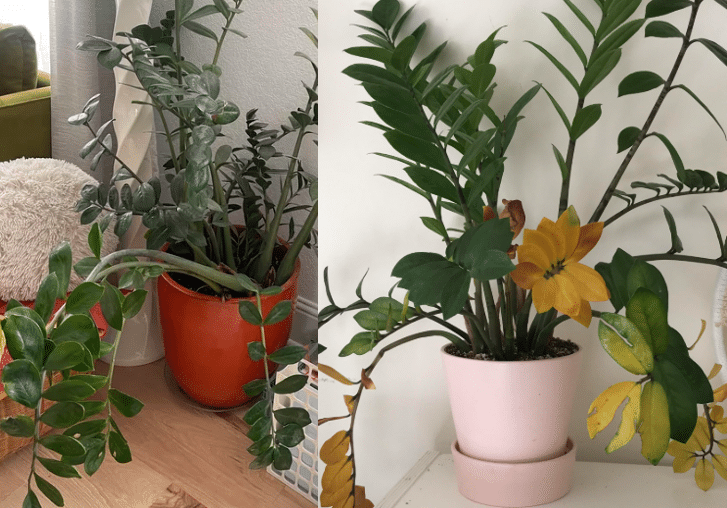
Overwatering is the cause the vast majority of the time. ZZ stores water in its rhizomes and needs to dry out significantly between waterings — keep the soil consistently damp and the roots will suffocate, rot, and show up as yellowing lower leaves. Pull the plant from its pot and check: healthy rhizomes are firm and pale, rotting ones are soft and brown.
If only one or two older leaves near the base are yellowing, that’s normal — ZZ sheds older growth periodically and a leaf or two a month isn’t a problem. If multiple leaves across the whole plant are going yellow at once, overwatering is almost always the answer, followed by insufficient light as a distant second.
Why are there brown tips on my ZZ?
Dry air or buildup from fertilizer can cause tip browning. Mist occasionally and flush the soil every few months.
Why are new ZZ stems thin or leggy?
This points to low light. Shift it closer to a bright window or supplement with a grow light.
Why are leaves dropping off my ZZ?
Cold shock, overwatering, or sudden moves can do this. Stabilize its location and avoid overwatering.
How do I care for a ZZ plant in winter?
Winter care is mostly about doing less. Cut watering back to every three to four weeks, stop fertilizing entirely, and don’t repot until spring. The plant is dormant and doesn’t need anything beyond being left alone in a stable spot away from cold drafts and blasting radiators.
Expect no new growth from roughly November through February and don’t read that as a problem — it’s just resting. In our Brooklyn apartment we basically ignore our ZZ from October onward and it comes back strong every March.
Read also: Keeping low light trees healthy indoors and common problems and solutions to low light indoor trees
FAQ
Is the ZZ plant toxic to pets?
Yes, it contains calcium oxalates that can irritate the mouth and stomach if ingested by cats or dogs.
What are the benefits of a ZZ plant?
It’s almost indestructible, tolerates low light and drought, and helps filter indoor air. Perfect for beginners.
Can ZZ plants survive in low light?
Yes, they thrive in low to medium light. They grow slowly but stay green even in shady corners.
How often should I water a ZZ plant in winter?
Every three to four weeks is a reasonable starting point, but always check the soil first rather than going by the calendar. In winter the combination of dormancy, lower light, and cooler temperatures means soil holds moisture much longer than it did in summer — what needed water every two weeks in July might not need it for four weeks in January. When in doubt, wait another week..
Do ZZ plants like to be rootbound?
They tolerate it well, but repotting every 2–3 years encourages growth and prevents root crowding.
How do I propagate a ZZ plant?
Divide the rhizomes during repotting or root stem cuttings in water or soil.
Can ZZ plants grow in water?
Yes, stem cuttings can root in water, though it takes several weeks. Change water regularly.
Can I cut the tall leaves of a ZZ plant?
Yes — trim damaged or yellowing leaflets at the base with clean scissors. The stem will continue growing normally.
Do ZZ plants bloom?
They rarely bloom indoors, but when they do, flowers are small and appear at the soil level.
Can I place a ZZ plant in the bathroom?
Yes, if it has moderate natural light. It tolerates humidity but still needs well-draining soil.
Is the ZZ plant safe to touch?
It’s safe to handle, but wash hands afterward. Sap may cause minor irritation in sensitive individuals.
Can I put my ZZ plant outside?
Yes, but only in warm months above 55°F and in full shade. We bring ours back in before fall chills arrive.
Does the ZZ plant flower indoors?
Rarely. If it does, it’s a pale spadix near the soil—not showy. We keep it for the leaves, not the blooms.
Does ZZ plant release oxygen at night?
Yes. ZZ plants use CAM photosynthesis, which means they open their pores at night instead of during the day. Most houseplants do the opposite. This makes the ZZ plant one of the few houseplants that actively processes CO2 and releases oxygen after dark — making it a better bedroom plant than most. The oxygen output won’t transform your air quality, but it won’t compete with you for oxygen while you sleep either.
Does ZZ plant use CAM photosynthesis?
Yes. CAM photosynthesis is a water-conservation adaptation that evolved in plants from hot, dry climates — ZZ is native to seasonally dry regions of Eastern Africa, so it makes sense. The trade-off is slower growth, since CAM is less efficient at processing CO2 than standard photosynthesis, which is part of why ZZ is such a notoriously slow grower.
Do ZZ plants like humidity?
ZZ plants are not humidity-sensitive. They evolved in dry environments and handle the low humidity of most heated apartments without any issues — no misting, no humidifier needed. Average indoor humidity of 40–50% is perfectly fine, and they’ll tolerate even drier conditions that would stress most other tropical houseplants.
Tips from trusted blogs online
- “I water mine once every 2 months or so. Occasionally I will give it a little fertilizer. It literally hasn’t grown or done anything since I’ve had it, but about 2 weeks ago I noticed it has 2 new growths sprouting up. I haven’t changed anything about its care, I guess it just decided to reward me for my neglect.” Source: Reddit
- “I water my ZZ about once every six weeks or so. Because it doesn’t get a lot of light, it doesn’t need to be watered as often.” Source: Greg App
- “ZZs are funny plants. Can do nothing for a year+ and then throw out a new shoot or two for no reason. That’s my experience anyway.” Source: Reddit
- “ZZ plants are very resilient but they don’t like a lot of light and they don’t like a lot of water.” Source: Greg App