Peperomia plant care guide
Discover watering, soil, fertilizing, pests, styling, and troubleshooting tips for Peperomia plant from our experience growing and caring for it in our Brooklyn home!

We are an AD-FREE, community driven site. When you purchase through links, we may earn a commission, which helps sustain our blog!
Peperomia plant care guide
care at a glance
How to care for Peperomia plant
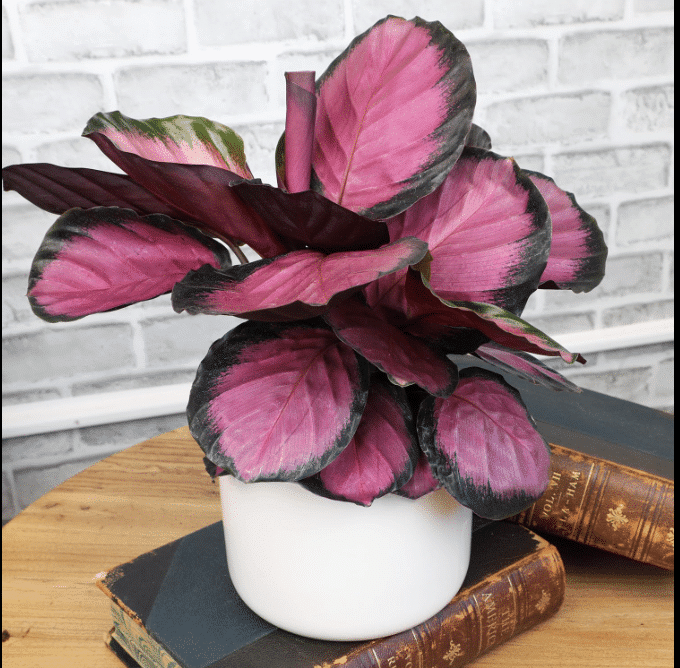
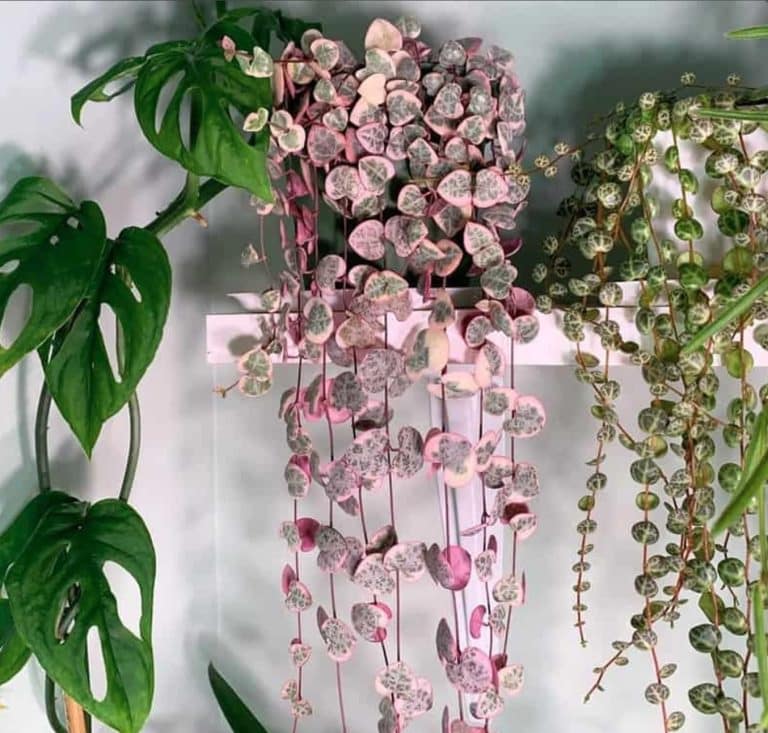
Peperomia plants are compact with thick, textured leaves in shades of green, silver, or red, growing in tidy mounds or gentle trails. These are some of the easiest plants to care for!
- Watering: Let the top inch of soil dry between waterings; avoid overwatering as roots are shallow.
- Light and temperature: Prefers medium to bright indirect light; thrives in 65–80°F.
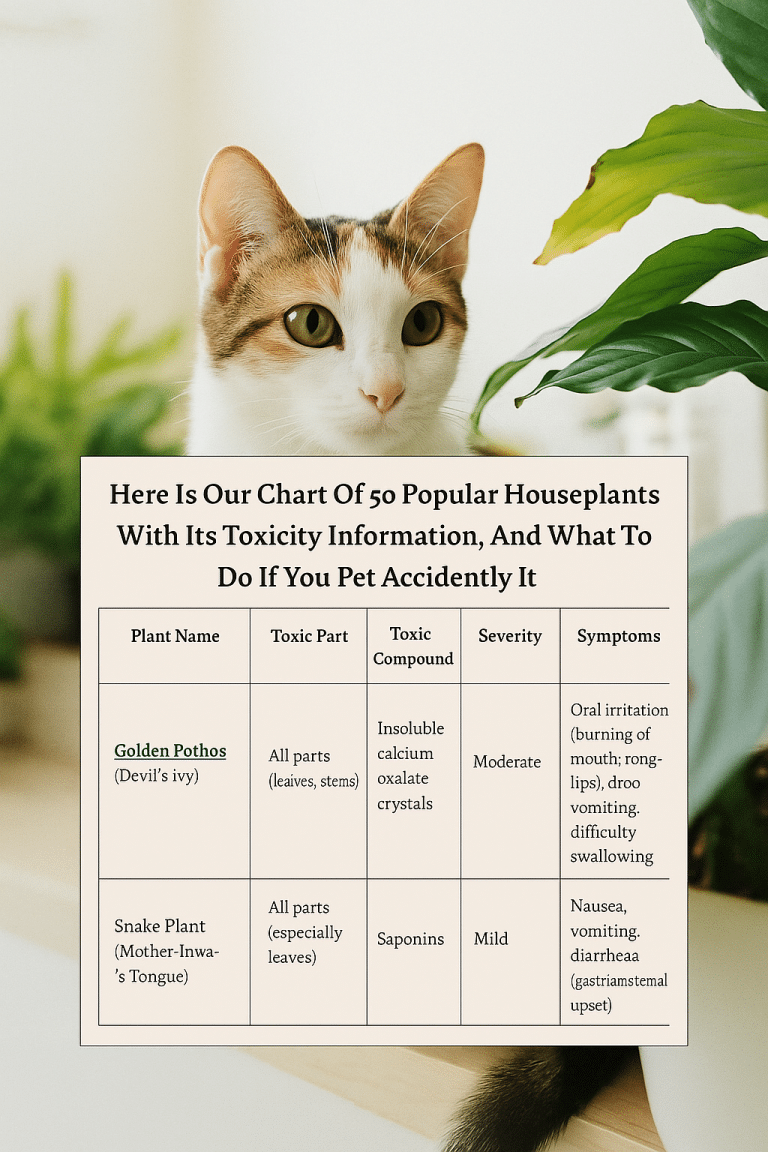
- Toxicity: Non-toxic to pets and humans; completely safe around cats and dogs (ASPCA).
- Soil and fertilizer: Use light, well-draining, peat-free mix with coco coir and perlite; feed monthly in spring and summer.
- One common issue: Droopy stems can result from too much water—cut back and improve drainage.
- Propagation method: Root leaf or stem cuttings in water or moist soil with indirect light.
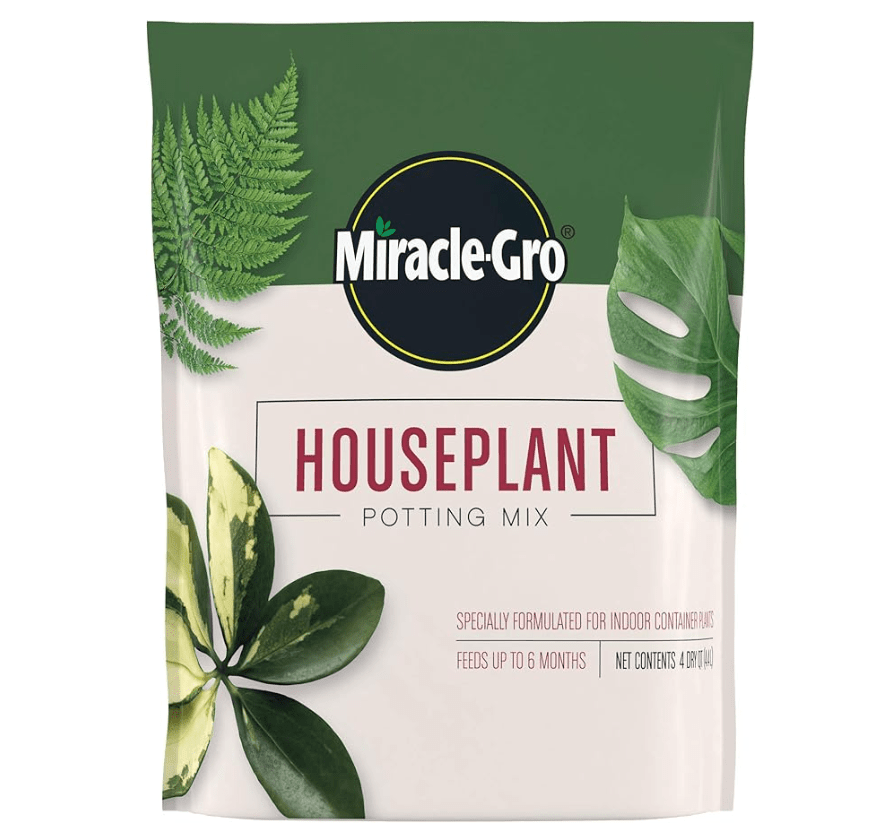
Our favorite soil and fertilizer for peperomia

2. Care mistakes we have learnt to avoid with Peperomia plant
- Watering it like a tropical moisture-lover: Peperomia roots are shallow and fleshy, and they rot quickly when soil stays wet for too long. We water lightly and let the top half of the mix dry before touching it again.
- Keeping it too far from bright, indirect light: Peperomias get leggy and lose their compact shape when they sit in dim rooms. We keep them close to an east window where the light is bright but still gentle enough for their soft leaves.
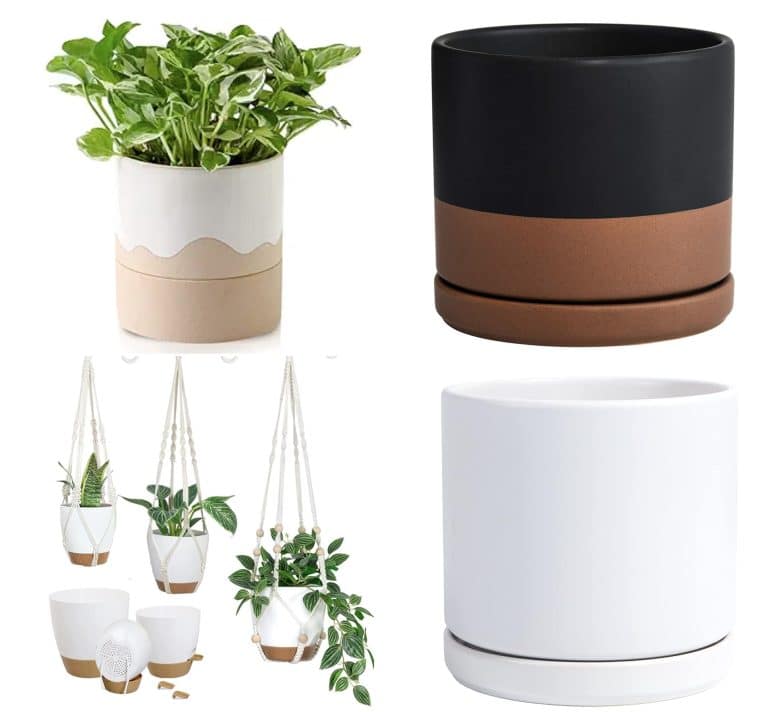
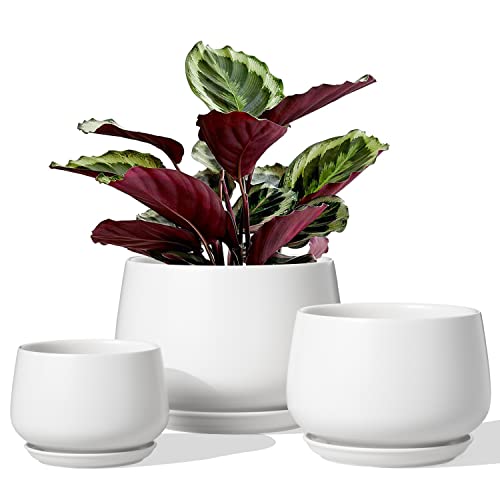
- Using deep pots or repotting too often: Peperomia’s roots don’t reach downward, so deep pots hold extra moisture they can’t use. We choose shallow, tight pots and repot only when we see roots lifting the plant upward.
- Ignoring how winter dryness slows growth: Radiators dry the air and the plant stops drinking, which makes overwatering easy. We water far less in winter and move our peperomias away from heat sources so the leaves don’t curl or drop.
3. A real issue we have had with Lipstick plant in our home
It kept dropping leaves from the bottom even though the soil looked perfectly moist. The real issue wasn’t underwatering—it was that the radiator nearby dried the leaves faster than the roots could keep up, so the plant shed to protect itself. We moved it farther from the heat and watered a bit less in winter, and the leaf drop stopped almost immediately.
lineage and Symbolism
The Peperomia (aka Peperomia obtusifolia, Peperomia argyreia, and others) from the Piperaceae family is a diverse group of small-statured houseplants with thick, ornamental leaves. Most varieties stay compact—typically 6 to 12 inches tall and wide.
In our Brooklyn community home, they live on bookshelves, windowsills, and tiny kitchen ledges where their quirky leaves brighten up overlooked corners. They’re forgiving, pet-friendly, and surprisingly adaptable! We have so many of them we have lost count 🙂
Peperomias symbolize balance, harmony, and steady, low-maintenance love. They align best with the zodiac sign Virgo—practical, patient, and nurturing.
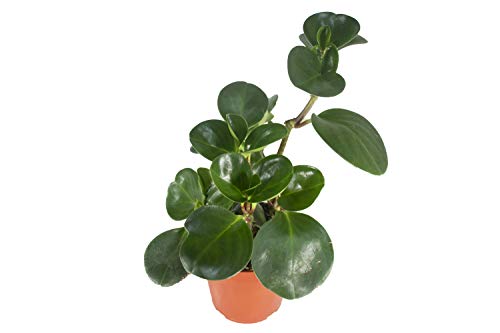

$43
“So easy to maintain. It likes to be neglected sometimes i don’t water for 3 weeks and its fine!”
What we wish we knew before buying
It looks sturdy, but it hates “normal” watering habits: Peperomias act like succulents in disguise, and they crash fast if you water them the same way you water leafy tropicals. We thought a light weekly watering would be fine, but the roots sat wet and leaves started dropping. Once we treated it more like a semi-succulent—lighter soil, shallower pots, and longer gaps between waterings—it finally behaved the way we expected.
Peperomia plant care infographic
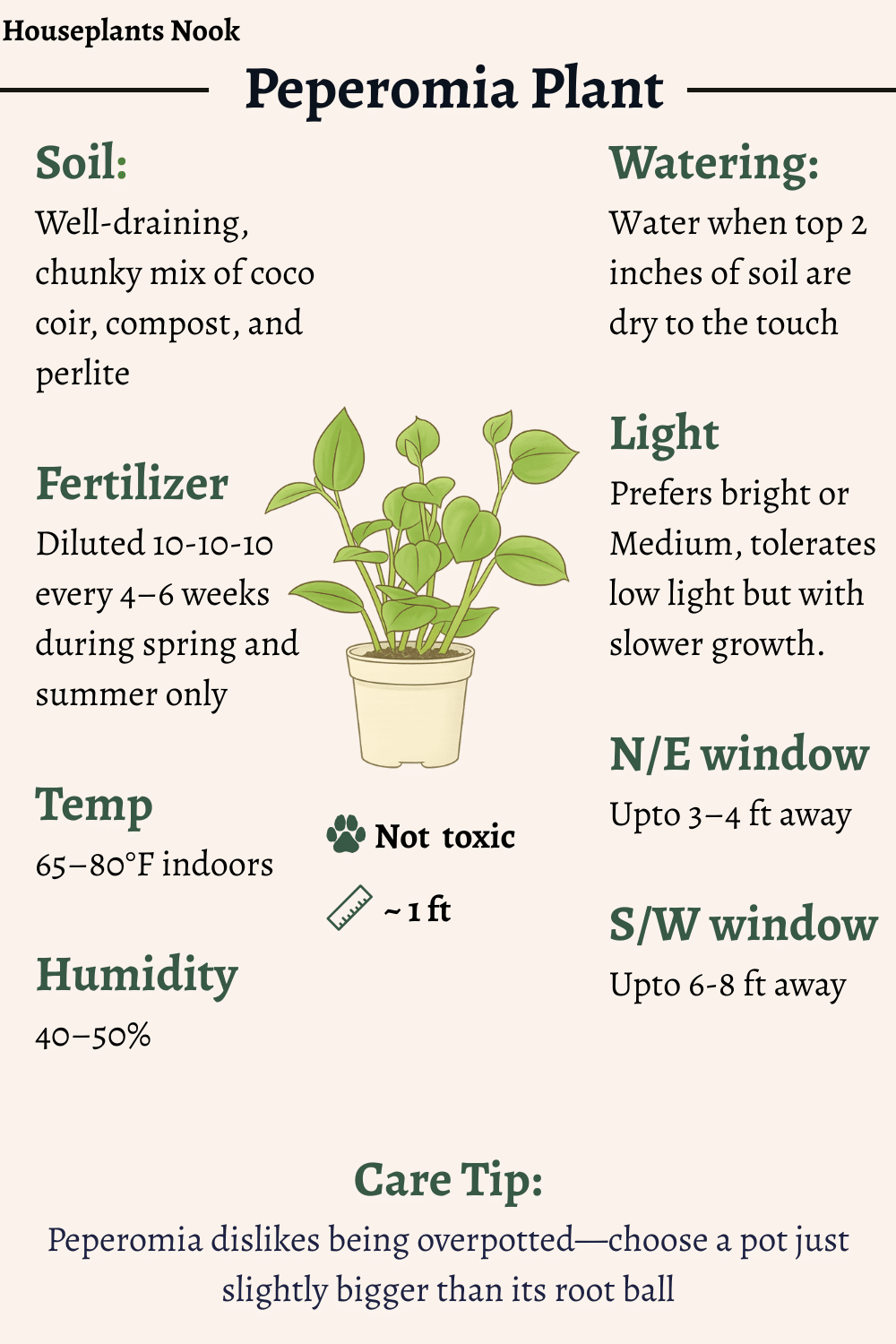
📋 Use this infographic on your site — copy the code below:
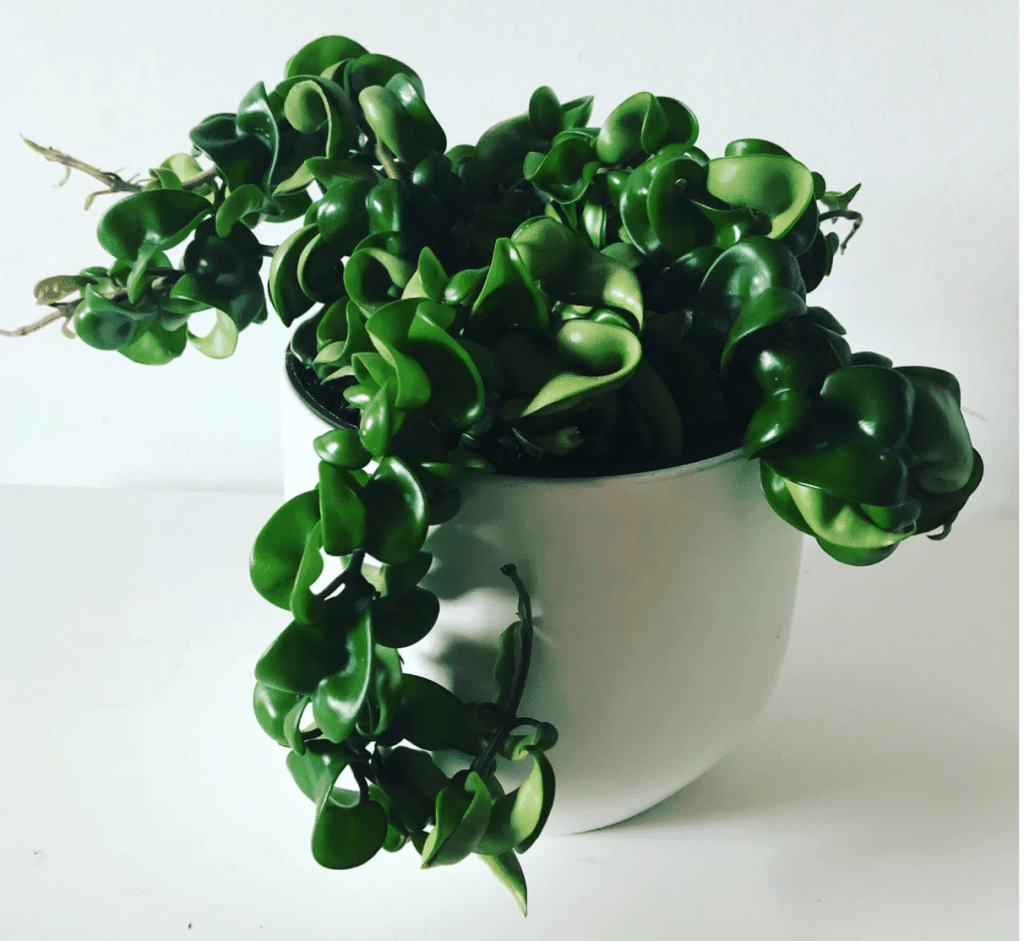
Plant that pairs well with similar care needs
Light placement and seasons

What is the light requirement for Peperomia plant?
Peperomias grow best in medium to bright indirect light. They can handle morning sun but don’t like harsh rays. Keep them about 2–4 feet from an east or north-facing window. You don’t have to give them really bright light to thrive, in our experience.
How to know if Peperomia plant is not getting right amount of light?
Stretched stems or pale leaves indicate not enough light. Burned or curled edges suggest too much sun. We watch for faded leaf color or if they lean to one side, as early signs to reposition.
Where to place Peperomia plant and where to avoid?
Place it 2–4 feet from a bright window, on a shelf, desk, or plant stand with stable airflow. Avoid placing near radiators, vents, or in low-light corners. Ours do well on windowsills that don’t get blasted by direct sun.
How Peperomia plant behaves through the seasons?
- Spring: Growth picks up and new leaves appear steadily, but not fast. We water a bit more often because the plant starts drinking again, and we keep it close to an east window for stable light. The only issue is rot if we assume “spring growth” means heavy watering, so we still let half the soil dry first.
- Summer: This is the plant’s steadiest season, with slow but healthy leaf production. We water more frequently because the shallow roots dry quickly in heat, but we use a light hand with fertilizer to avoid leaf burn. Bright rooms work well, but direct sun crisps the leaves, so we pull it back a little on harsh days.
- Fall: Growth slows sharply, and the plant becomes more sensitive to wet soil. We cut back watering and stop fertilizing as light drops. The biggest issue is lower leaves yellowing if the plant sits too far from a window, so we move it closer to catch the shorter daylight.
- Winter: Growth nearly stops, and peperomias drink very little. We water sparingly and keep them away from radiators because dry heat curls the leaves and makes them shed. We keep them right by an east window for whatever winter light we can get, and this small shift prevents most cold-season problems.
Soil
What soil composition to use for Peperomia plant?
TThey prefer a loose, chunky mix that drains well and resists compaction. We use:
- 1 part coconut coir
- 1 part perlite or pumice
- 1 part orchid bark or composted pine bark
This keeps roots lightly moist but not waterlogged.
Best soil to use for Peperomia plant?
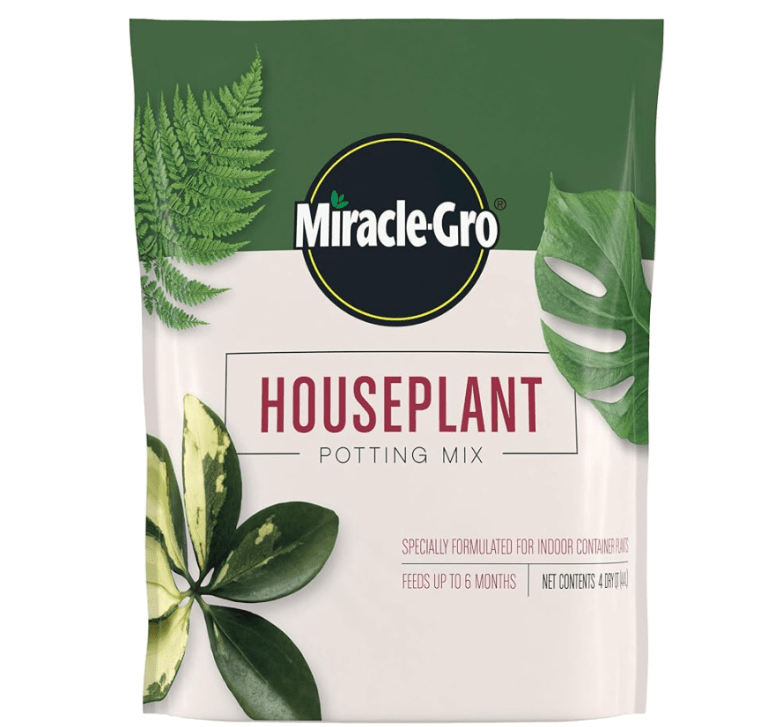
We recently potted our Peperomias in Miracle‑Gro Houseplant Potting Mix:
Perfect moisture balance: The peat- and coir-based mix retains enough water for these succulent-like greens, and with added perlite or sand, the soil stays light and drains quickly—no soggy root zones.
Airy yet stable: Roots are breathing easily, and the mix hasn’t compacted after months, which keeps leaf growth lush and stems firm.
Quick, easy, consistent results: After repotting, our leaves lifted, recovered color, and showed steady new growth—mirroring what we’ve observed in low-fuss, trimmed repotting care.
Temperature and Humidity
What is the best temperature condition for Peperomia plant?
Peperomias like 65–80°F. They dislike cold drafts and dips below 60°F. We keep them away from open windows and elevate them off cold surfaces in winter.
What is the best humidity condition for Peperomia plant?
They tolerate average indoor humidity (40–50%) but appreciate 50–60% during dry seasons. We occasionally mist ours or group them with other plants to raise the microclimate.


fertilizer
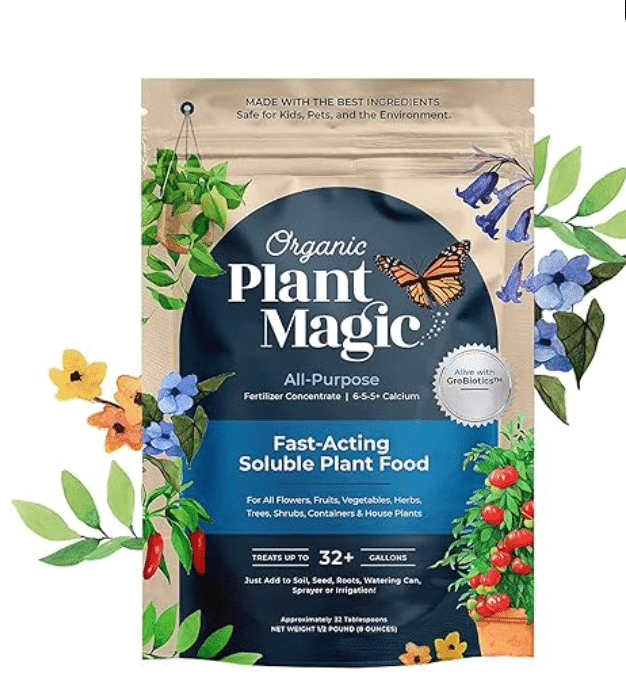
What is the best fertilizer composition to use for Peperomia plant?
Use a balanced, gentle fertilizer—something close to 10-10-10 or 3-1-2. We use a diluted all-purpose houseplant formula monthly during active growth.
How and when to fertilize Peperomia plant?
Fertilize monthly in spring and summer. We dilute to half strength and feed after watering. Skip feeding in fall and winter unless new growth appears.
DIY tip: Soak used green tea leaves in water overnight and use monthly as a light nitrogen boost.
What are the signs Peperomia plant needs food?
Slow growth, pale new leaves, or weak stems suggest it’s underfed. If growth stalls in spring, it’s time to resume fertilizing.
Best fertilizer to use for Peperomia plant?

Watering
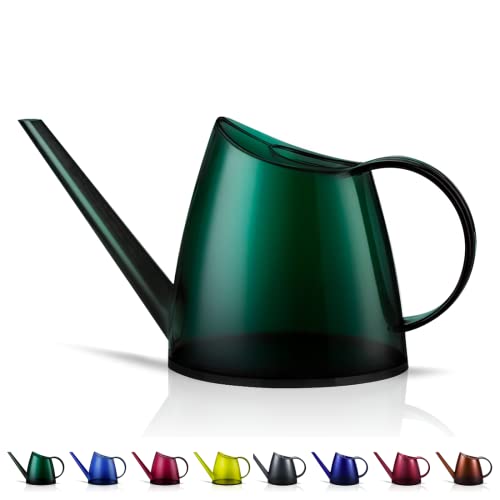
How and When to water Peperomia plant?
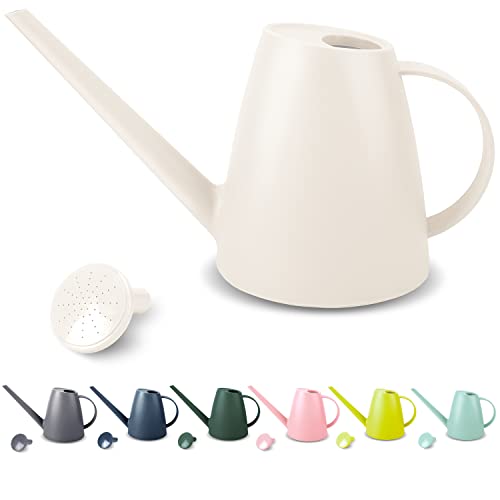
Water when the top inch of soil is dry. We check weekly and water deeply, letting excess drain. In winter, watering may stretch to every 2–3 weeks depending on warmth and light.
what are the Signs of over or under watering Peperomia plant?
Mushy stems or leaf drop usually point to overwatering. Wrinkled, limp leaves suggest underwatering. We always check below the surface to avoid guesswork.
pruning
how to prune Peperomia plant?
Prune to shape the plant and remove old or leggy stems.
- Use sterile scissors
- Pinch back stems to encourage fullness
- Remove faded or damaged leaves
- Clean stems of yellowing growth
After pruning, hold off on watering for a few days to let cuts callous.
propagating

How to propagate Peperomia plant
Leaf or stem cuttings both work well.
- Cut a healthy stem with 1–2 leaves
- Let it callous for a few hours
- Root in water or moist soil
- Keep in bright, indirect light
Roots develop in 3–5 weeks. Transplant when the cutting resists a gentle tug.
how to care after propagating Peperomia plant?
- Post-propagation care: Keep it in bright light but away from harsh afternoon sun. Water sparingly until you see new leaves. Once rooted, care is identical to the parent plant.
Troubleshooting common issues

Why are my peperomia’s leaves drooping?
It’s likely overwatered. Let soil dry fully before watering again.
Why are leaves dropping suddenly?
Could be cold shock or root rot. Check for soggy roots or drafts.
Why are my peperomia’s stems leggy?
Low light causes stretching. Move it closer to a window where it can get brighter light.
Why are the leaves wrinkling or curling?
Likely underwatered or too dry. Increase watering and humidity.
Why is my peperomia not growing?
Dormancy or lack of nutrients causes this. Resume feeding in spring.
Why are my peperomia’s leaves turning yellow?
Overwatering or poor drainage causes this. Repot in fresh, chunky soil.
Why are the leaf edges crispy?
Dry air or sunburn is likely culprit. Move away from direct sun and mist lightly.
FAQ
What are the benefits of the peperomia?
They’re compact, pet-safe, easy to propagate, and tolerant of indoor conditions.
Is the peperomia toxic to pets?
No—most common types are non-toxic to cats and dogs.
How fast does peperomia grow?
Slow to moderate, depending on light and temperature.
Do peperomias like being root-bound?
Yes, they prefer snug pots. Repot every 2–3 years.
Can peperomia live in low light?
They’ll survive, but stretch and fade. Bright indirect light is best.
Do I need to mist my peperomia?
Optional—helps in dry homes, especially in winter.
How long do peperomias live?
Many varieties can live 5–10 years or more with good care.
What pests affect peperomia?
Yes, if there’s bright light. They enjoy humidity.
Can I grow peperomia in the bathroom?
Watch for scale, mealybugs, and thrips. Neem oil and leaf wiping help.
How do I clean peperomia leaves?
Wipe gently with a damp cloth to remove dust.
Why is my peperomia floppy after repotting?
It’s adjusting. Keep light steady and don’t overwater.
Can I grow peperomia from a single leaf?
Yes, many varieties root from a leaf base with petiole.
How often should I repot peperomia?
Every 2–3 years, or if roots fill the pot.
Do peperomias flower indoors?
Yes, but their flower spikes are small and not showy.
Tips from Trusted blogs online
- “I wait until the leaves pass the ‘taco test’, aka until leaves are soft and foldable, especially for the thicker leaf varieties… even when the soil is completely bone dry.” Source: Reddit
- “Take a cutting and let it root in water first… then transfer to LECA. Every attempt at direct soil transfer ended in plant death.” Source: Reddit
- “My most successful way to propagate Peperomia… the sphagnum moss prop box! I’ve had a 100% success rate.” Source: Greg.app
- “After trial and error, my method is to use well-draining soil, the type for succulents, and put all of my peperomia in terracotta pots.” Source: Reddit
- “Bottom water because their roots are so shallow, they drown easily.” Source: Reddit