African Violet care guide
Discover watering, soil, fertilizing, pests, styling, and troubleshooting tips for African Violet from our experience growing and caring for it in our Brooklyn home!

We are an AD-FREE, community driven site. When you purchase through links, we may earn a commission, which helps sustain our blog!
African Violet care guide
care at a glance
How to care for African Violet
The African violet grows in a compact rosette of fuzzy green leaves with clusters of small, velvety purple, pink, or white flowers above the foliage.
- Watering: Keep soil evenly moist; water from the bottom or at the base to avoid leaf spotting.
- Light and temperature: Needs bright, indirect light; avoid direct sun; thrives in 65–75°F.
- Toxicity: Non-toxic to pets and humans; completely safe around cats and dogs (ASPCA).
- Soil and fertilizer: Use a light, well-aerated, peat-free mix with coco coir and perlite; feed every 2 weeks with diluted violet fertilizer.
- One common issue: No blooms often mean low light—move to a brighter spot and use bloom-boosting fertilizer.
- Propagation method: Root a single healthy leaf in moist soil or water until new plantlets form.
Our favorite soil and fertilizer for African Violet

2. Care mistakes we have learnt to avoid with African Violet plant
- Watering from above and wetting the fuzzy leaves: Their leaves trap water and develop spots or rot quickly when droplets sit on them. We bottom-water instead and pour off any extra after 20–30 minutes so the soil stays evenly moist without touching the foliage.
- Placing them too close to strong, direct light: African violets scorch easily, even in what looks like soft morning sun. We keep ours a few feet back from an east window where the light is bright but never harsh, which keeps the leaves smooth and the blooms steady.
- Using deep or oversized pots that stay wet at the base: Their roots are shallow and like small, snug pots, so deep containers hold moisture where they can’t reach it. We use squat pots and repot only when the plant clearly lifts itself upward from the crown.
- Letting winter drafts or radiator heat hit the plant: African violets stop blooming and curl their leaves when exposed to sudden temperature shifts. We move them away from windows and heaters in winter and keep the soil slightly drier so the crown doesn’t rot in cooler air.
3. A real issue we have had with African violet plant in our home
The leaves kept getting pale patches even though our watering and soil looked perfect. The real cause turned out to be tiny drafts from the old window frames—African violets react fast to even mild cold air. We moved them a little farther into the room, and the new leaves finally came in smooth and evenly colored.
lineage and Symbolism

The African Violet (aka Saintpaulia) from the Gesneriaceae family has a loyal fanbase for good reason. It’s one of the few houseplants that blooms year-round indoors if conditions are right.
We keep several in shallow pots near our east-facing kitchen window — their velvety leaves and purple flowers soften the space and they never really grow too big. These plants are low and lush, and while they’re fussy about water — they reward care with a consistent pop of color. We love the min kitchens, and even bedrooms.
African violets symbolize devotion, nurturing, and motherly affection—often gifted as tokens of quiet love.


$43
“The blooms keep coming in waves and stays for months!”
What we wish we knew before buying
Its fuzzy leaves make it far touchier with water than it looks: We didn’t realize how quickly African violet leaves get damaged from even a single splash, and how long that damage stays visible. The plant looked sturdy in the store, but at home one careless watering left permanent spotting on half the leaves. Once we switched to strict bottom-watering and kept the crown dry at all times, the plant finally behaved the way we imagined.
Plant that pairs well with similar care needs
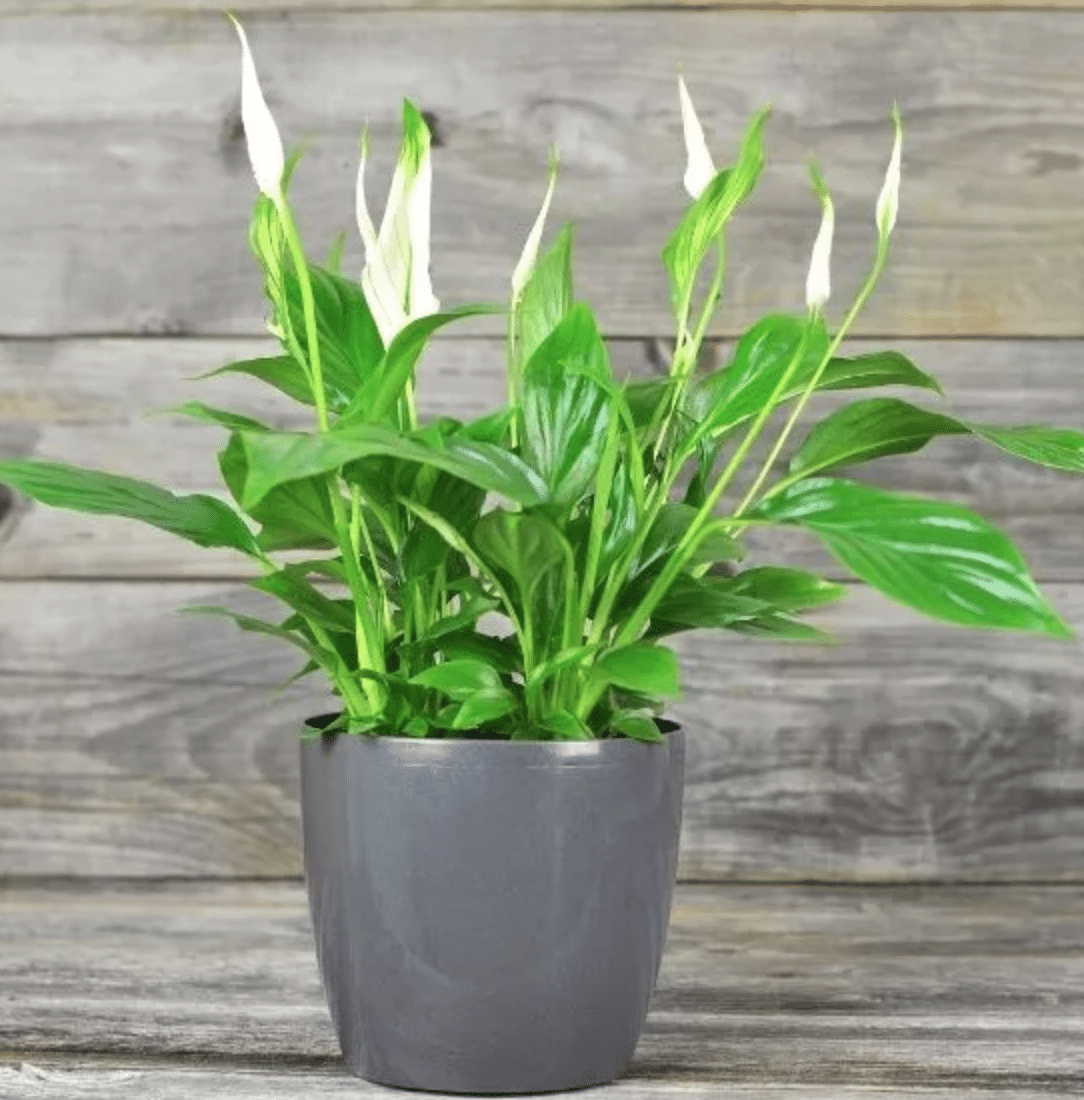
African Violet plant care infographic

📋 Use this infographic on your site — copy the code below:
Light and placement
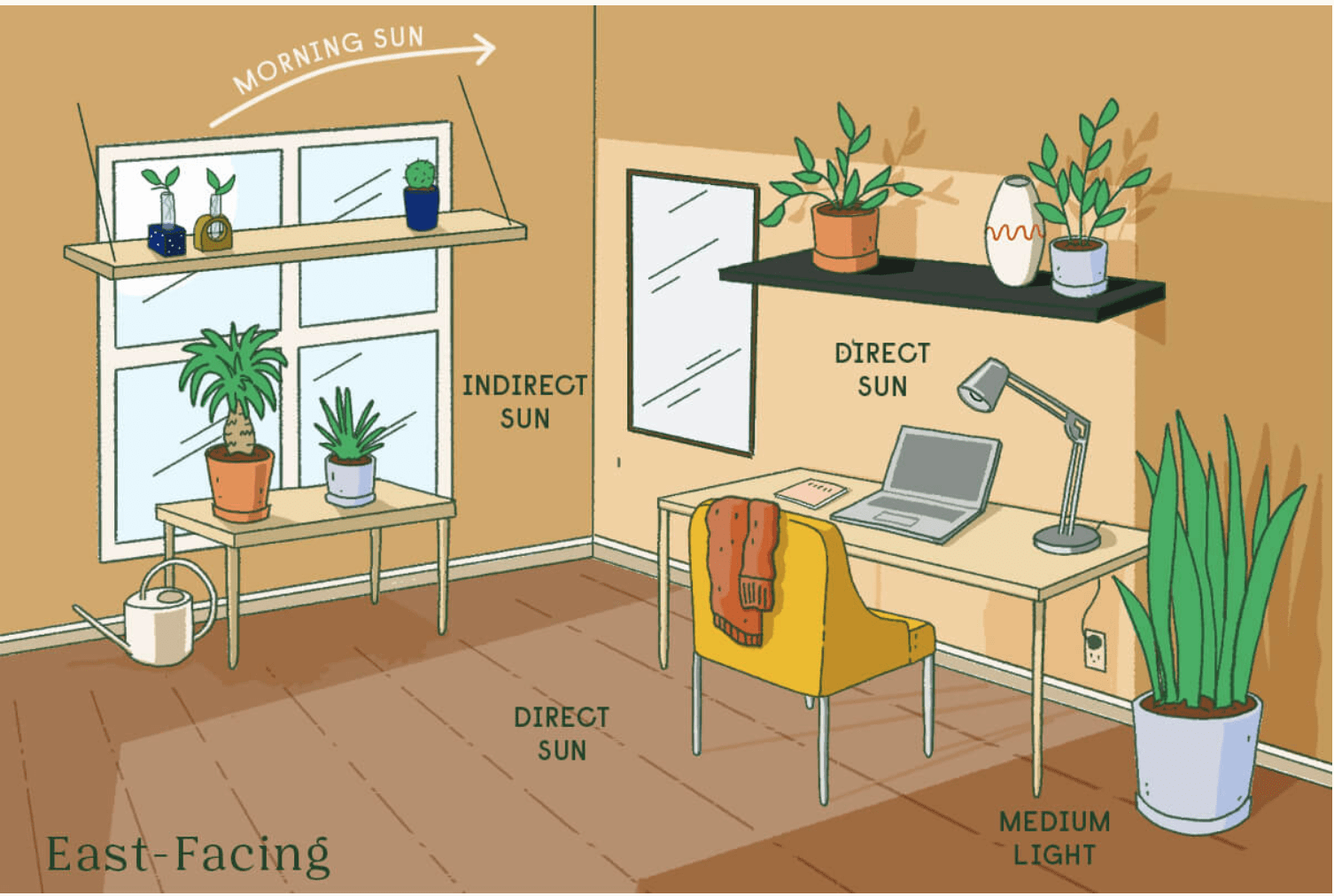
What is the light requirement for African Violet?
African violets need bright, indirect light but no direct sun. A north- or east-facing window with filtered morning light is perfect. If the light’s too strong, their leaves can bleach or curl. We grow ours on a shelf just off the windowsill on the north facing window in our kitchen.
How to know if African Violet is not getting right amount of light?
If it’s not blooming or the leaves stretch upward, it’s likely not getting enough light. Curling or bleached leaves mean the light’s too intense. We also notice a dullness in the leaves when ours need repositioning.
Where to place African Violet and where to avoid?
Place it close to an east or north window, or under a grow light. Avoid spots near drafty windows or doors. Keep it off cold windowsills in winter, and don’t place it under vents or fans—it prefers stable, quiet air.
Read also: How much light do flowering houseplants need
How African violet plant behaves through the seasons?
- Spring: Growth becomes steady again and the plant starts pushing new buds. We water a little more frequently and keep it close to an east window for stable light. The only issue is crown rot if we get too generous with watering during this “wake-up” phase.
- Summer: This is when the plant grows fastest and blooms most consistently. We bottom-water more often because the shallow soil dries quickly in heat, and we avoid direct sun that can scorch the fuzzy leaves. Warm nights can bring fungus gnats, so a lighter soil mix helps.
- Fall: Growth slows, and bloom production becomes irregular. We water less often and avoid feeding because lower light makes the plant drink slowly. The biggest problem is yellowing leaves when the plant sits too far from a window as daylight drops, so we move it closer.
- Winter: Growth nearly stalls, and African violets drink very little in cool rooms. We water sparingly and keep them away from radiator heat, which curls the leaves and dries them out. Cold drafts also cause patchy discoloration, so we pull the plant back from windows.
Soil
What soil composition to use for African Violet?
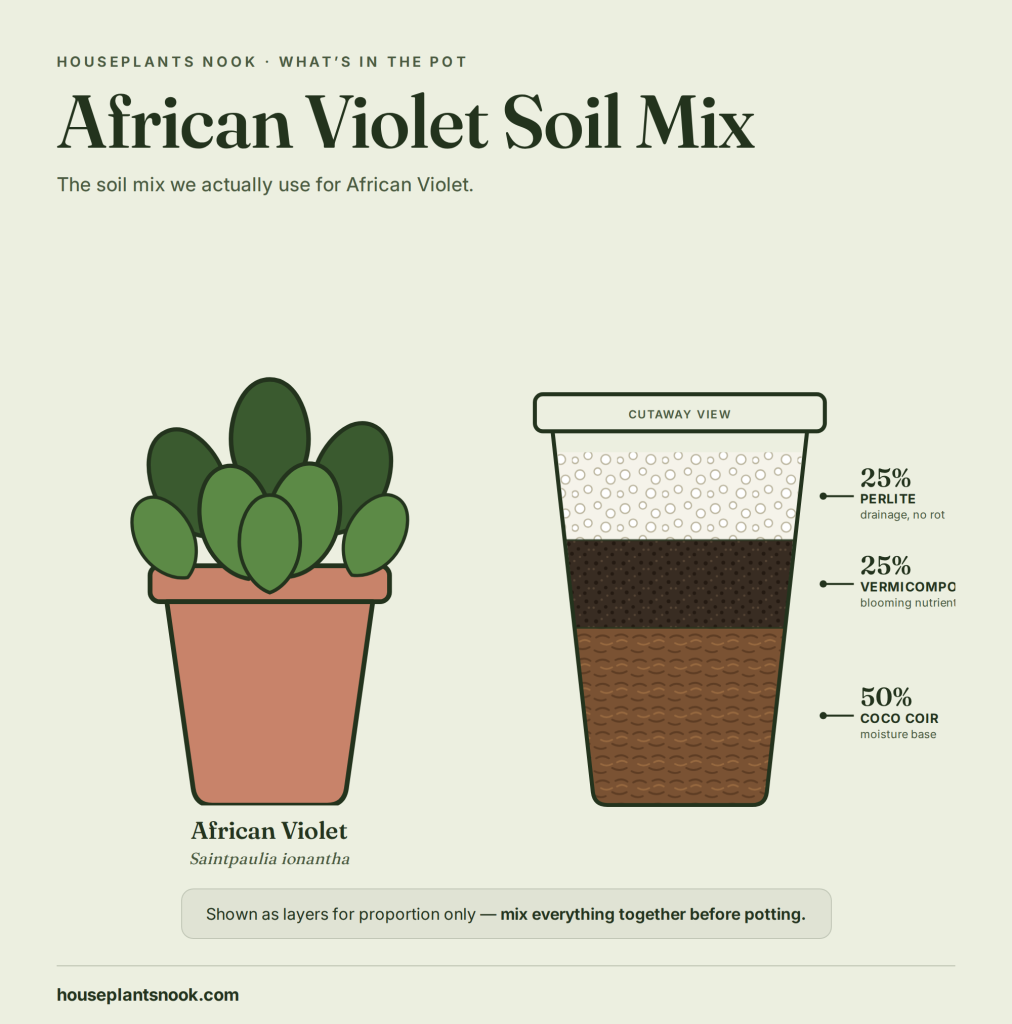
They need a loose, porous mix that retains moisture — but drains fast. We use:
- 2 parts coco coir or coconut husk
- 1 part perlite
- 1 part vermicompost or aged compost
This gives the roots air without drying them out 🙂
Best soil to use for African Violet?
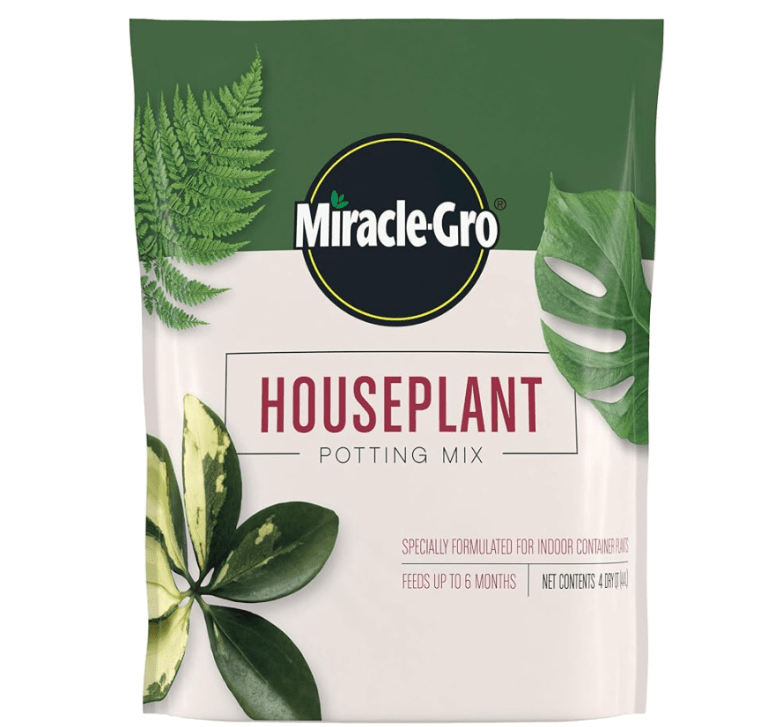
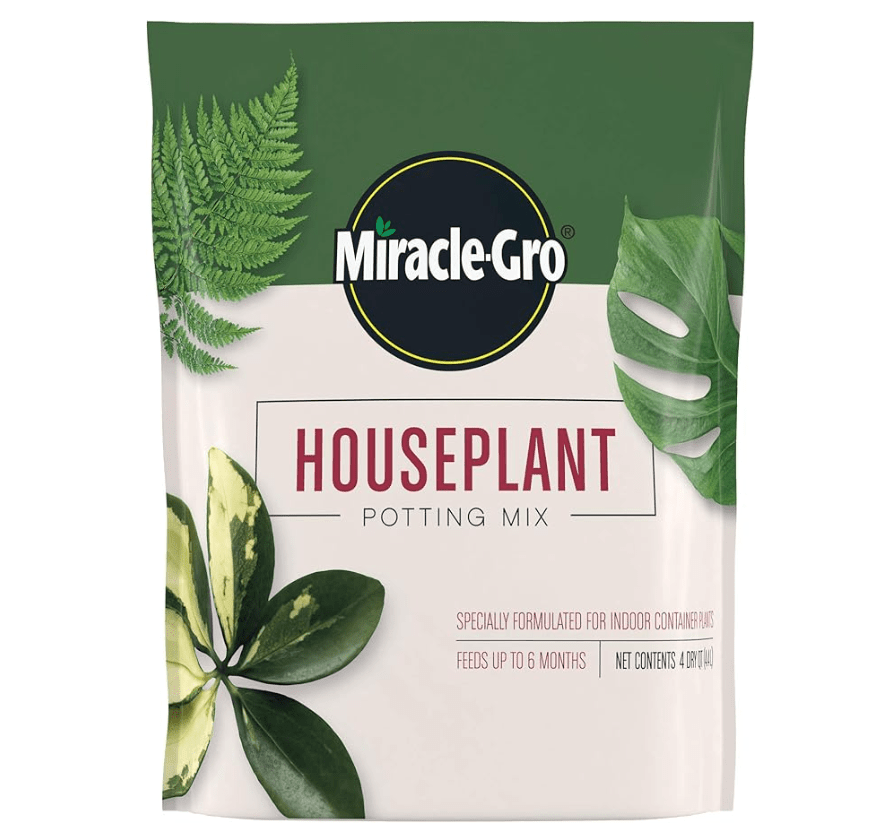
We’ve transitioned our African Violets into Miracle‑Gro African Violet Potting Mix, and here’s how it’s worked in real life:
Within a week of repotting, our violets perked up—leaves stood upright, color was richer, and flower buds emerged quickly.
The soil is light and porous, giving the roots plenty of air while holding just enough moisture.
Temperature and Humidity
What is the best temperature condition for African Violet?
They do best in temperatures between 65–75°F. Cold drafts or temps below 60°F will stall growth and cause yellowing. We keep them away from windows during colder months and shift them a foot or two inward.
What is the best humidity condition for African Violet?
They prefer 50–60% humidity. Too little, and the leaf edges turn dry or crispy. We group ours together, run a small humidifier nearby, and occasionally use a humidity tray to keep moisture around the leaves without wetting them directly.


fertilizer
What is the best fertilizer composition to use for African Violet?

Look for a bloom-focused fertilizer with more phosphorus, like 7-9-5 or 12-36-14. Avoid heavy nitrogen blends—they’ll give you leaves, not flowers. We prefer a liquid African violet formula or diluted orchid food.
How and when to fertilize African Violet?
Feed every 2 weeks during spring through fall, and once a month in winter if it’s actively growing. Always fertilize on moist soil. We bottom-water with a diluted liquid feed, or use a wick system for even distribution.
DIY tip: Steep used banana peels in water for 2 days, then use that potassium-rich liquid as a natural flower booster once a month.
What are the signs African Violet needs food?
Lack of blooms, pale or yellowing new leaves, or slower growth often signal a nutrient deficiency. When ours bloom less or look dull, a phosphorus-rich feed usually perks them up within two weeks.
Read also: Why are my flowering houseplants not blooming, and why are they losing their buds
Best fertilizer to use for African Violet?

We’ve been using Plant Magic Organic Fertilizer for our African Violets, and here’s how it performed for us:
- Consistent blooming and lush foliage: After monthly applications during spring and summer, our violets produced more flower clusters and held blooms longer—translating into compact, healthy plants that seemed revitalized.
- Leaves gained vibrant color and strength: We noticed fuller, deeper green foliage within just a few weeks, with new leaf growth that felt noticeably firmer—a clear sign the formula supports robust plant health.
- Gentle routine that’s hard to overdo: We apply a diluted dose monthly with our watering, and it never burns or damages the plants. When they’re blooming well, we keep this as our core routine; if we repot or soil feels spent, we top-dress with a half-strength balanced feed.
Pots and planters
What are the best pots to use for African Violet?
Shallow, wide pots with drainage holes are ideal. African violets like being slightly root-bound, so don’t size up too quickly. We love self-watering ceramic pots with wicking cords—they keep the roots evenly moist without wetting the leaves.


Read also: How to style flowering houseplants
Watering
How and When to water African Violet?
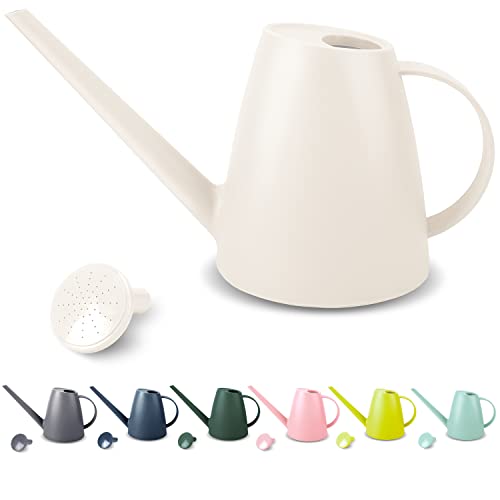
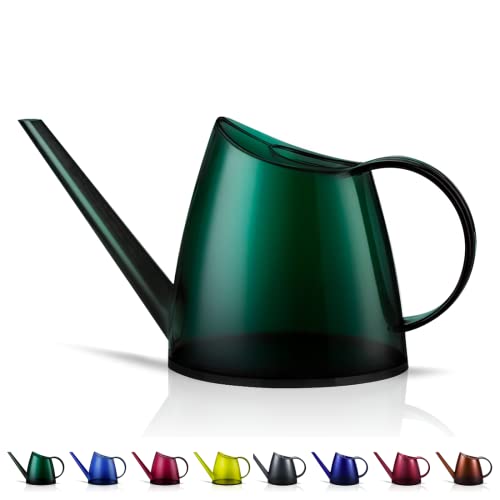
Bottom-water when the top inch feels barely dry. Fill a saucer or tray and let the plant soak for 20–30 minutes, then drain. We avoid watering from the top—moisture on the fuzzy leaves can cause spotting or rot. Watering once a week works for us, more often in summer.
what are the Signs of over or under watering African Violet?
Wilting, mushy stems, or leaf crown rot usually means overwatering. Dry, brittle leaves and no blooms point to underwatering. We watch the crown closely—any softening or tilting gets immediate attention.
pruning
how to prune African Violet?
Prune to remove spent blooms and aging leaves. It encourages fresh growth and better airflow.
- Pinch off faded flowers weekly
- Remove yellowed or damaged outer leaves
- Use fingers or sterilized snips
- Keep the crown area clear
Post-pruning, avoid getting the crown wet. It’s a tender area that rots easily.
Read also: How to prune flowering houseplants
propagating
How to propagate African Violet
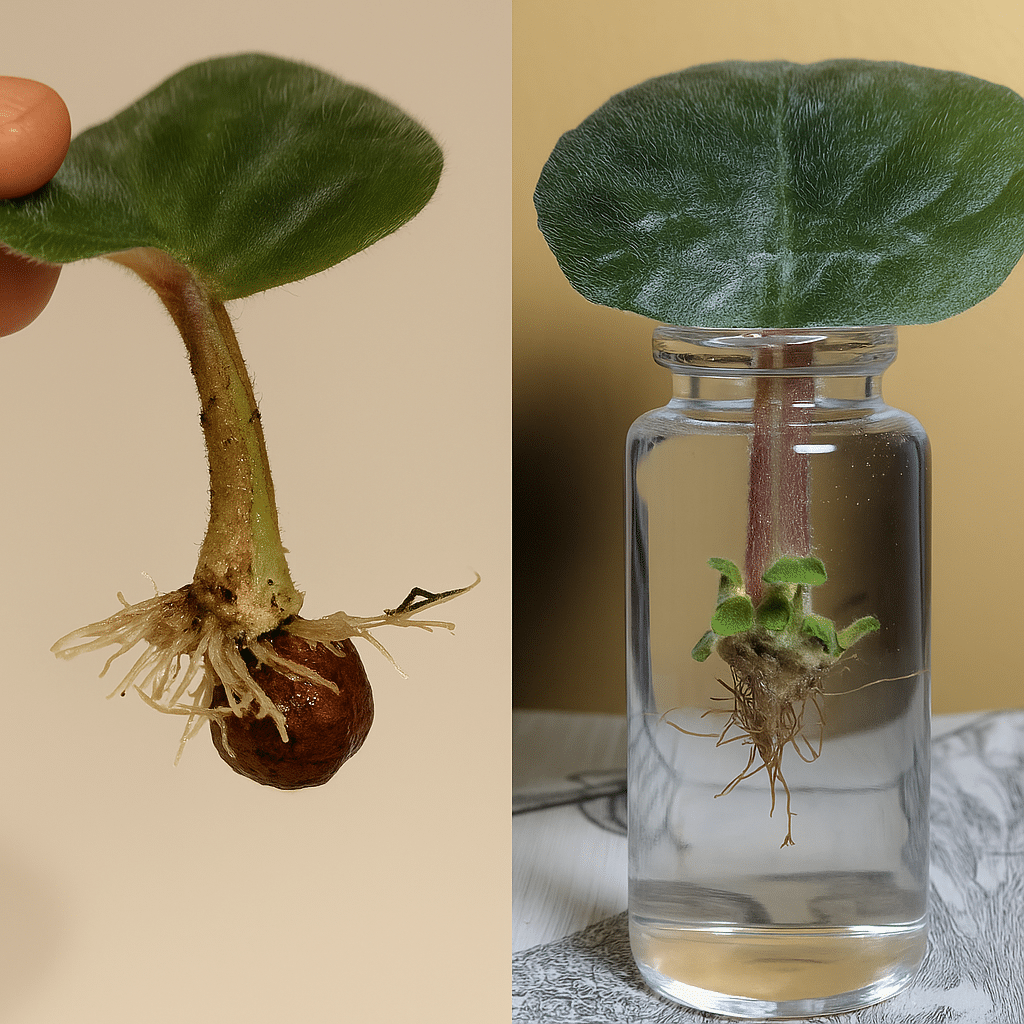
Leaf cuttings are the easiest method.
- Cut a healthy leaf with 1 inch of stem
- Let it callous for a few hours
- Plant in moist, light mix at a 45° angle
- Cover with a dome or plastic bag
New plants form at the base in 4–6 weeks. Transplant them when they have 2–3 leaves of their own.
how to care after propagating African Violet?
- Post-propagation care: Keep it in bright light but away from harsh afternoon sun. Water sparingly until you see new leaves. Once rooted, care is identical to the parent plant.
Troubleshooting common issues
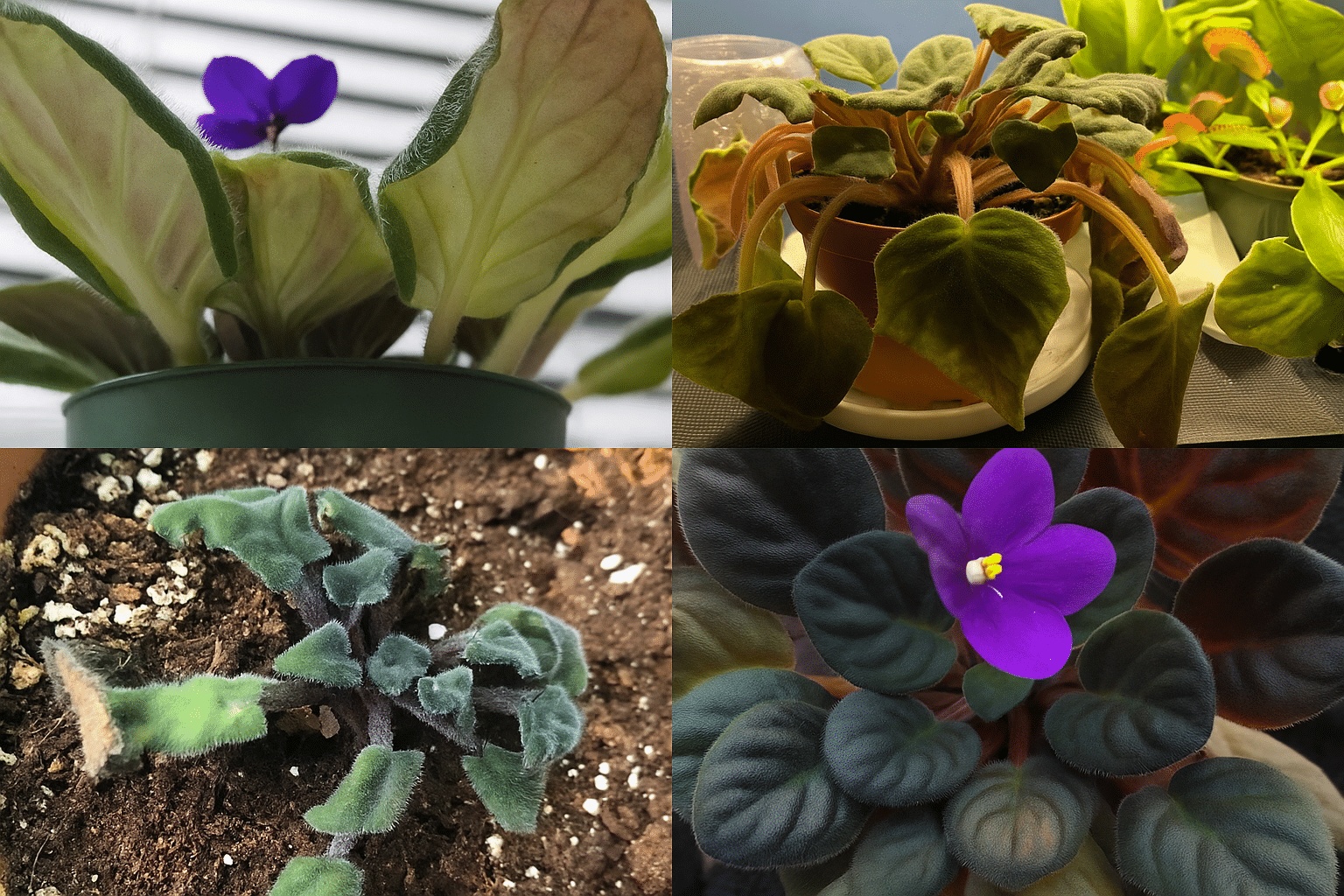
Why isn’t my African violet blooming?
he most common cause is insufficient light — African violets need bright, indirect light to bloom. Move to a brighter spot and use a phosphorus-rich fertilizer to stimulate flower production.
Why are the leaves of my African violet turning yellow?
Cold temps, overwatering, or old age can cause yellowing. Trim affected leaves and keep temps steady.
Why are there white spots on my African violet leaves?
Water droplets on the leaves can leave marks. Always water from the bottom or wick to avoid this.
Why is the center of my African violet mushy?
Crown rot from overwatering or poor air flow. Remove soft tissue, let it dry, and repot in fresh mix.
Why are my African violet leaves curling under?
Too much light or low humidity may be the cause. Move slightly away from the light source and raise humidity.
Why are the leaves of my African violet brittle and dry?
Likely underwatered or in very dry air. Water more frequently and add a humidity tray.
Why is my African violet growing tall and leggy?
It’s stretching for light. Pinch the top growth and move it closer to a bright window.
FAQ
What are the benefits of the African violet?
They bloom indoors year-round, stay compact, and are safe around pets and kids.
How long do African violets live?
With good care, they can live and flower for 20+ years.
Is the African violet toxic to pets?
No, it’s non-toxic to cats and dogs according to ASPCA!
Can I grow African violets in bathrooms?
Only if there’s good natural light. They love humidity but still need brightness.
Do african violets like being misted?
No — misting directly wets the fuzzy leaves and causes spotting. Use a pebble tray or humidifier nearby instead.
How do I keep African violets blooming year-round?
Provide steady light, warmth, and feed regularly. Pinch off dead flowers often.
What’s the best potting mix for African violets?
A light, porous blend with coir, perlite, and organic matter—no peat, and no heavy soil.
How often should I repot my African violet?
Every 6–12 months to refresh soil and prevent root crowding. we have gone more than 2 years without doing this, and they have survivied. But they haven’t thrived, we’d say 🙂
Can I grow African violets from seed?
Yes, but it’s slow and unpredictable. Leaf cuttings are far easier.
Do African violets like being root-bound?
Yes, they bloom best when a bit snug. Go up one pot size only when needed.
Can I grow African violets under lights?
Absolutely. LED or fluorescent grow lights work well if placed 6–12 inches above.
How do I increase humidity for African violets?
Group them together, use trays with water and pebbles, or run a humidifier nearby.
Why does my African violet have soft, mushy leaves?
Usually overwatering or rot. Let soil dry, and remove affected leaves.
How can I tell if my African violet needs repotting?
Roots circling the base, soil pulling away from the edges, or stunted growth are signs.
What pests affect African violets?
Watch for cyclamen mites, thrips, and mealybugs. Use neem oil or insecticidal soap as needed.
Can I grow different varieties together?
Yes, as long as they share the same light and water needs. We love mixing pink and purple varieties for contrast.
Tips from trusted blogs online
- “Don’t be afraid to remove the sad leaves.” Source: Reddit
- “Violets are so easy to prop, you can even make the mount and prop a leaf directly into it and save yourself a lot of hassle.” Source: Reddit
- “I have mine in a teacup with a drainage hole and cotton string from the roots to about an inch out of the bottom. I have it set in a saucer which I keep the water in. The string pulls the water up into the pot without over watering or having to water from the top. It’s been like that for a few months and seems really happy.” Source: Reddit
- “I always propagate in 50/50 African Violet soil and Perlite. Then I place them in a rubber maid container for humidity and lightly mist the soil every few days.” Source: Reddit
- “After some trial and error with lighting and fertilizing over the last couple of months, I finally got it to start blooming!” Source: Reddit