Birds of paradise care guide
Discover watering, soil, fertilizing, pests, styling, and troubleshooting tips for Birds of paradise from our experience growing and caring for it in our Brooklyn home!

We are an AD-FREE, community driven site. When you purchase through links, we may earn a commission, which helps sustain our blog!
Birds of paradise care guide
Care at a glance
How to care for Birds of paradise
The bird of paradise has large, upright, paddle-shaped leaves and can produce bright orange and blue flowers that resemble a bird in flight.
- Watering: Water when the top 2 inches of soil are dry; reduce frequency in winter.
- Light and temperature: Needs bright light with some direct sun; thrives in 65–85°F.
- Toxicity: Mildly toxic to pets and people; can cause digestive upset (ASPCA).
- Soil and fertilizer: Use rich, well-draining, peat-free mix with coco coir and perlite; feed monthly in spring/summer.
- One common issue: Leaf splits are often from low humidity or drafts—increase humidity and shield from wind.
- Propagation method: Divide rhizomes during repotting and plant each in its own pot.
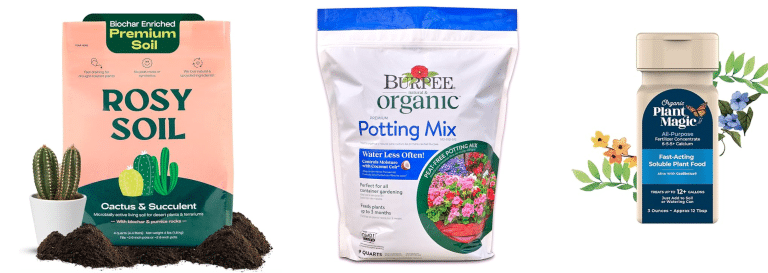
Our favorite soil and fertilizer for Bird of paradise

2. Care mistakes we have learnt to avoid with birds of paradise plant
- Keeping it in medium light because “it’s an indoor plant”: Birds of paradise stop pushing new leaves unless they get real, abundant brightness. Ours sulked for months in a bright corner until we realized it needed a spot almost in the window to behave like itself. Now we keep it 1–2 feet from a south or west window, with sheer curtains only on harsh summer days.
- Using a standard potting mix that stays wet too long: This plant drinks heavily in summer but hates sitting in moisture, and dense mixes suffocate its thick roots. We lost a leaf to rot before realizing the soil was holding water deep in the pot. We switched to a chunkier mix with bark and perlite so the roots breathe even during its fast summer growth.
- Repotting too early because the roots look tight: Everyone says birds of paradise want space, but giving it a big pot too soon slows everything down. Extra soil stays wet, and the plant spends months rebuilding stability instead of growing tall. We wait until roots are actually circling the bottom and then go up just one pot size—nothing more.
- Keeping the same watering rhythm year-round: In Brooklyn summers, this plant dries out fast and can drink twice a week. In winter, though, it barely uses water and the same schedule leads to yellowing and root stress. We water generously in July when light is long, then cut back dramatically from November to March, letting the top half of the pot dry before watering again.
3. A real issue we have had with birds of paradise plant in our home
new leaves kept tearing before they fully unfurled. We assumed it was a pest or humidity issue, but the real cause turned out to be how tightly the leaves were packed from low light and slow growth in our apartment. They didn’t have enough momentum to open cleanly. Moving it closer to our bright west window gave the plant the push it needed, and the next few leaves opened without a single split.
lineage and Symbolism
Bird of Paradise (Strelitzia reginae) brings dramatic, architectural height to indoor jungles. With its wide, glossy leaves and vibrant, crane-like blooms when mature — it turns heads in any bright room!
We’ve grown it by south-facing windows where it (almost!) brushes the ceiling, and caring for it feels more like tending a tree than a houseplant. It demands a little more space and light than your average foliage plant, but once you get the hang of it, it rewards you with tropical flair year-round. If you want to prioritize one large, fast growing plant, do this!
Bird of Paradise symbolizes freedom, magnificence, and joy. Its exotic shape and upright stance make it a plant of bold expression. Astrologically, it aligns well with Leos and Sagittarians—sun-loving signs that thrive on vibrancy, confidence, and warmth.
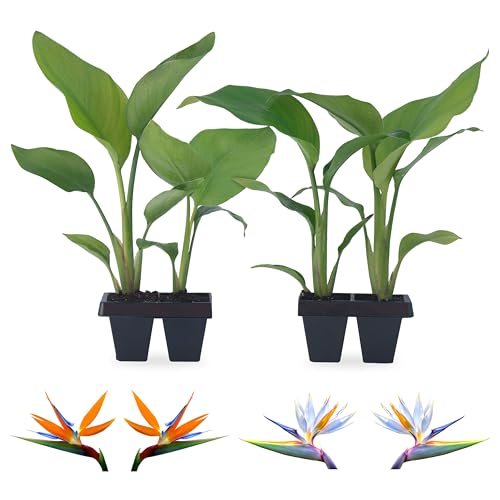
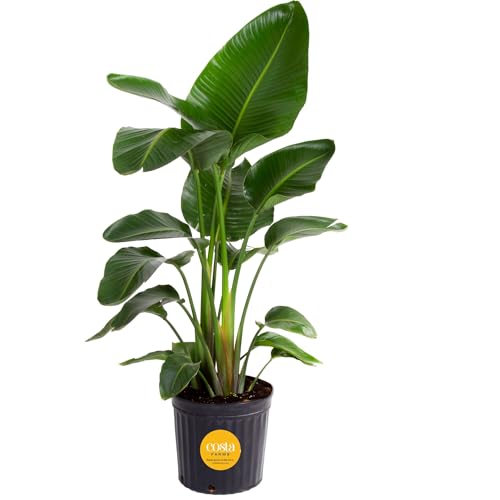
$~40
“I love how dramatic this plant looks. It requires regular watering and misting but is worth it for the bold foliage”
What we wish we knew before buying
The “indoor jungle” photos hide how much space this plant truly needs: We thought it would stand tall and elegant in a corner, but once it settled in, the leaves started reaching sideways and upward like they owned the room. It easily claims a 3–4 foot radius, and cramped placement makes leaves twist, tear, or lean wildly toward the closest window. We wish someone had told us to treat it like bringing home a small piece of outdoor architecture, not a decorative houseplant.
Bird of paradise plant care infographic
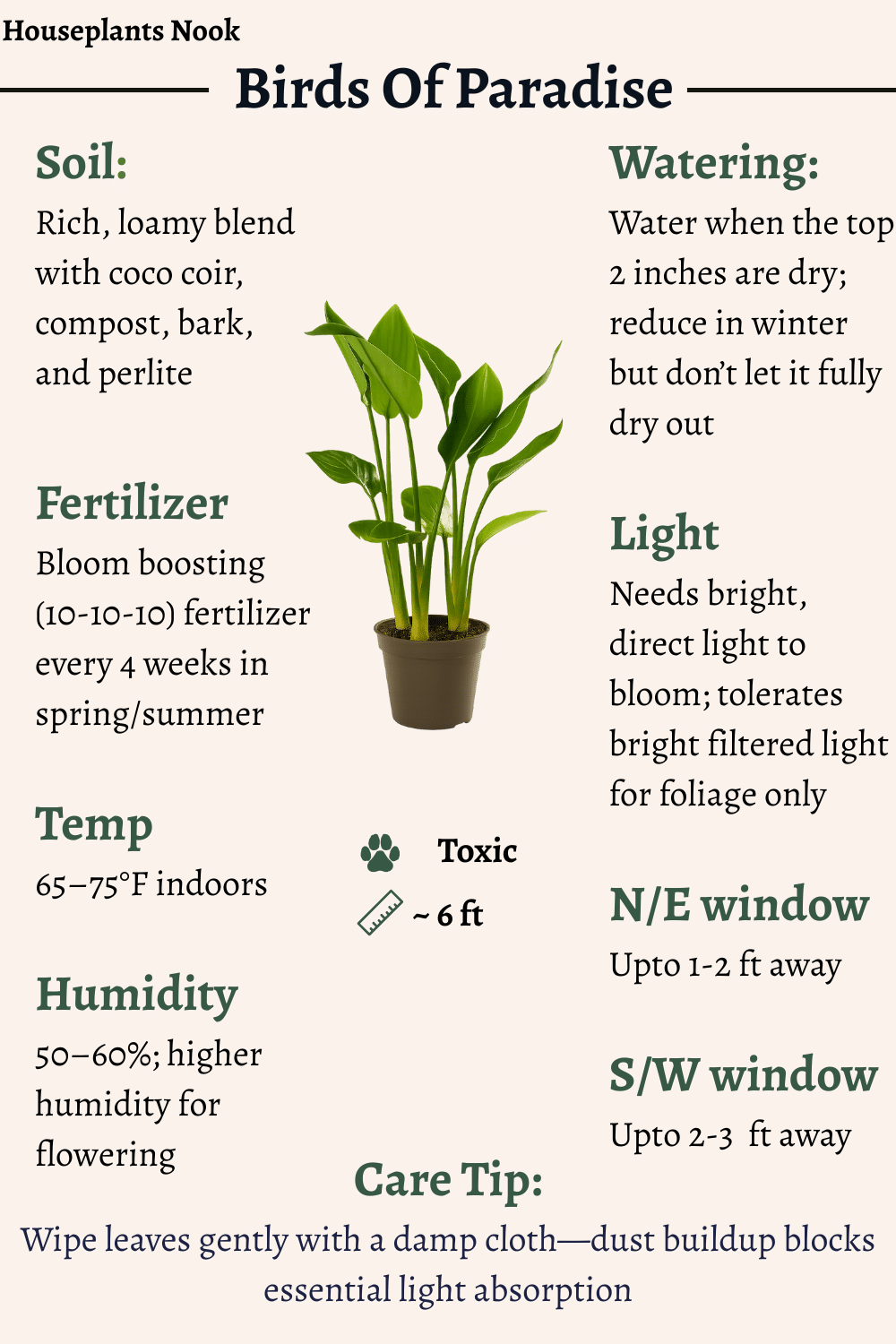
📋 Use this infographic on your site — copy the code below:
Plant that pairs well with similar care needs

Light and placement and seasons

What is the light requirement for Birds of paradise?
Bird of Paradise needs bright, direct sunlight to truly thrive. Think 6+ hours a day. If the leaves stay upright and new ones unfurl every month or so, it’s getting what it needs. We’ve noticed ours grows faster and larger when placed directly in sunbeams. It can tolerate bright indirect light, but expect slower development and fewer leaves.
How to know if Birds of paradise is not getting right amount of light?
Curling or drooping leaves and halted growth often point to insufficient light. You might also see elongated stems or dull foliage. In our experience, leaves will start to lean dramatically toward windows if the plant is hungry for more sun. If yours does this, it’s time to move it closer.
Where to place Birds of paradise and where to avoid?
Place your Bird of Paradise in front of a south- or west-facing window where it gets direct light for at least 4–6 hours daily. In our Brooklyn home, we keep ours beside our sunniest (south) window in the parlor room, and it flourishes.
Avoid placing it near drafty doors or vents, especially during winter, and never in a dim hallway or shaded corner. Low light slows growth dramatically and can cause leaf curl or stunted stems.
Read also: How much light do flowering houseplants need
How cast iron plant behaves through the seasons?
- Spring: Growth wakes up fast, and new leaves appear with more strength and height. We water more frequently because the soil finally dries between waterings. We pull it closer to our west window to give it a jump-start on light. The only issue is cramped unfurling if we wait too long to rotate it, so we turn it weekly.
- Summer: This is its peak season, with big, dramatic leaves that sometimes emerge every few weeks. We water deeply and often, then fertilize lightly every month because it actually uses the nutrients now. Strong sun through Brooklyn windows can scorch the edges, so we use sheer curtains on the brightest afternoons. Heat also makes the pot dry unpredictably fast, so we check moisture almost every other day.
- Fall: Growth slows but doesn’t stop; we see fewer leaves and longer gaps between unfurlings. We start easing off watering because the apartment cools down at night and soil stays wetter. Light drops sharply, so we move it slightly closer to the window again. Occasional yellowing at the base is normal here, and we prune it out.
- Winter: Growth nearly stops, and the plant becomes far more sensitive to soggy soil. We water sparingly—sometimes every 3–4 weeks—making sure at least the top half of the pot dries out. Our west window still gives enough brightness, so we leave it in place but pull it a few inches from the draft. Crispy tips happen from radiator dryness, and we’ve learned not to chase humidity—just trim lightly and wait for spring.
Soil
What soil composition to use for Birds of paradise?
Use a chunky, rich mix that drains well. We use a blend of coco coir, perlite, pine bark, and a bit of compost. The roots don’t like soggy conditions but do need sustained moisture. A good test: water should drain within 30 seconds, but the soil should stay moist (not wet) for a couple of days.
Best soil to use for Birds of paradise?
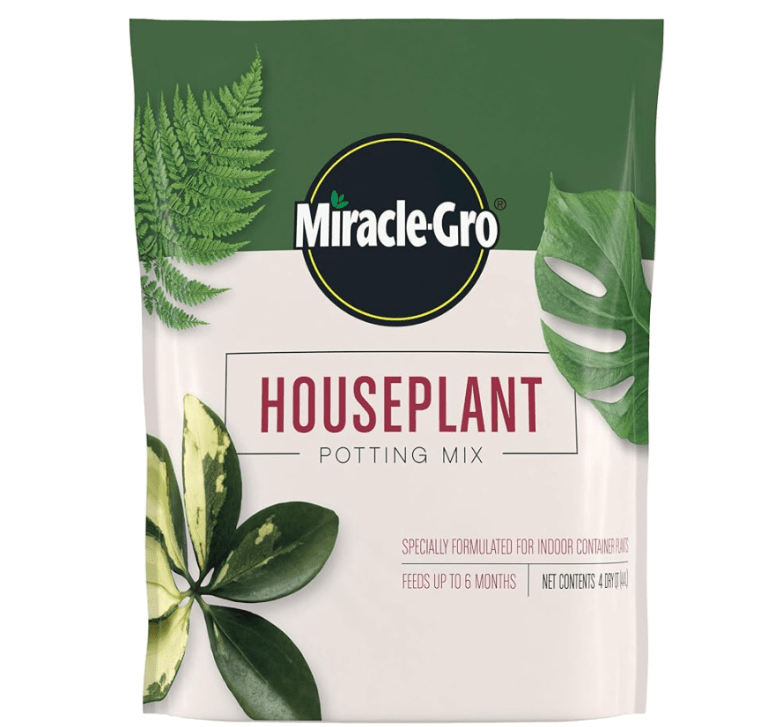
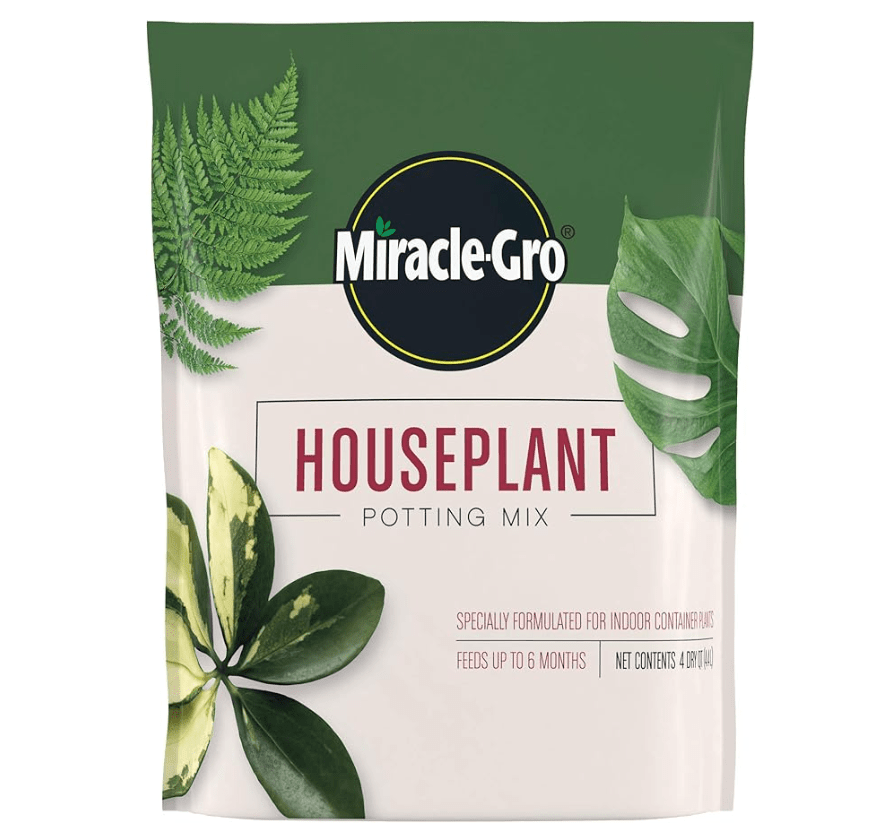
We’ve repotted our Bird of Paradise using Miracle‑Gro Houseplant Potting Mix, and here’s how it’s worked out for us:
Fast revitalization and lush growth: After repotting in this mix, our Bird of Paradise shot out fuller leaves quickly—about a month in, we noticed larger, more vibrant foliage.
Balanced moisture with proper drainage: The coconut coir base holds enough water without staying soggy, giving our tropical plant consistent hydration. We still add extra perlite for even better drainage—just a handful mid-mix.
Built‑in feeding: The slow-release nutrients in the potting mix kept our Bird nourished for up to 6 months without needing extra fertilizer. After that, we top‑dress or lightly feed during active seasons.
Temperature and Humidity
What is the best temperature condition for Birds of paradise?
Keep your Bird of Paradise in temperatures between 65–80°F. Avoid anything below 55°F. We lost one wintering it too close to a drafty window, so we always pull ours back from the glass when it gets chilly. They love warmth, and their growth noticeably slows in cold homes.
What is the best humidity condition for ZZ plant?
They do best with 50% humidity or more, but we’ve grown them just fine in typical indoor air. That said, during dry winters, we place a small humidifier near the base or group them with other plants to create a humidity pocket. If leaf edges brown, it’s a sign your air is too dry.


fertilizer
What is the best fertilizer composition to use for Birds of paradise?
Look for a balanced liquid fertilizer like 10-10-10 or 20-20-20 with micronutrients. Some growers prefer a slightly higher nitrogen mix to push foliage growth, especially for young plants. We like organic fish emulsion monthly during spring and summer for lush, green growth.
How and when to fertilize Birds of paradise?
Fertilize monthly in spring and summer when growth is active. We water first, then apply diluted fertilizer to avoid burning roots. In fall and winter, skip feeding. Our rule: if new leaves are popping up, it’s time to feed; if not, wait.
What are the signs Birds of paradise needs food?
Slow or stunted growth, pale leaves, or reduced new leaf production are all signs. When our plant goes too long without feeding, the leaves emerge smaller or stay partially curled. A quick dose of diluted fertilizer usually sets it back on track.
Read also: Why are my flowering houseplants not blooming, and why are they losing their buds
Best fertilizer to use for ZZ plant?
We’ve integrated Plant Magic Organic Fertilizer into our Bird of Paradise care routine, and here’s what we’ve seen:
- We dilute and use it once a month during spring and summer. Within a week or two, the leaves perk up—richer green, stronger stems, and even encouraging new growth.
- It’s gentle but effective—our tropical plants felt nourished without risk of burn. We’ve watched buds form after regular feeding, which shows it supports bloom potential too.
- For seasons when we really want a flowering spike, we layer in a bloom-focused fertilizer (e.g., 3-1-2), but Plant Magic remains our reliable baseline for upkeep.
Pots and planters
What are the best pots to use for Birds of paradise?
Choose a heavy, stable pot to prevent toppling—these plants can get tall fast. We like unglazed ceramic or terracotta for airflow. Make sure there’s at least one large drainage hole. Avoid self-watering pots for this one — they hold too much moisture for this plant’s liking.


Read also: how to style flowering houseplants
Watering
How and When to water Birds of paradise?
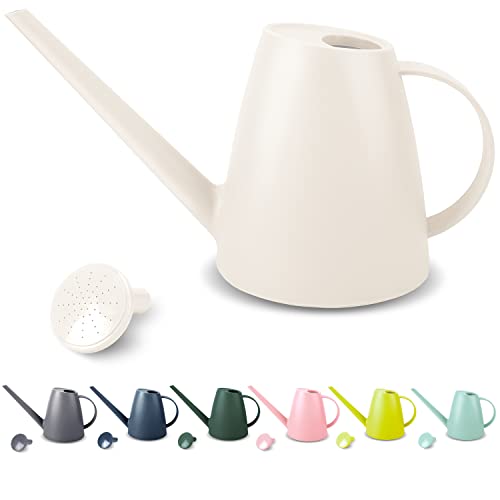
Water when the top 2 inches of soil are dry. During active growing seasons, we water once every 7–10 days, adjusting based on light and pot size. Always water deeply until it drains from the bottom. In winter, cut back to every 2–3 weeks. Never let it sit in soggy soil.
what are the Signs of over or under watering Birds of paradise?
Yellow lower leaves and mushy stems mean overwatering. Crispy edges and drooping, lightweight pots mean it’s thirsty. We check by sticking a finger in the soil—if it’s dry 2 inches down, time to water. Overwatered plants may also develop fungus gnats.

pruning
how to prune Birds of paradise?
Bird of Paradise doesn’t need frequent pruning, but it benefits from tidying up.
Why prune: To remove old or damaged leaves and keep the plant looking clean.
When to prune: Best done in spring or summer during active growth.
Use sharp shears to cut dead or yellowing leaves at the base of the stem.
Remove broken or bent stems to allow light to reach newer growth.
Wipe leaves to remove dust and prevent pests from taking hold.
Cut at an angle to minimize water retention on cut surfaces.
Never prune more than 20% of the plant at once.
Post-pruning care: Keep in bright light and avoid fertilizing for 1–2 weeks. We mist the leaves lightly for a few days to help with the transition.
Read also: How to prune flowering houseplants
propagating

How to propagate Birds of Paradise
Method: Division (simplest and most reliable)
- Only mature plants with multiple stems or clumps can be divided.
- Water the plant thoroughly the day before to reduce shock.
- Gently remove the plant from its pot and shake off excess soil.
- Separate rhizomes by hand or cut with a sterile knife, ensuring each has roots and stems.
- Replant divisions in fresh, moist soil and keep in bright, indirect light.
how to care after propagating Birds of paradise?
- We keep new divisions slightly shaded and lightly watered for the first 2 weeks. Humidity trays help reduce transplant shock. Once new growth appears, resume normal care.
Troubleshooting common issues
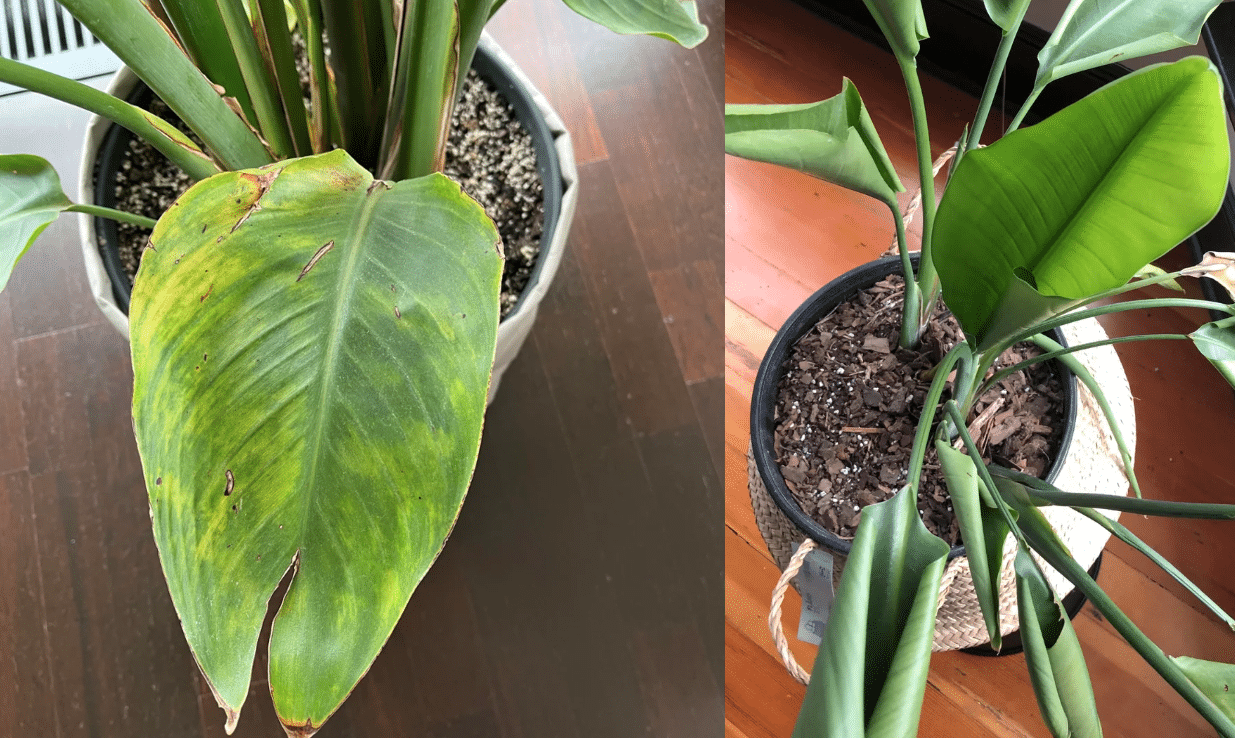
Why are the leaves of Bird of Paradise curling?
Lack of light or low humidity causes curling. Move it closer to a bright window and mist regularly.
Why are the leaves of Bird of Paradise splitting?
This is often from overwatering. Let the soil dry completely and adjust your watering schedule to every 2–3 weeks.
Why are the lower leaves turning yellow?
Usually from overwatering. Let soil dry more between waterings and check drainage.
Why isn’t my Bird of Paradise flowering?
Indoors, flowering is rare. You need years of maturity, bright light, and some root crowding. Focus on foliage first.
Why is my Bird of Paradise leaning?
Uneven light exposure causes it to bend. Rotate the pot every couple of weeks.
Why are the tips of the leaves brown?
Low humidity or salt buildup from fertilizer. Flush the soil and boost ambient moisture.
Why is my Bird of Paradise not growing?
It may be too cold, underfed, or pot-bound. Raise temperature, fertilize monthly, or repot in spring.
FAQ
What are the benefits of Bird of Paradise?
It adds height, lush foliage, and tropical character to indoor spaces. It’s also known for its air-purifying qualities.
Can Bird of Paradise live in low light?
No. It needs bright light to thrive. Low light leads to slow or no growth.
How tall does Bird of Paradise grow indoors?
Up to 6–7 feet, though some can stretch taller in ideal conditions.
Is Bird of Paradise toxic to pets?
Yes, mildly toxic if ingested. Keep out of reach of cats and dogs.
How often should I repot Bird of Paradise?
Every 2–3 years, or when roots outgrow the container.
Can I place Bird of Paradise outside in summer?
Yes, if temps stay above 60°F. Acclimate it slowly to full sun.
How do I clean Bird of Paradise leaves?
Wipe gently with a damp cloth, with neem oil, every few weeks to remove dust.
What kind of pot is best?
Heavy pots with drainage holes. Terracotta or ceramic works well.
Is misting necessary for birds. of paradise?
It helps in dry environments but isn’t essential if humidity stays above 50%.
What kind of pests affect Bird of Paradise?
Spider mites and scale are the most common. Neem oil or insecticidal soap works well.
Can Bird of Paradise tolerate direct sun?
Yes—in fact, it thrives on it. Gradually acclimate if moving from shade.
Why are new leaves stuck or not unfurling?
Usually due to low humidity or buildup on leaf sheaths. Mist and gently loosen with fingers.
How long do Bird of Paradise plants live?
With good care, they can live for decades indoors (Yes, crazy!)
Should I stake my Bird of Paradise?
Only if stems are leaning heavily. Use soft ties and avoid damaging leaves.
Tips from trusted blogs online
- “I got my first BOP last May for my birthday. I left it outside all summer and it more than doubled in size and now stands 7 feet tall. It is very happy in my southwest window and the leaves look great even after being near the heating vent all winter. I water it weekly with a quart of water in a custom well-draining soil mix. It gets weekly dilute fertilizer of 5N fish fertilizer and kelp every week.” Source: Reddit
- “I have a weekly watering routine where I go around and inspect our plants for pests, dust, and moisture level. I monitor the latter using this moisture meter. When the meter shows that our Bird of Paradise is on the drier side, I give it a good long drink of water from my watering can (roughly four cups of water each time).” Source: Dream Green DIY
- “The plant is either unable to breathe and getting floppy because of waterlogged soil, or suffering from root rot if that has gone on long enough. I recommend pulling it out of that pot as soon as you can to inspect the roots and let it dry out. In my experience, bird of paradise is a very hardy plant. As long as the entire rootball has not turned to rotted mush, you should be able to cut back any dead or dying roots and leaves, repot with fresh soil into a well-draining pot and it should recover just fine.” Source: Reddit
- “Strelitzia are heavy feeders and require regular fertilizing during growing season. I use a balanced fertilizer (organic or synthetic is your choice) or top the soil with compost, mix in a slow release organic fertilizer, or worm castings.” Source: Jeannie’s Field Notes
- “Rotate your plant periodically to ensure even growth on all sides and don’t be afraid to prune discolored or broken leaves. It is important to dust the leaves of Bird of Paradise plants often so the plant can photosynthesize efficiently. To dust, use a mister and microfiber cloth to thoroughly wipe down each leaf and take the opportunity to inspect the undersides of the foliage to keep an eye out for pests.” Source: Greenery Unlimited