Bromeliads care guide
Discover watering, soil, fertilizing, pests, styling, and troubleshooting tips for Bromeliads from our experience growing and caring for it in our Brooklyn home!

We are an AD-FREE, community driven site. When you purchase through links, we may earn a commission, which helps sustain our blog!
Bromeliads care guide
care at a glance
How to care for Bromeliads
Bromeliads have colorful, strappy leaves forming a central rosette that often holds water, with vibrant, long-lasting flower bracts rising from the center.
- Watering: Keep the central cup filled with clean water; water soil lightly when top inch is dry.
- Light and temperature: Prefers bright, indirect light and warm temps between 65–85°F.
- Toxicity: Non-toxic to pets and humans; safe around cats and dogs (ASPCA).
- Soil and fertilizer: Use airy, peat-free orchid or bromeliad mix with bark and perlite; feed monthly with diluted orchid fertilizer.
- One common issue: Brown leaf tips often signal dry air or salt buildup—flush the cup and increase humidity.
- Propagation method: Remove pups from the base once they’re about one-third the size of the mother plant and replant.
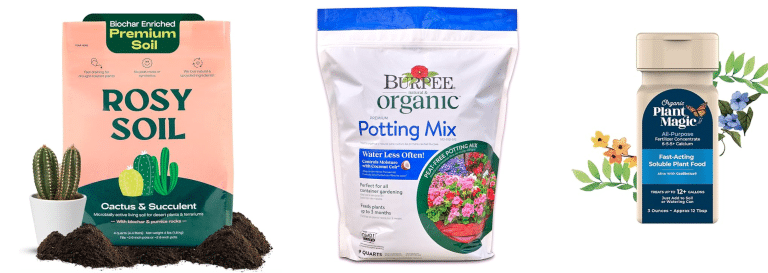
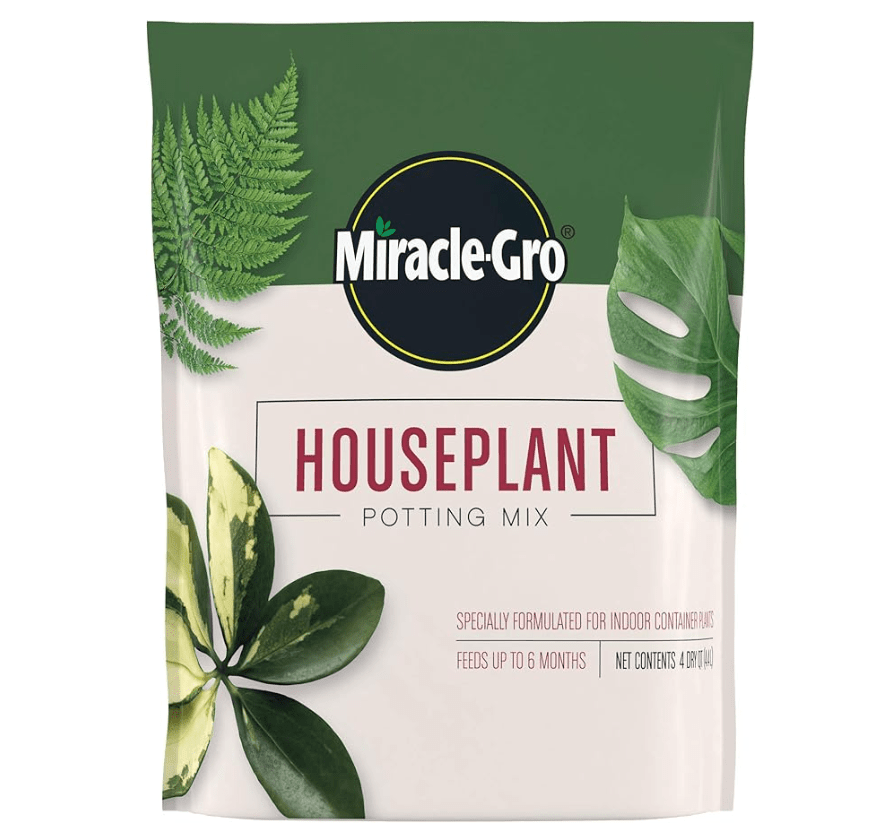
Our favorite soil and fertilizer for Bromeliad

2. Care mistakes we have learnt to avoid with Bromeliad plant
- Filling the central cup without letting the water move: Bromeliads rot fast if water sits stale in the cup for too long. We flush the cup every week so fresh water replaces old water, which keeps the plant healthy and stops that sour smell.
- Using regular potting soil instead of a loose, airy mix: Their roots are more for anchoring than drinking, and dense soil suffocates them. We use bark, coco chips, and perlite so the roots stay dry and the plant pulls moisture from its cup instead of the pot.
- Placing it in harsh direct sun thinking it “loves tropical light”: Bromeliads scorch quickly, especially near hot south- or west-facing windows. We keep ours closer to bright, indirect light—usually near an east window—so the colors stay vivid without bleaching.
- Overwatering the pot in winter when the plant isn’t using much water: Bromeliads slow down a lot in cold months, and wet soil causes root rot fast. We barely water the pot in winter and focus on keeping the cup fresh instead, which the plant handles much better.
3. A real issue we have had with Bromeliad plant in our home
The center cup started smelling sour and the leaves browned at the base even though the plant looked healthy on top. The real cause wasn’t overwatering—it was old, stagnant water sitting in the cup for too long. Once we started flushing the cup weekly with fresh water, the smell disappeared and the plant bounced back.
lineage and Symbolism
The Bromeliad (aka Bromeliaceae, spanning multiple genera like Guzmania, Aechmea, and Neoregalia) brings a splash of the tropics indoors — its bright, torch-like bloom isn’t actually a flower but a bract/leaf that can last for months!!
In our Brooklyn community home, we love placing them on sunny kitchen shelves or bright bathroom ledges where humidity stays high. They’re easygoing once you learn their rhythm—colorful, compact, and endlessly rewarding. Maximum they’ve grown to about 3 feet.
Bromeliads symbolize resilience and exotic beauty, often associated with uniqueness and standing out confidently.
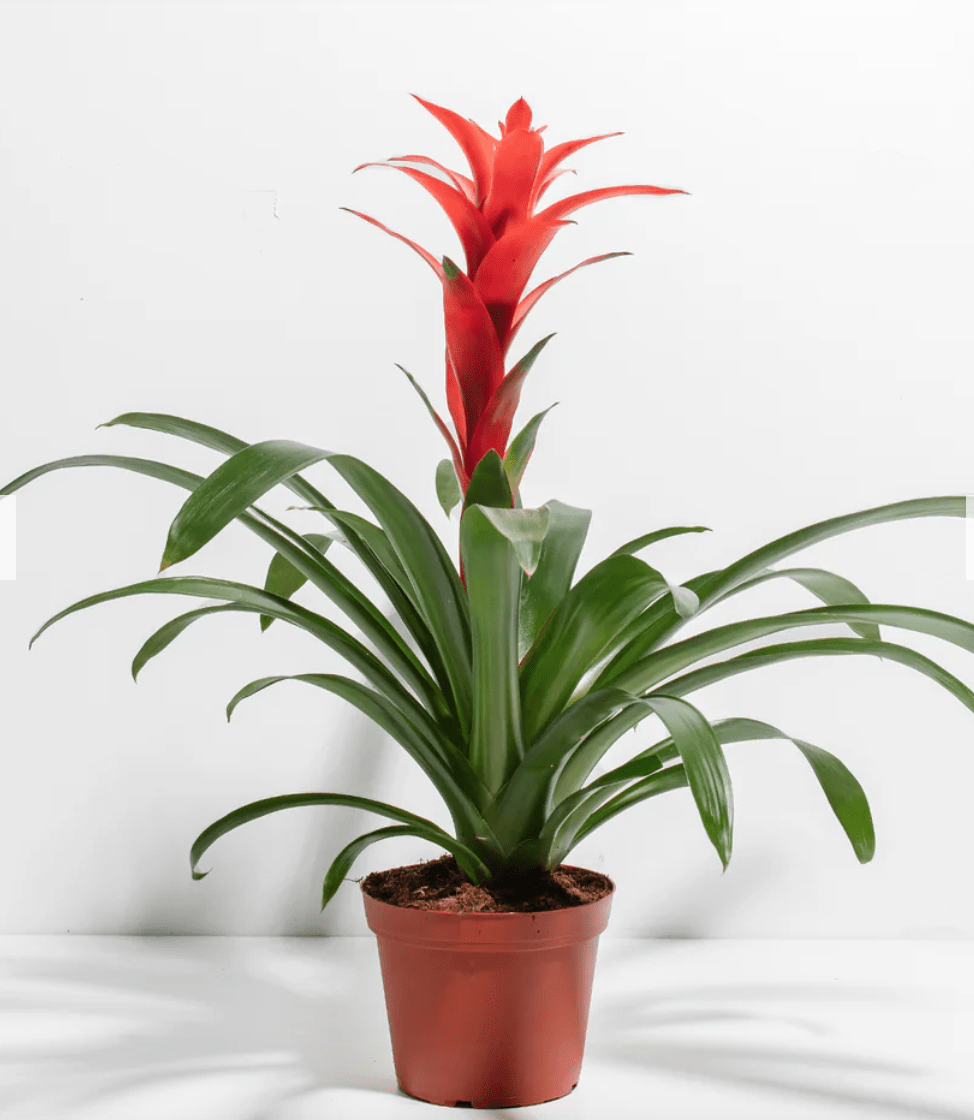
($~20)
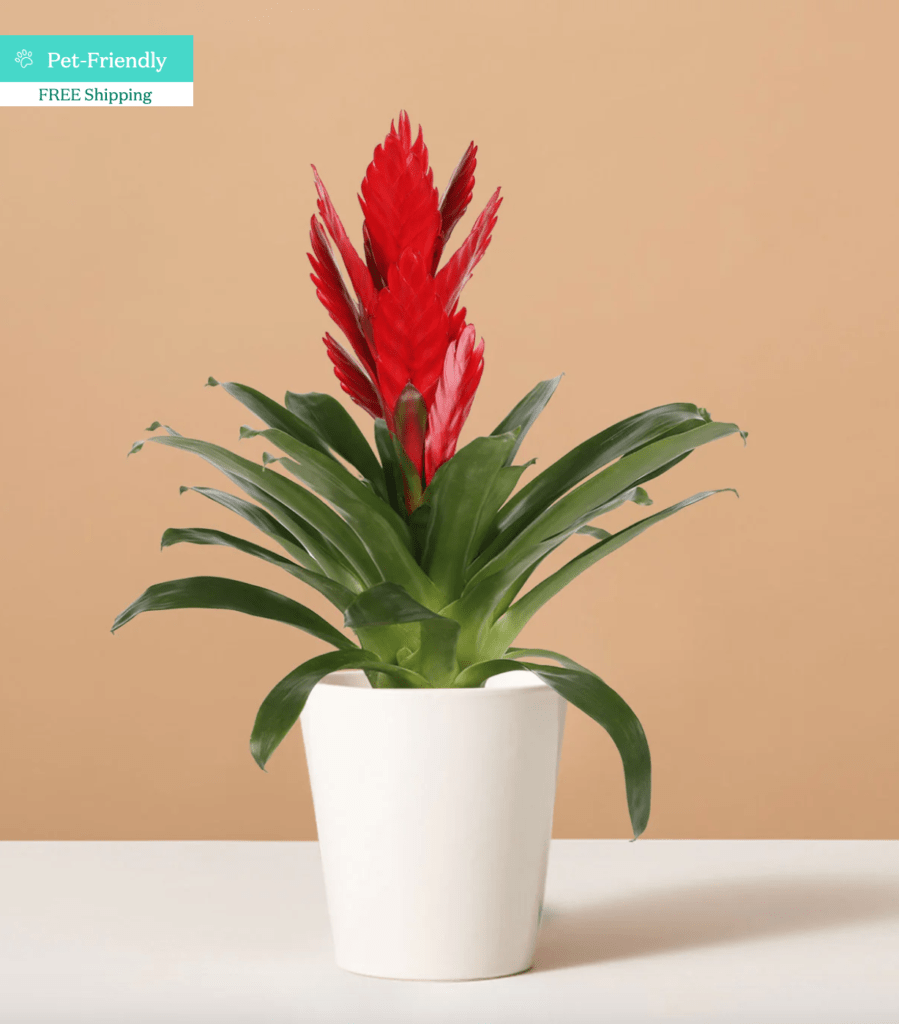
($78)

($49)
$46
“These vibrant colors in the flowers are like having bouquets all year long!”
What we wish we knew before buying
The plant relies more on its “cup” than its roots: We didn’t realize the roots barely drink and the cup does most of the work, which means stale water builds up fast in an apartment. Ours looked perfect on top while the base quietly suffered from old water sitting too long. Once we learned to flush the cup weekly and keep the soil almost dry, the plant finally behaved the way we expected.
Bromeliad plant care infographic

📋 Use this infographic on your site — copy the code below:
Plant that pairs well with similar care needs
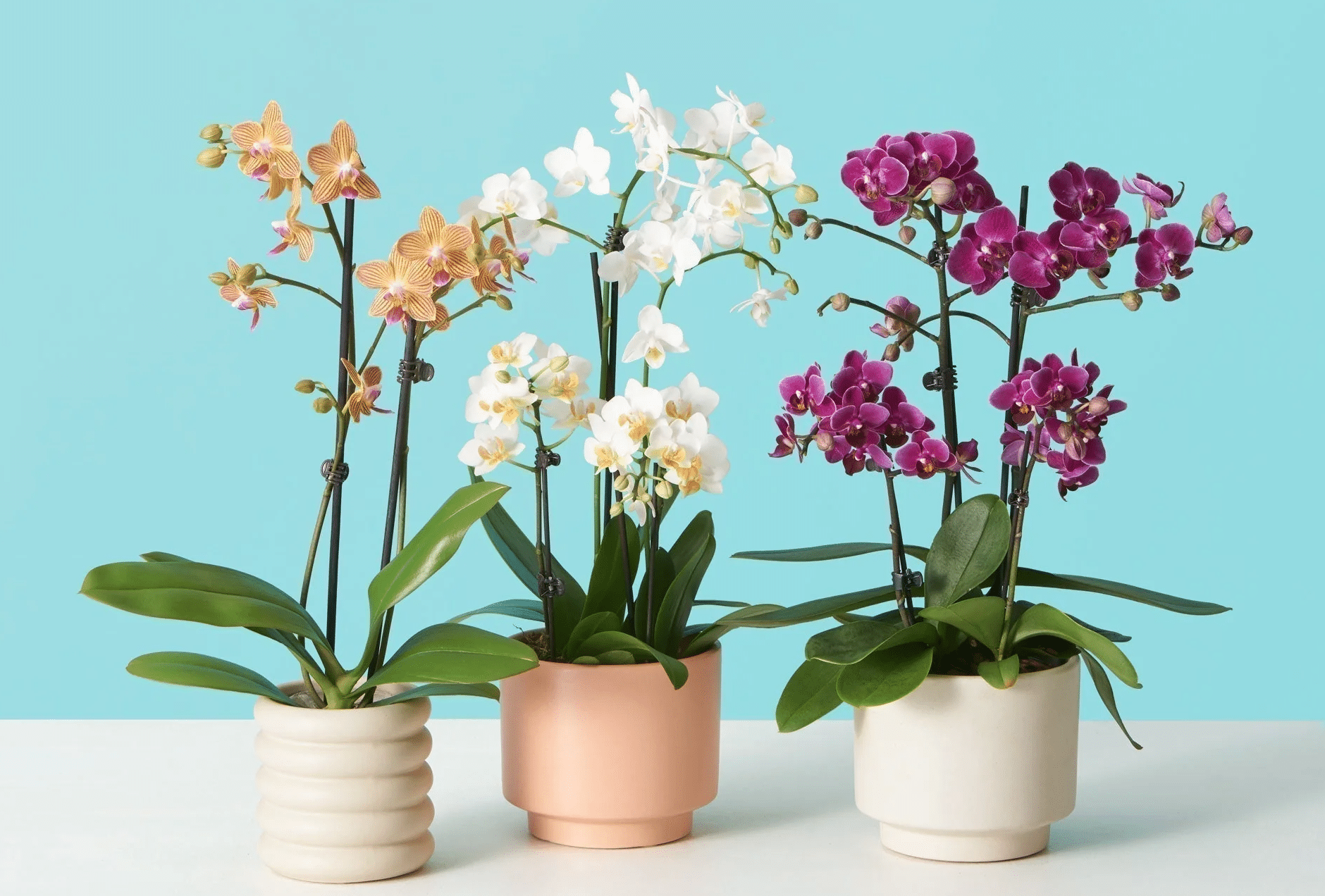
Light and placement
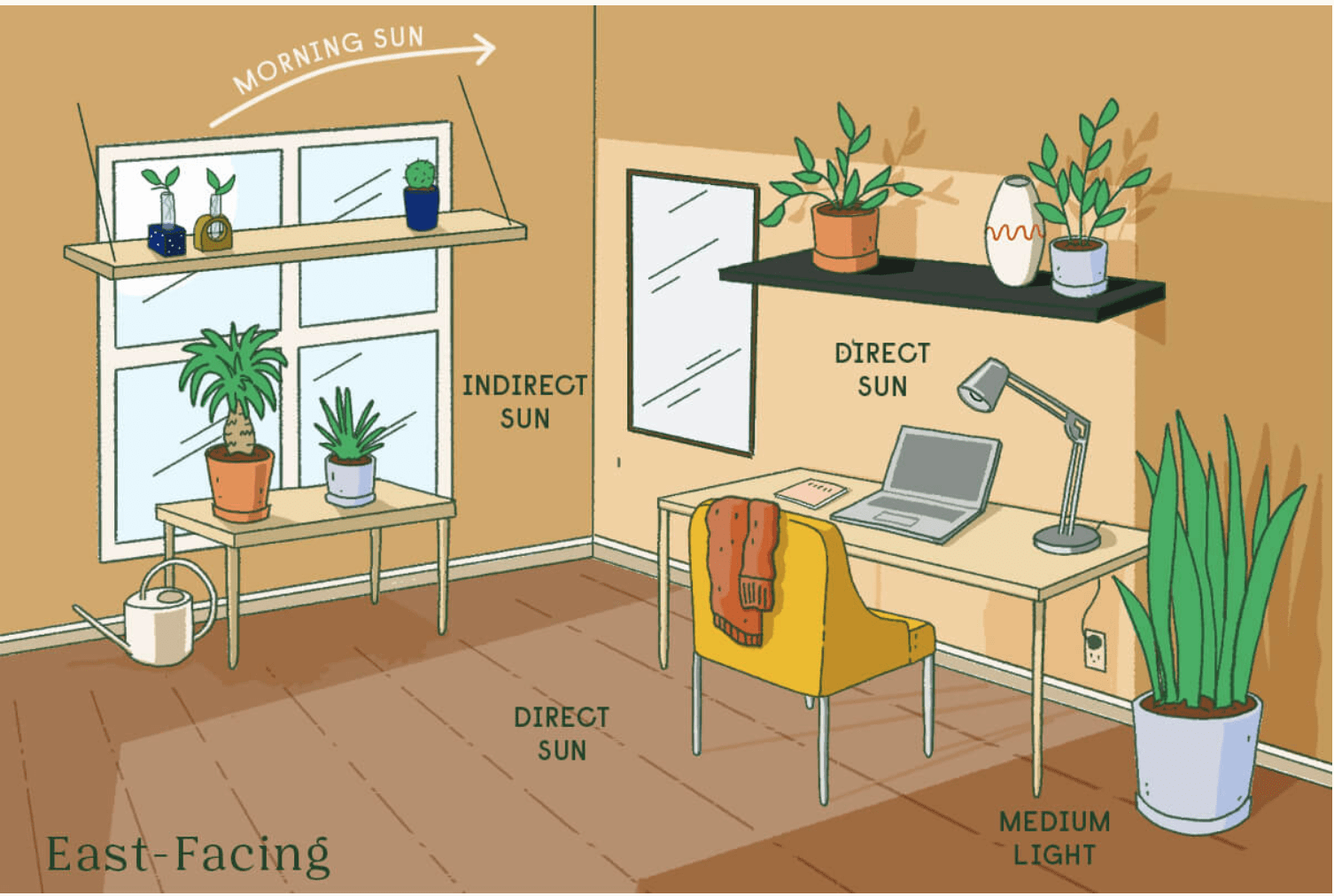
What is the light requirement for Bromeliads?
Bromeliads grow best in bright, indirect light and can handle filtered morning sun. Thin-leaved varieties need softer light, while thicker-leaved types like Aechmea tolerate more brightness. For indoor care, place them 2 to 3 feet from an east- or west-facing window with sheer curtains. Avoid strong afternoon sun.
How to know if Bromeliads is not getting right amount of light?
Faded color or slow growth means it’s not getting enough light. Scorched or curling leaves suggest it’s too close to harsh sun. We watch for pale rosettes or dry tips as cues to adjust placement.
Where to place Bromeliads and where to avoid?
Position it 2–3 feet from a bright east- or west-facing window, or under a grow light for 10–12 hours daily. Bathrooms with good light are ideal since bromeliads love humidity. Avoid placing them near vents, heaters, or cold drafts—air movement can dry them out fast.
Read also: How much light to flowering houseplants need
How Bromeliad plant behaves through the seasons?
- Spring: Growth becomes more active and the colors look brighter. We refresh the cup more often and water the pot slightly more as the plant starts drinking again. The main issue is algae forming in the cup if the light is too strong, so we pull it a little back from the window.
- Summer: This is when the plant is happiest—warmer air, consistent light, and steady cup refills. We keep the cup topped with fresh water and let the potting mix dry almost completely because the roots barely drink. Direct sun can bleach the leaves, so we shift it a few inches back on hot afternoons.
- Fall: Growth slows, and the cup evaporates more slowly in cooler air. We reduce watering and flush the cup less often but still keep the water fresh. The risk here is overwatering the pot as temperatures drop, so we stay light-handed.
- Winter: Growth is almost paused, and the plant holds steady for weeks at a time. We refill the cup far less and avoid letting radiator heat dry out the leaves. Cold drafts from windows can brown the leaf edges, so we pull it a little farther into the room.
Soil
What soil composition to use for Bromeliads?
They prefer an airy, epiphytic-style mix that drains quickly. We use:
- 2 parts orchid bark
- 1 part coco coir
- 1 part perlite or pumice
This keeps the roots supported without compacting or trapping moisture.
Best soil to use for Bromeliads?
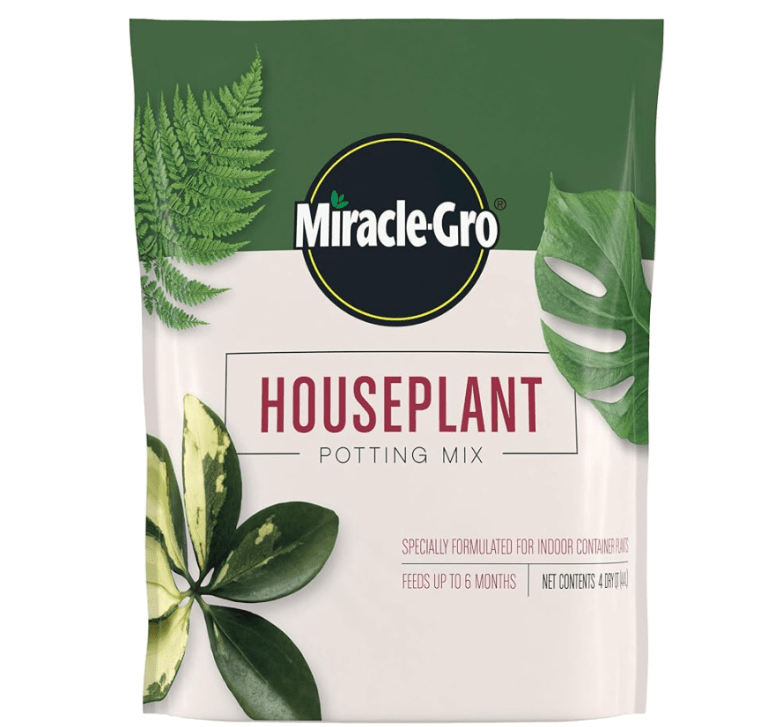
Here’s our insights with this soil:
Quick plant rebound: Within a week, our bromeliads’ cups held water sturdily and tip redness deepened—signs they were settled and happy with the new mix.
Excellent moisture-air balance: The peat-and-coir base retains enough moisture for rootlets, while perlite/bark additions keep it airy and free-draining
Resilient and easy-care: We fill the central cup weekly, water the soil only when just damp, and skip extra fertilizer thanks to built-in nutrients. The plants thrive with vibrant foliage and regular pup production.
Temperature and Humidity
What is the best temperature condition for Bromeliads?
Ideal temperatures fall between 65–80°F. Prolonged drops below 55°F can stunt growth or cause damage. We keep ours away from windows in winter and avoid setting them near exterior doors.
What is the best humidity condition for Bromeliads?
They love humidity—50–70% is best. In dry seasons, we group bromeliads with other moisture-loving plants or place them on pebble trays with water. Bathrooms with filtered sunlight are perfect year-round spots.


fertilizer
What is the best fertilizer composition to use for Bromeliads?
Use a diluted orchid or bromeliad fertilizer with an N-P-K ratio like 10-10-10 or 10-30-20. Choose something low in urea. Avoid overfeeding—these plants are light feeders and sensitive to salt buildup.
How and when to fertilize Bromeliads?
Fertilize monthly during spring and summer. We dilute our fertilizer to half strength and add it either to the soil or into the central cup—depending on the species. In cooler months, hold off unless pups are growing.
DIY tip: Steep 1 tbsp of crushed eggshells in water overnight and use it monthly as a gentle calcium supplement for stronger leaves.
What are the signs Bromeliads needs food?
Pale leaves, a fading bract, or slow pup formation can all point to nutrient deficiency. If it looks dull despite good light and water, a light feeding may bring it back to life.
Read also: Why are my flowering houseplants not blooming, and why are they losing their buds
Best fertilizer to use for Bromeliads?

We’ve incorporated Plant Magic Organic Fertilizer into our bromeliad care, and here’s what’s worked for us:
- Cup and foliage perk-up within weeks: After monthly feedings in spring and summer, our bromeliads’ central cups held vibrant, full water, and foliage color deepened—showing a healthy bounce compared to earlier flatness.
- Gentle enough not to stress delicate roots: Since bromeliads thrive in airy, slightly damp soil, we found this fertilizer gives them the nutrition they need without sogging the mix or causing issues in the soft root structure.
- Consistent growth with minimal fuss: We’re sticking with this monthly routine as our core feed. Only if pups are forming or blooming initiates early growth do we layer in a mild orchid or tropical plant feed.
Pots and planters
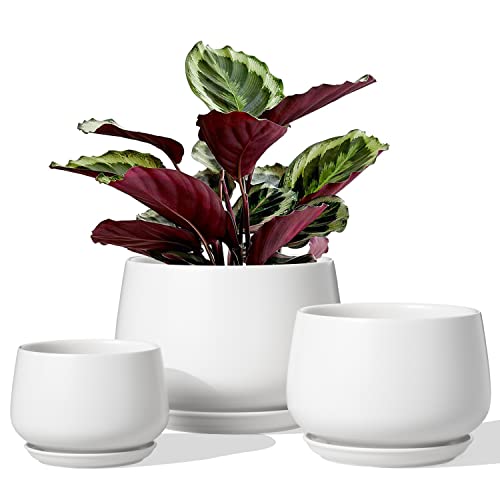
What are the best pots to use for Bromeliads?
Shallow pots with excellent drainage are best. Terracotta or slotted plastic pots allow airflow, which these epiphytic plants need. We also mount some of ours onto cork slabs for an earthy, vertical display.

Read also: How to style flowering houseplants
Watering
How and When to water Bromeliads?
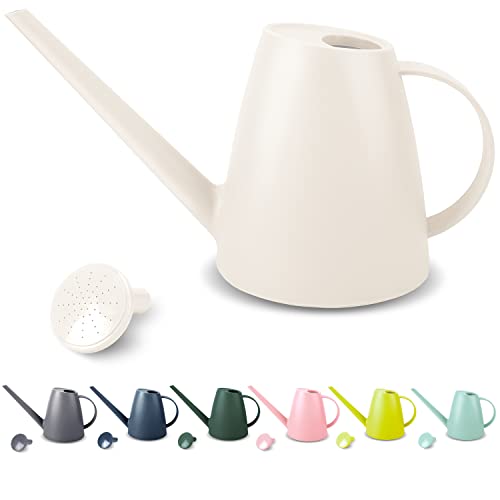
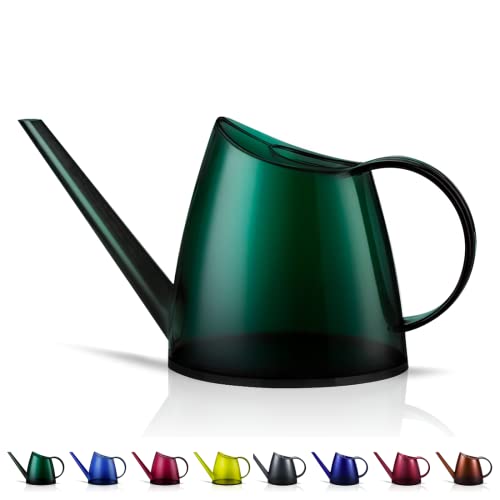
Water the central cup (also called the tank) every 5–7 days, flushing and refilling it regularly to prevent rot. Moisten the soil lightly, not heavily. In drier months, mist the foliage a few times a week, especially if your space is under 50% humidity.
what are the Signs of over or under watering Bromeliads?
Brown, mushy bases or a rotting center mean overwatering or stagnant water. Dry, curling leaves or wilting pups suggest underwatering or too little humidity. We refresh the tank water weekly to prevent buildup.
pruning
how to prune Bromeliads?
Prune to remove old growth or the fading bloom.
- Snip off the flower bract at its base once it browns
- Trim dying outer leaves with clean scissors
- Leave the center intact to allow pups to grow
After pruning, keep the area clean and slightly drier while new growth develops.
Read also: How to prune flowering houseplants
propagating
How to propagate Bromeliads
Propagation happens through pups—small offsets at the plant’s base.
- Wait until a pup is 1/3 the size of the mother
- Gently separate with a clean blade
- Pot in orchid bark mix and water lightly
- Mist daily until roots develop
Roots usually form within 4–6 weeks. Keep warm and humid during this time.
how to care after propagating Bromeliads?
- Post-propagation care: Keep it in bright light but away from harsh afternoon sun. Water sparingly until you see new leaves. Once rooted, care is identical to the parent plant.
Troubleshooting common issues

Why are the tips of my bromeliad leaves turning brown?
Dry air or tap water with fluoride can cause tip burn. Use filtered water and raise humidity.
Why is my bromeliad not blooming?
Lack of light or the plant being too young. Brighten its spot and be patient—it only blooms once.
Why is my bromeliad’s center rotting?
Old water left sitting in the tank is the usual culprit. Flush and refill weekly.
Why is my bromeliad toppling over?
The base may be rootbound or top-heavy. Replant deeper or use a weighted pot.
Why are the leaves of my bromeliad fading?
Too much direct light or not enough fertilizer. Move it a foot back and feed monthly.
Why aren’t pups forming yet?
Pup production can take months after bloom fades. Just keep care consistent.
Why do the leaves have soft spots?
Overwatering or poor drainage. Let it dry out and switch to a chunkier mix.
FAQ
What are the benefits of the bromeliad?
It brings color for months, needs little soil, and adds humidity to dry spaces.
How long do bromeliads live?
Each plant lives 2–5 years and produces pups before fading.
Is the bromeliad toxic to pets?
No, bromeliads are non-toxic to cats and dogs.
Do bromeliads bloom more than once?
No, the mother blooms once, but its pups will bloom eventually.
Can I keep a bromeliad in a bathroom?
Yes—if there’s bright indirect light, it’s a perfect match.
Do I need to keep water in the center tank?
Yes, for most types. Flush and refill every 1–2 weeks.
How long does a bromeliad bloom last?
The colorful bract can last 3–6 months.
Do bromeliads like being rootbound?
They tolerate it well. Repot only when pups overcrowd the pot.
Can I grow bromeliads outside?
Yes, in USDA zones 10–12. Otherwise, bring them indoors before cold hits.
Do African violets like being root-bound?
Yes, they bloom best when a bit snug. Go up one pot size only when needed.
What pests affect bromeliads?
Watch for scale, mealybugs, and gnats. Neem oil and airflow help prevent them.
Is tap water safe for bromeliads?
Use filtered or dechlorinated water. Tap water can damage leaf tips.
Can I mount a bromeliad without soil?
Yes! Mount on cork or driftwood with sphagnum moss and mist daily.
Why won’t my bromeliad pup root?
It needs warmth and humidity. Keep it covered and moist until roots form.
How do I know when to separate a pup?
When it reaches 4–6 inches tall or one-third the size of the mother.
Tips from trusted blogs online
- “The root systems of bromeliads do very little in the way of absorbing nutrients. They’re really there to grab ahold of something. They get their nutrients through the air, essentially. The tank should be full, but be sure to flush it out occasionally.” Source: Reddit
- “I like mounting them on drift wood, or literally any random objects I can find. It’s a lot of fun!” Source: Reddit
- “The tank should be full, but be sure to flush it out regularly (some say once a week, some once a month). Flushing prevents rot from bacterial or mineral buildup.” Source: Reddit
- “I shop my mini bromeliad in our bathroom (west facing, frosted windows). It draws from the shower moisture—it basically takes what it needs when it needs it.” Source: Reddit
- “Bromeliad leaves will burn each other if wrapped tight when wet. I personally wash and then dry plants for 24 h before putting them back together.” Source: Reddit