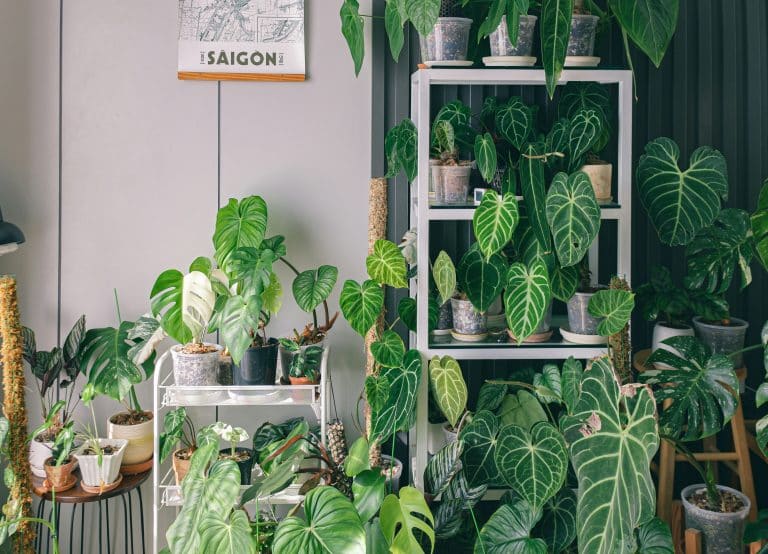
Fiddle Leaf Fig care guide
Discover watering, soil, fertilizing, pests, styling, and troubleshooting tips for Fiddle Leaf Fig from our experience growing and caring for it in our Brooklyn home!

We are an AD-FREE, community driven site. When you purchase through links, we may earn a commission, which helps sustain our blog!
Fiddle Leaf Fig care guide
Care at a glance
How to care for Fiddle Leaf Fig
The fiddle leaf fig features tall, upright growth with large, violin-shaped large leaves that add a bold, sculptural element to any bright room.
- Watering: Water when the top 2 inches of soil are dry; avoid soggy soil to prevent root rot.
- Light and temperature: Needs bright, filtered light; avoid drafts; thrives in 65–85°F.
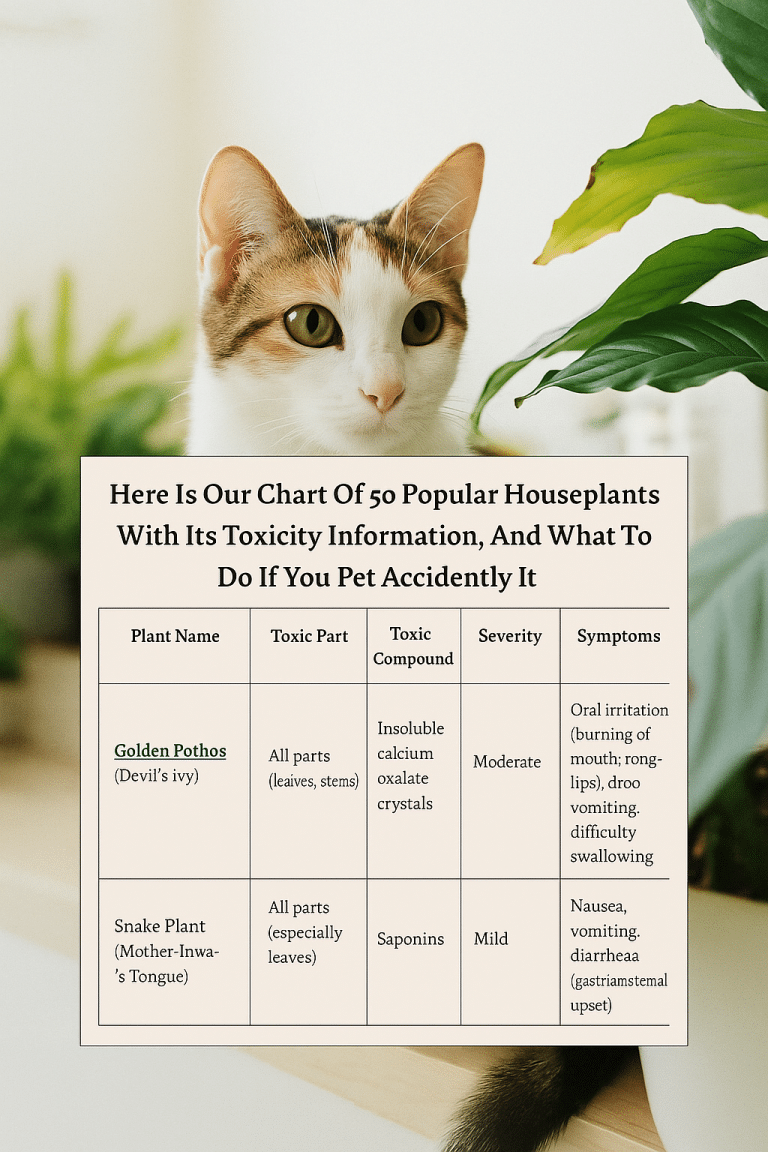
- Toxicity: Moderately toxic; can cause oral irritation and stomach upset in pets (ASPCA).
- Soil and fertilizer: Use rich, well-draining, peat-free mix with perlite and bark; feed monthly in spring/summer.
- One common issue: Brown spots often result from inconsistent watering—stick to a regular routine and check drainage.
- Propagation method: Root a stem cutting with one node in water or moist soil.
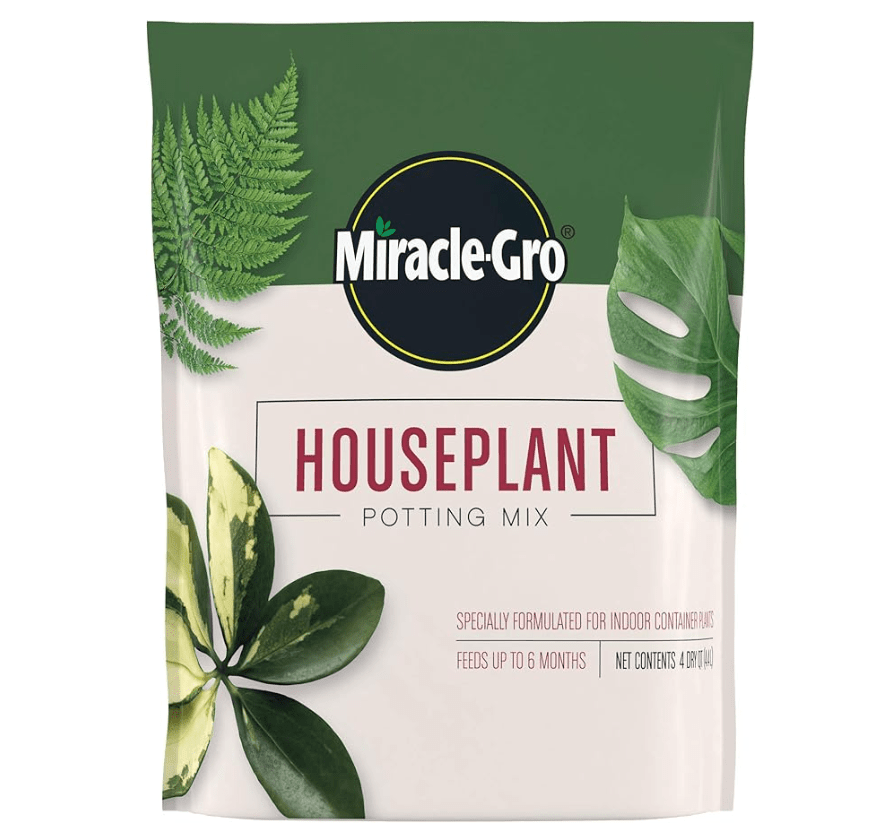
Our favorite soil and fertilizer for Fiddle leaf fig

2. Care mistakes we have learnt to avoid with Fiddle leaf fig plant
- Putting it anywhere except right in front of a bright window: Fiddles hate “bright rooms” that don’t give direct window exposure, and they drop leaves fast when the light is even slightly insufficient. We keep ours right against an east or south window so it gets consistent, strong light all day.
- Watering on a schedule instead of by soil depth: Fiddles drink irregularly based on season, and watering too often causes quick root rot. We only water when the top 2–3 inches are dry and use a chunky mix with bark so the roots stay airy.
- Using a deep or oversized pot too early: Their roots fill pots slowly, and big containers trap water where the plant can’t reach it. We size up gradually and choose tall, well-draining pots that let the root ball dry evenly.
- Ignoring winter drafts and radiator heat: Fiddles drop leaves when exposed to cold gusts or dry heat, even for short periods. We move ours a few inches back from winter windows, keep it away from radiators, and water less because the plant slows down.
3. A real issue we have had with fiddle leaf fig plant in our home
TIt kept dropping perfectly healthy lower leaves even though the soil and watering looked right. The real cause turned out to be light—not drafts or watering—because the plant wasn’t close enough to the window to satisfy its appetite for direct brightness. We pushed it right up against an east-facing window, and the leaf drop stopped within two weeks. (Note: NO direct light for this plant)
lineage and Symbolism
The Fiddle Leaf Fig (aka Ficus lyrata) from the Moraceae family is the kind of plant that takes up space—in the best way. Those glossy, oversized leaves bring structure and mood to a room like nothing else — its one of the most sold and trendy plants in America for a a reason!
In our Brooklyn community home, it’s the plant we gather around when we want a photo to feel elevated or the room to feel a little grand — we have about 3 of them across each floors, in fact. Give it enough light and don’t fuss too much, and it’ll grow into a leafy column of drama and charm. Misting is always a sacred activity for this plant 🙂
The fiddle leaf fig symbolizes abundance, bold self-expression, and upward growth—making it a favorite for those craving renewal or a fresh chapter.


($58)
“It was tiny when i got it and it has now grown at least 5 feet taller in the past two years” – LivelyRoot customer
What we wish we knew before buying
We thought a sunny-looking living room would be enough, but fiddles behave like a totally different plant when they’re not right up against a bright window. Ours kept dropping leaves until we finally pushed it flush with an east-facing window frame. Once it got that intensity of light, the plant stabilized and grew without drama.
Fiddle leaf fig plant care infographic

📋 Use this infographic on your site — copy the code below:
Plant that pairs well with similar care needs

Light and placement
What is the light requirement for Fiddle Leaf Fig?
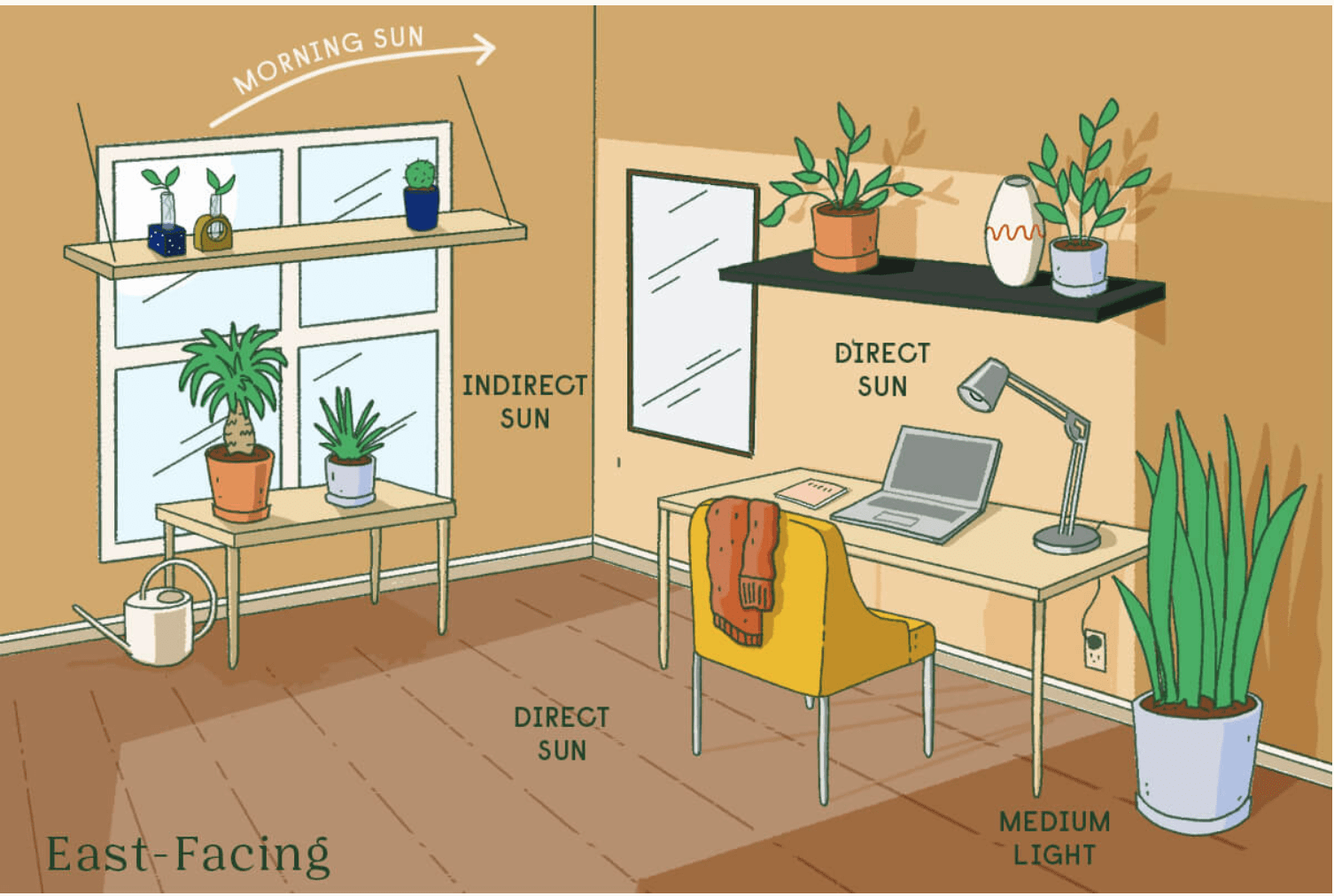
Fiddle leaf figs need bright, indirect light to thrive. Think of the kind of filtered sun you’d get a few feet away from a south-facing window. They can handle a little morning sun, but direct afternoon rays can scorch those big leaves. We’ve seen them thrive near east- and west-facing windows with sheer curtains. We had once kept this out on the fire escape under the sun, and initially the leaves turned golden, and then they browned and fell off 🙁
How to know if Fiddle Leaf Fig is not getting right amount of light?
If it starts leaning dramatically or the leaves grow smaller and sparser, it’s craving more light. Brown or faded patches usually mean it’s getting too much direct sun. When we see those signs, we reposition ours just slightly—these plants don’t like being moved often, though. Rotating them in place is great.
Where to place Fiddle Leaf Fig and where to avoid?
Keep it close to a big window, but not pressed against the glass. A south-facing window with sheer curtains is ideal. Don’t tuck it into a corner or hallway—it needs light from above and from the side. Avoid spots with vents, radiators, or swinging doors that bring in cold air.
How fiddle leaf fig plant behaves through the seasons?
- Spring: Growth finally speeds up, and new leaves appear quickly once days brighten. We water more often because the plant starts drinking again and feed lightly every few weeks. Keeping it right against a bright window helps avoid the skinny, stretched growth that happens in early spring.
- Summer: This is the plant’s strongest season with thick, glossy new leaves. We water deeply but only when the top few inches are dry because heat can trick us into overwatering. Harsh afternoon sun can scorch the edges, so we shift it slightly to avoid direct western light.
- Fall: Growth slows, and the plant becomes more sensitive to changes in watering and light. We reduce watering and stop fertilizing because the roots drink less as daylight fades. Leaf drop happens easily if the plant gets moved, so we keep it in one stable spot near the window.
- Winter: Growth almost stops, and the tree holds steady for months. We water sparingly and pull it a few inches back from cold windows to avoid drafts and brown patches. Radiator heat dries the leaves fast, so we watch for crisping and space the watering even more carefully.
Soil
What soil composition to use for Fiddle Leaf Fig?
This plant likes chunky, well-draining soil with organic matter. We make ours by mixing:
- 2 parts pine bark fines or coconut husk
- 1 part perlite
- 1 part compost or worm castings
It holds moisture just long enough but drains fast to keep the roots breathing.
Best soil to use for Fiddle Leaf Fig?
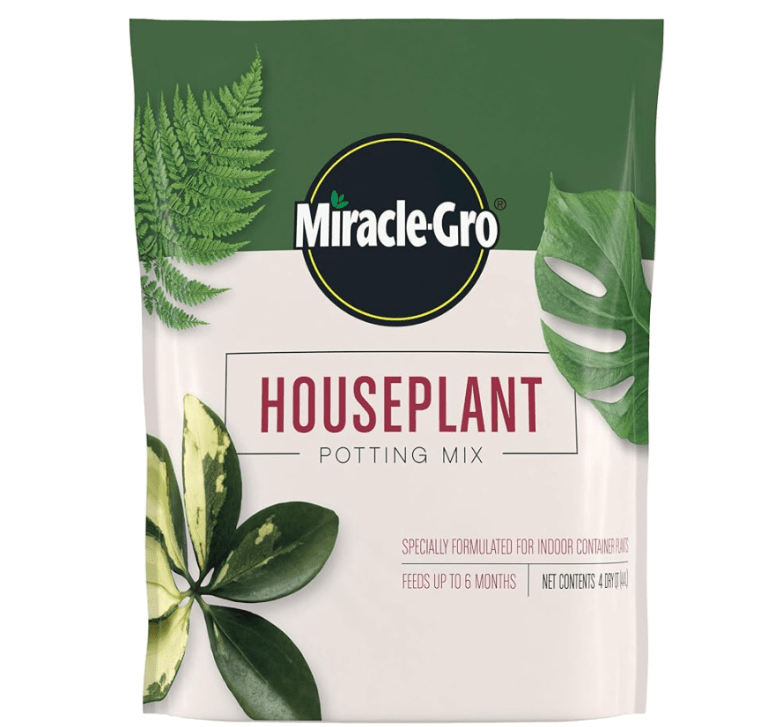
Here is our experienc using Miracle‑Gro Houseplant Potting Mix for fiddle leaf fig:
Post-repotting rebound: Soon after the switch, our fig leaves stood upright and regained vibrancy—they didn’t sag or yellow, which told us the soil refreshed their root environment.
Ideal moisture balance: The mix retains moisture in peat and coir, but drains well thanks to added perlite. It stayed moist long enough between waterings without ever becoming soggy.
Budget-friendly alternative: Despite being labeled “all-purpose,” this mix is frequently recommended for figs as a less expensive yet effective substitute to pricier fig-specific blends.
Temperature and Humidity
What is the best temperature condition for Fiddle Leaf Fig?
Fiddle leaf figs grow best in 65–75°F. A sudden dip below 55°F can cause stress and leaf drop. Ours live far from drafty windows in winter, and we avoid placing them near air conditioners or heaters.
What is the best humidity condition for Fiddle Leaf Fig?
They prefer moderate to high humidity—around 50–60% is ideal. In winter, when our radiators dry the air, we run a humidifier or place the pot on a pebble tray. Mist occasionally if you like, but it’s steady air moisture that makes the difference.


fertilizer
What is the best fertilizer composition to use for Fiddle Leaf Fig?
Use a balanced liquid fertilizer—something like 3-1-2 or 10-10-10 NPK. The nitrogen helps support those big green leaves, while phosphorus and potassium keep the roots and trunk strong. We use organic fish emulsion or kelp blends when we want a gentler feed.
How and when to fertilize Fiddle Leaf Fig?
Start monthly feeding in early spring and continue through late summer. We dilute the fertilizer to half strength and apply after watering so it doesn’t burn the roots. If you prefer low maintenance, slow-release pellets at the start of the season work well too.
DIY tip: We mix 1 tbsp of worm castings into the top layer of soil every 4–6 weeks—it’s low-risk and keeps the plant steadily nourished. If you don’t want to do any of this, please do mist regularly, these plants love it!
What are the signs Fiddle Leaf Fig needs food?
Yellowing older leaves, stunted new growth, or a general “meh” appearance can be clues. If your plant isn’t doing much when the days are long and warm, it probably needs a nutrient boost!
Best fertilizer to use for Fiddle Leaf Fig?

We’ve been feeding our Fiddle Leaf Figs with Plant Magic Organic Fertilizer, and here’s what we found:
- Leaves regained fullness and shine: After monthly feeding during spring and summer, we observed our fig leaves become visibly firmer and deeper green within a week—healthy foliage returned without overloading the plant.
- Gentle enough for slow growers: Fiddle leaves grow slowly and can’t handle strong feeds—this formula gives them just the right lift without causing leaf drop or stress, even in smaller pots.
- Reliable baseline feed: For ongoing care, Plant Magic keeps our fig steady and vibrant. If growth slows or yellowing starts, we’ll augment with a high-nitrogen (3-1-2) liquid feed, then return to the monthly organic ritual.
Pots and planters
What are the best pots to use for Fiddle Leaf Fig?
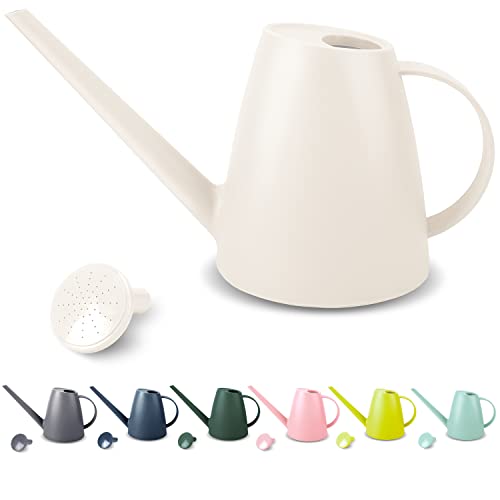
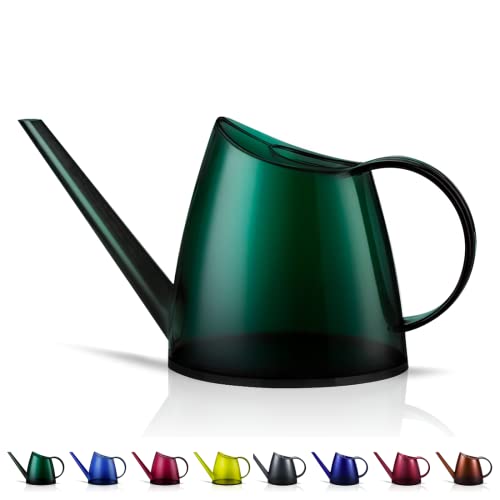
Heavy, stable pots are your best friend. These plants get tall and top-heavy fast. We use ceramic or concrete planters with drainage holes, at least 2 inches wider than the root ball. Make sure it’s not sitting in water—elevated pot feet or a chunky bottom layer of bark can help.


Watering
How and When to water Fiddle Leaf Fig?
Water when the top 2 inches of soil feel dry—stick your finger in to check. Then give it a slow, deep soak until water drains out the bottom. Always let it drain completely; never let the pot sit in water. In our home, that means watering every 7–10 days in summer and every 2–3 weeks in winter.
what are the Signs of over or under watering Fiddle Leaf Fig?
Soft, brown patches and dropping lower leaves? That’s usually overwatering. Dry, curled edges or droopy leaves often mean it’s thirsty. We adjust gradually and check the soil before every water to avoid overcorrecting.
pruning
how to prune Fiddle Leaf Fig?
Prune in spring to shape, control height, or encourage branching.
- Use sharp, sterile shears
- Cut just above a node (where leaves grow)
- Remove no more than 10–20% of the plant at once
- Wipe sap off cleanly if it bleeds
Post-pruning, keep it in bright light and don’t water heavily. The cut ends may sprout new stems—if you want more fullness, this is the trick.
propagating
How to propagate Fiddle Leaf Fig
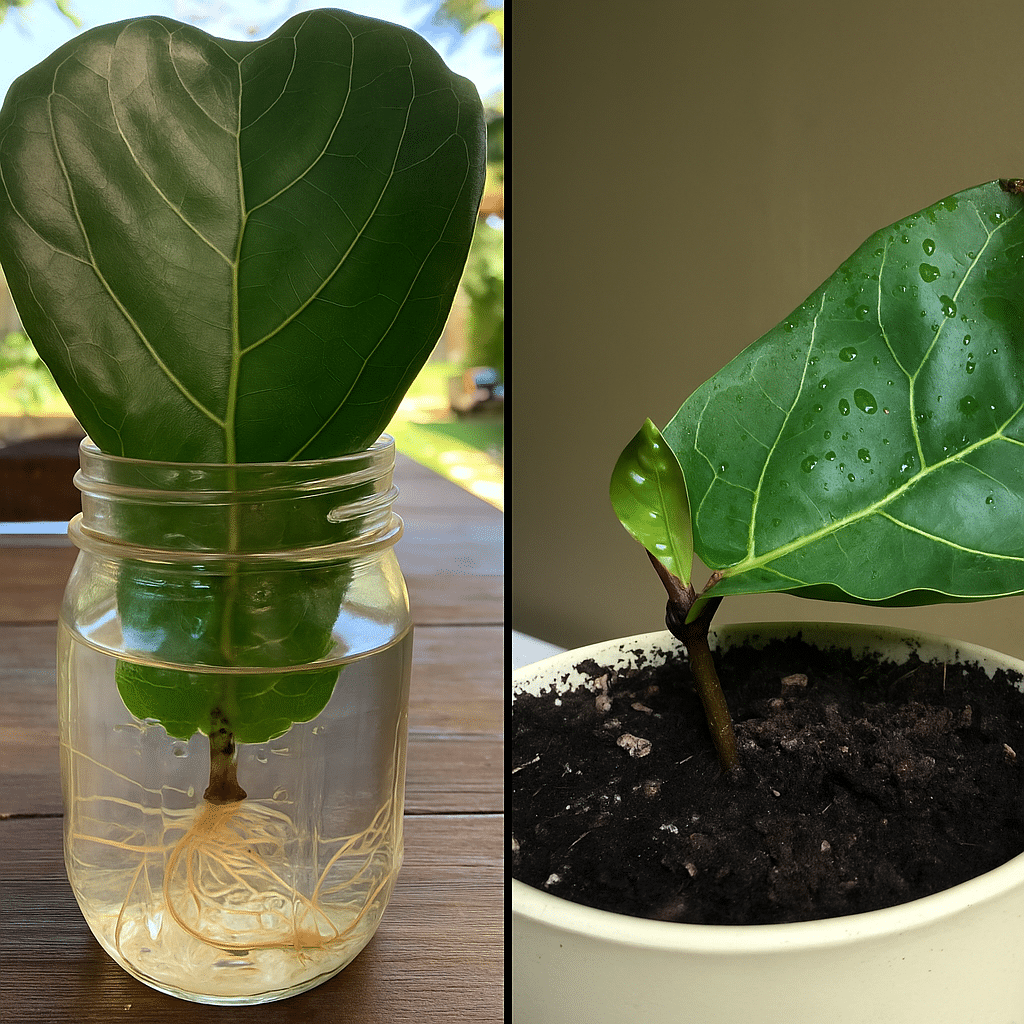
Method: Stem cuttings in water work best.
- Take a 6–8″ stem with 1–2 leaves
- Let it callous overnight
- Place in filtered water near bright, indirect light
- Change water weekly
Roots appear in 4–6 weeks. Pot it up when roots reach 2–3″ and keep lightly moist while it establishes.
how to care after propagating Fiddle Leaf Fig?
- Post-propagation care: Keep it in bright light but away from harsh afternoon sun. Water sparingly until you see new leaves. Once rooted, care is identical to the parent plant.
Troubleshooting common issues

Why are the leaves of my fiddle leaf fig turning brown at the edges?
Dry air or inconsistent watering causes crisp edges. Boost humidity and water deeply but less often.
Why are leaves falling off my fiddle leaf fig?
Leaf drop often follows overwatering, drafts, or major changes in placement. Keep conditions steady and resist the urge to move it.
Why are there dark spots on my fiddle leaf fig leaves?
Dark blotches usually mean root rot or a fungal issue. Let the soil dry out, check for mushy roots, and repot if needed.
Why is my fiddle leaf fig not growing?
Dormancy, low light, or poor nutrition can stall growth. In spring, increase light and begin feeding again.
Why are the leaves of my fiddle leaf fig drooping?
Drooping usually means it’s thirsty or rootbound. Check the soil and the pot size.
Why is my fiddle leaf fig leaning to one side?
It’s growing toward the light. Rotate it every few weeks or add a stake if needed.
Why are new leaves smaller than the older ones?
That’s often a sign of low light or nutrient deficiency. Adjust both for larger, healthier growth.
FAQ
What are the benefits of the fiddle leaf fig?
Beyond being a bold visual anchor, it helps with humidity and contributes to indoor air freshness.
How tall does a fiddle leaf fig grow indoors?
It can grow 6–10 feet or more indoors if it gets enough light and root space.
Is the fiddle leaf fig toxic to pets?
Yes, it’s moderately toxic to cats and dogs if chewed. They can cause vomiting, and diarrhea
Can I grow a fiddle leaf fig in low light?
Not really—it needs bright, indirect light to stay healthy. They will either stagnate or die in low light.
Do fiddle leaf figs like being misted?
Occasional misting is fine, but what they really need is consistent room humidity.
Can jade plant grow in low light?
Not well. It survives but gets leggy and pale—bright light is best.
How do I clean fiddle leaf fig leaves?
Wipe gently with a damp cloth every couple of weeks. This helps photosynthesis and keeps it looking great.
Can I keep my fiddle leaf fig outdoors in summer?
Yes, if temps are above 60°F and it’s protected from intense sun. Bring it in before fall. And it shouldn’t get direct sun whatsoever!
Why is my fiddle leaf fig getting leggy?
It’s extremely rare—they’re prized for foliage, not blooms.
What’s the difference between fiddle leaf fig bush vs tree?
Bushes have multiple trunks and a fuller shape. Trees are trained to have one tall stem.
Should I repot my fiddle leaf fig?
Yes, every 1–2 years or when roots circle the pot. Move up just one size. We do this about once in 2 years.
Do fiddle leaf figs like rainwater?
They love it. Rainwater is soft and chemical-free—ideal for sensitive roots.
Is my fiddle leaf fig getting too much sun?
If leaves look bleached or scorched, pull it back from direct sun. They might turn golden first, and then they will turn brown and fall offf.
Can I grow a fiddle leaf fig from seed?
Not easily. Cuttings are far more reliable!
What pests affect fiddle leaf figs?
Common ones include scale, spider mites, and mealybugs. Neem oil sprays every few weeks help prevent infestations.
Tips from trusted blogs online
- “I washed out the roots completely and trimmed off some rotten pieces and let them sit for a while before repotting. I put gravel in the bottom to help with drainage.” Source: Reddit
- “I baked the potting soil at 350°F for 2 hours before using it—got rid of little insects and my fiddle finally started thriving.” Source: Reddit
- “I water by testing the soil with a bamboo skewer like you test a cake—when it comes out almost clean, I water. That’s worked better than any strict schedule.” Source: Reddit
- “My fiddle-leaf fig was in a west-facing window and all its leaves fell off. I moved it to a south-facing window and it exploded in growth—same room, just different exposure.” Source: Reddit
- “I stop rotating it every couple months. Letting it grow toward light naturally resulted in a much fuller, balanced canopy.” Source: Reddit