Jade plant care guide
Discover watering, soil, fertilizing, pests, styling, and troubleshooting tips for Jade Plant from our experience growing and caring for it in our Brooklyn home!

We are an AD-FREE, community driven site. When you purchase through links, we may earn a commission, which helps sustain our blog!
Jade Plant care guide
Care at a glance
How to care for Jade Plant
The jade plant grows upright with thick, oval-shaped, glossy green leaves on woody stems, forming a compact, bonsai-like shape over time. Its one of the easiest trailing plant to care!
- Watering: Allow the soil to dry out completely between waterings; water deeply but infrequently.
- Light and temperature: Needs bright light with some direct sun; thrives in 65–80°F.
- Toxicity: Mildly to moderately toxic to pets; may cause vomiting or lethargy (ASPCA).
- Soil and fertilizer: Use gritty, well-draining, peat-free cactus mix with sand or perlite; feed sparingly once a season.
- One common issue: Soft or wrinkled leaves signal underwatering—water thoroughly and resume regular checks.
- Propagation method: Let a leaf cutting callous, then plant in dry soil to root.
Our favorite soil and fertilizer for Jade plant

2. Care mistakes we have learnt to avoid with Jade plant
- Watering before the soil fully dries: Jades store water in their leaves, and wet soil sits around the roots far longer than you think. We let the mix dry completely and use a gritty blend with sand and perlite so the roots never sit damp.
- Keeping it too far from strong light thinking it’s “low-maintenance”: Jades stretch fast in medium light and lose their thick, compact shape. We keep ours right against a south or west window so it gets hours of direct sun.
- Using a deep or oversized pot that traps moisture at the bottom: Their roots spread slowly and don’t fill big pots for years, which leaves the lower mix wet and stagnant. We use shallow, heavy pots that let the soil dry evenly and help support the plant’s weight.
- Watering in winter as if it’s still summer: Jades almost stop drinking when the apartment cools down, and winter watering is the fastest way to cause root rot. We water sparingly and only during warm, bright spells so the plant uses what we give it.
3. A real issue we have had with Jade plant in our home
The lower leaves kept turning mushy even though the top of the soil looked bone-dry. The real issue turned out to be the pot depth—the bottom half of the mix was staying wet for days while the top dried fast in our warm apartment. We switched to a shallow, gritty pot and the mushy leaves stopped completely.
lineage and Symbolism
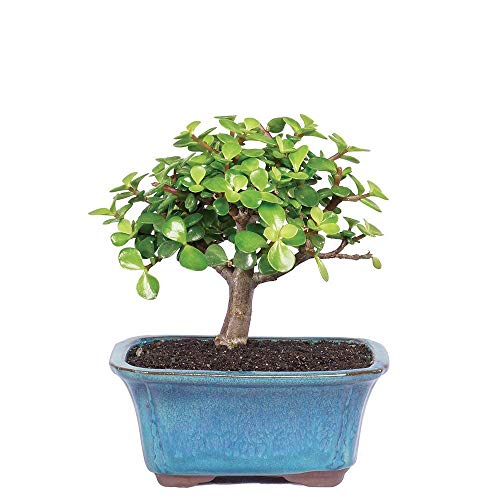
The jade plant (Crassula ovata) is one of those houseplants that feels both sculptural and nostalgic at the same time. In our Brooklyn home, it’s often the first succulent we recommend to new plant parents—it’s forgiving, tidy, and quietly beautiful.
Its thick, oval-shaped leaves store water, making it an excellent candidate for sunny spots and low-maintenance routines. It can also grow fairly big (up to 4 feet! and bush)
The jade plant symbolizes prosperity and luck, which is why it’s often called the “money plant.” It’s especially suited to Taurus and Capricorn—both signs that appreciate groundedness, routine, and resilience.
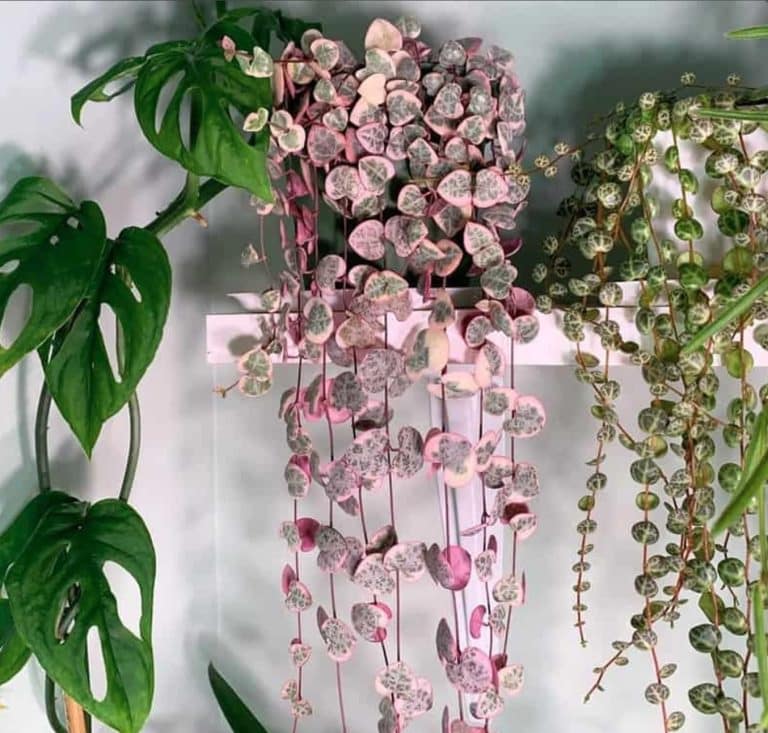
Read also, other succulents: Hoya Kerrii, Hoya Rope, White christmas cactus, string of pearls

$50
“Jade plant flowers sometimes and it is just best surprise ever!
What we wish we knew before buying
It looks indestructible, but it’s actually slow and picky about soil dryness: We assumed a jade would handle casual watering, but even one extra watering in a partially damp pot caused leaf drop. The plant grew much slower than we expected, and it only stabilized once we let the soil dry completely between waterings and switched to a gritty mix. After that, it finally behaved like the sturdy plant people rave about.
Plant that pairs well with similar care needs
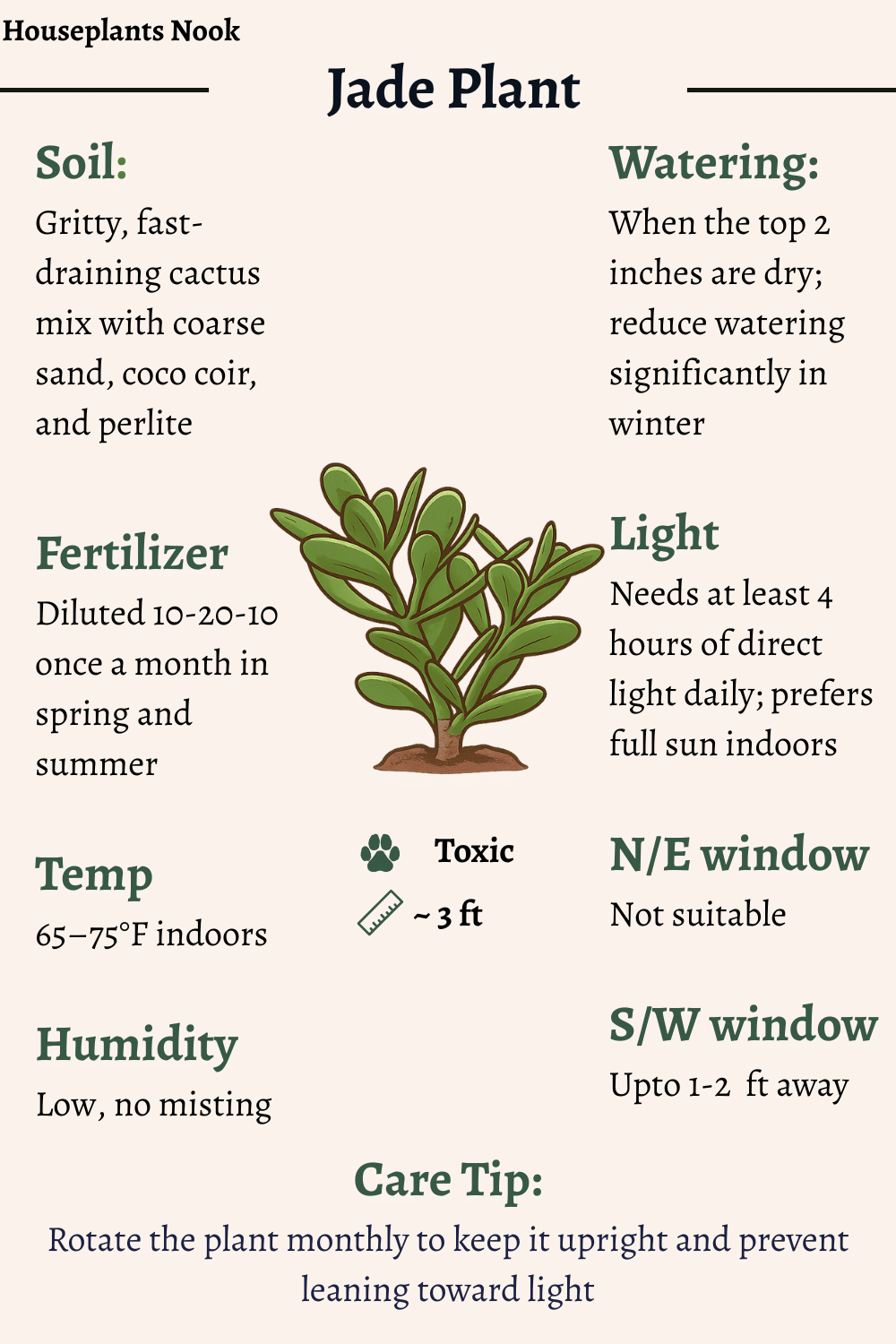
Jade plant plant care infographic
📋 Use this infographic on your site — copy the code below:
Light and placement
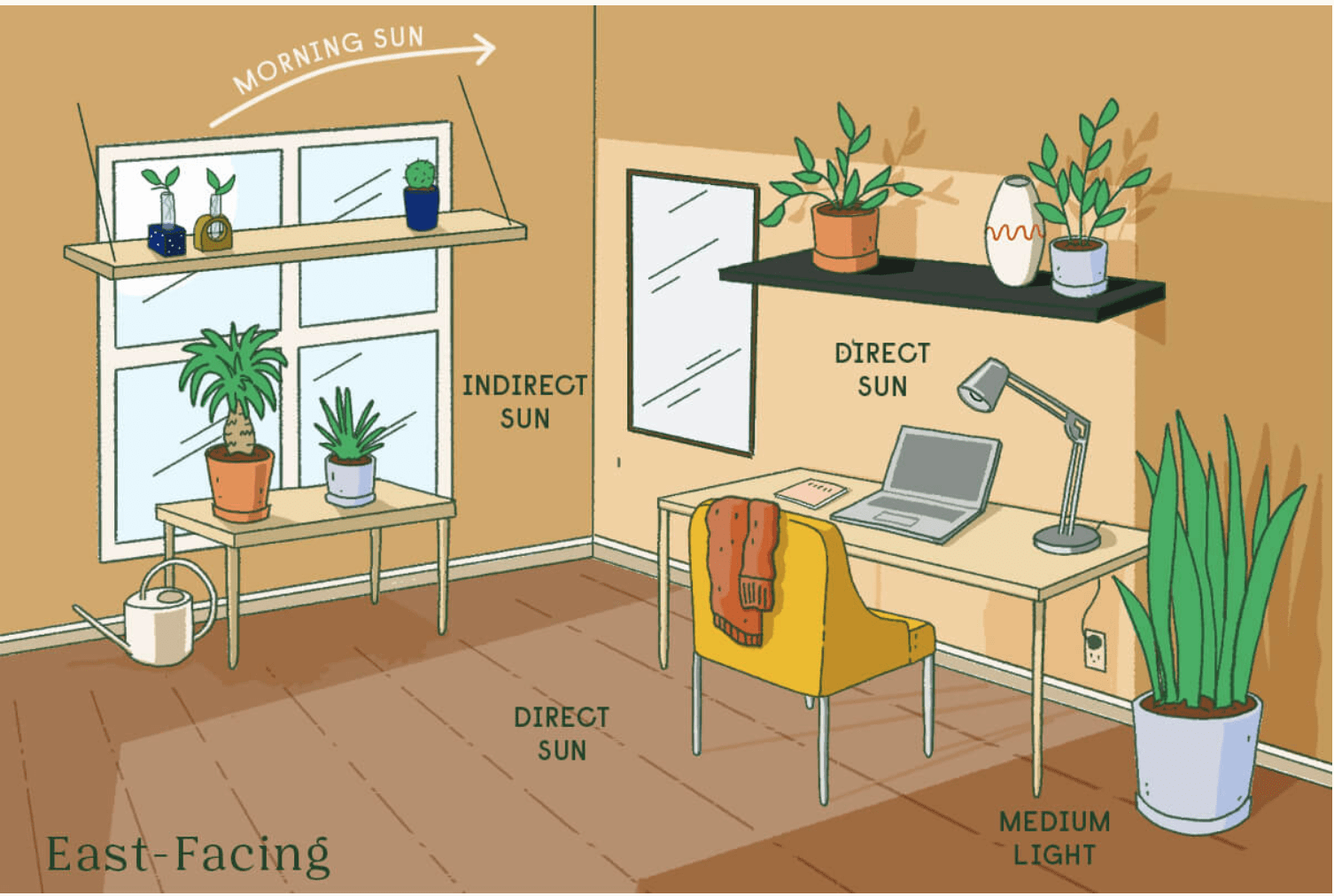
What is the light requirement for Jade Plant?
Bright light is non-negotiable. Jade plants love full sun and need at least 4–6 hours a day to maintain their compact shape. In our experience, they get leggy and pale when deprived of sun. If your brightest window is east- or west-facing, make sure they’re right up against the glass!
How to know if Jade Plant is not getting right amount of light?
When jade doesn’t get enough light, it’ll grow tall and stretched with thin stems and large gaps between leaves. The vibrant green can fade, and new growth may droop. We’ve also noticed that leaves feel softer and lose their plump texture when light is too low.
Where to place Jade Plant and where to avoid?
Place your jade plant on a bright, south-facing windowsill if possible. It thrives in spots that get several hours of direct sun. Avoid dim corners or areas with frequent temperature shifts—drafty windows and air conditioners can stress it out. We keep ours near the kitchen window, away from heaters or vents. It looks very aesthetic, and vintage in kitchens (or reading rooms!)
Avoid placing it near drafty doors or vents, especially during winter, and never in a dim hallway or shaded corner. Low light slows growth dramatically and can cause leaf curl or stunted stems.
Read also: our guide to making trailing plants grow longer vines, and making them climb
How Jade plant behaves through the seasons?
- Spring: Growth wakes up slowly, with new leaves forming at the tips. We water a little more often but only when the soil is fully dry, and we keep it right against a south or west window for stronger light. The only issue is giving fertilizer too early, which makes new leaves soft, so we wait until growth is steady.
- Summer: This is the jade plant’s strongest season with firmer leaves and faster tip growth. We water more deeply but still infrequently because heat can hide how wet the soil stays at the bottom. Harsh afternoon sun can scorch the edges, so we shift ours a few inches back from the window during peak heat.
- Fall: Growth slows sharply, and the plant starts storing water again. We cut watering almost in half and stop fertilizing. The biggest issue is overwatering as temperatures drop, so we wait for bone-dry soil even if the top dries faster than the bottom.
- Winter: Growth nearly stalls and the plant becomes extremely sensitive to cold drafts. We water very sparingly and only on brighter, warmer days so the soil dries eventually. Radiators can crisp the leaf edges, so we keep it slightly away from heat sources and avoid moving it around.
Soil
What soil composition to use for Jade Plant?
Use a coarse, gritty mix with excellent drainage. We mix cactus soil with added perlite or pumice for extra airflow. Avoid any peat-based mixes—they hold too much moisture. A small pot with drainage holes helps prevent soggy roots, which jade absolutely hates.
Best soil to use for Jade Plant?
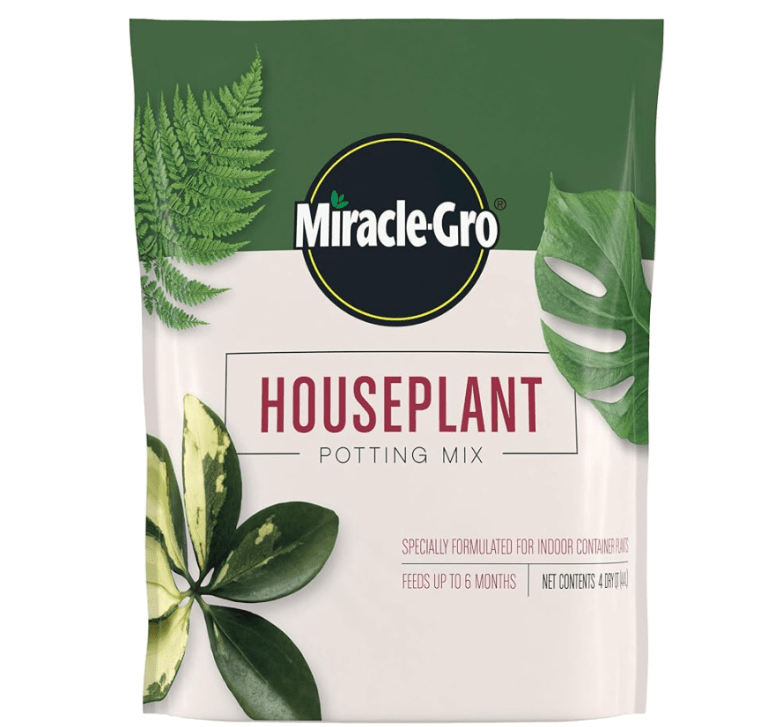
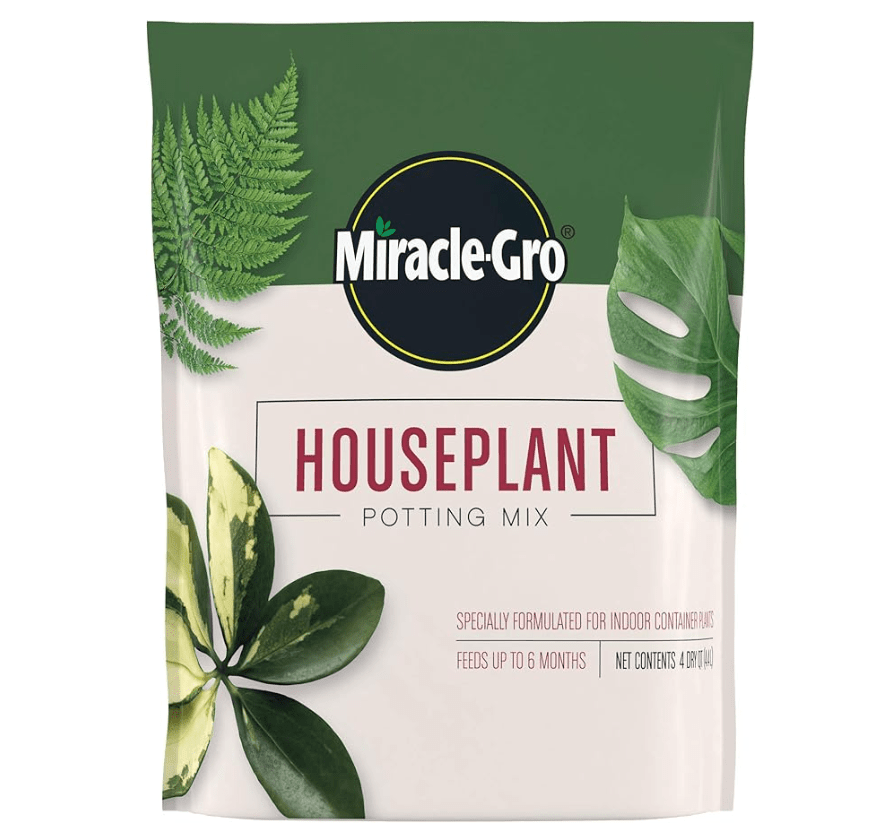
We’ve switched our Jade Plants into Miracle‑Gro Succulent Potting Mix and here’s what really stood out:
No more soggy soil stress: Previously we struggled with overwatering, but this mix gave us well-draining moisture—just what Jade needs. Our plants perked up and looked healthier almost immediately.
Crisp, firm foliage: The soil brought out greener, firmer leaves and encouraged steady new growth—plants felt more robust, like they’d been revitalized.
Convenient but improvisable: It came ready-to-use and plant-health-promoting, but some of us found adding perlite or grit improved drying time and helped simulate that gritty, desert-like feel Jade loves.
Temperature and Humidity
What is the best temperature condition for Jade Plant?
Jade plants prefer daytime temperatures between 65–75°F and cooler nights around 50–55°F. Ours has done best near draft-free windows during winter and loves the warm, sunny days of summer. Sudden chills can scar the leaves, so keep it away from open windows in fall.
What is the best humidity condition for Jade Plant?
They don’t need high humidity at all—in fact, too much can cause root issues or mold. Normal indoor humidity (30–50%) is perfect. We’ve had no problem leaving ours out in the drier parts of the house all year.


fertilizer
What is the best fertilizer composition to use for Jade Plant?
Look for a balanced liquid fertilizer like 10-10-10 or 20-20-20 with micronutrients. Some growers prefer a slightly higher nitrogen mix to push foliage growth, especially for young plants. We like organic fish emulsion monthly during spring and summer for lush, green growth.
How and when to fertilize Jade Plant?
Fertilize during the active growing season—spring and summer—once a month. We skip it entirely in fall and winter. Use half-strength liquid fertilizer and water the plant first so the nutrients don’t burn the roots. If you forget a month, it’s no big deal.
What are the signs Jade Plant needs food?
Pale or stunted new leaves, slowed growth, or wrinkling between waterings might mean your jade needs a boost. We’ve noticed ours looks extra vibrant and plump within two weeks of a good feed in early spring.
Best fertilizer to use for Jade Plant?
We’ve tried Grow Co Succulent & Cactus Plant Food on our Jade plants, and here’s what stood out:
- Plumper leaves and visible growth in weeks: After starting the succulent feed, our Jade’s leaves noticeably firmed up, and new branches showed more robust growth.
- Light and easy feeding rhythm: We mix it into every other watering—around twice a month in spring and summer—and it’s simple, mess-free, and fuss-free.
- No burn, even in small pots: We’ve seen Jade plants thrive without browning or stress, even when I’ve forgotten a feed or two. The balance is forgiving and consistent.
- Supports without overdoing it: For regular care, this fertilizer keeps our Jades strong. If we repot, we might add a quarter-strength balanced feed once, but otherwise this is enough.
Pots and planters
What are the best pots to use for Jade Plant?
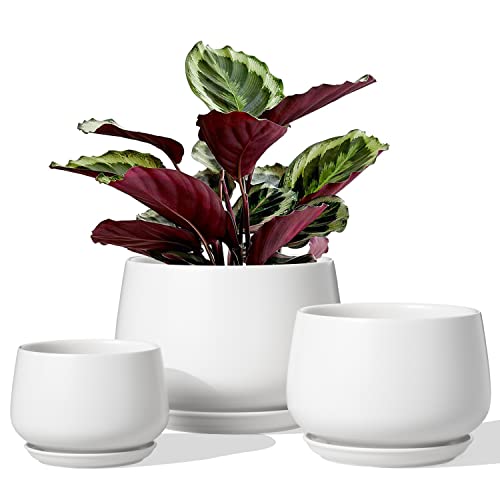
Unglazed terracotta pots are our go-to. They wick away moisture and help prevent root rot, which is very important for this plant. Shallow pots are ideal because jade has a wide but not deep root system. Always use one with a drainage hole—no exceptions!!

Read also: Best hanging baskets, and best trellises for hanging plants. And our guide to styling trailing houseplants
Watering
How and When to water Jade Plant?
Jade plants should be watered only when the soil is bone dry. Stick your finger deep into the pot—if it’s dry at least 2 inches down, go ahead and water thoroughly. Then let it fully drain. We water ours about every 2–3 weeks in summer and once a month in winter.
what are the Signs of over or under watering Jade Plant?
Mushy, yellowing leaves that drop off easily point to overwatering. On the other hand, if leaves shrivel or wrinkle deeply, it’s likely thirsty. We’ve rescued underwatered jades more successfully than overwatered ones—it’s better to err on the dry side.
pruning
how to prune Jade Plant?
Pruning keeps jade compact and encourages branching.
- Prune in spring or early summer, during active growth.
- Use sharp scissors to snip just above a leaf node.
- Remove any leggy or top-heavy branches to restore balance.
- Trim off any damaged or yellowing leaves.
- Don’t remove more than 20–30% of the plant at once.
- Gloves can help if you’re sensitive to the sap.
Post-pruning care: Place it in a bright, warm area and skip fertilizing for a week. Let cut ends callous over naturally—no need to apply anything. It’ll bounce back quickly with new, stubby growth.
propagating

How to propagate Jade PlantMethod:
Propagating this trailing plant: Stem cutting in soil
- Use sharp scissors to take a 3–5 inch stem with at least two leaves.
- Let the cutting sit out for 2–3 days until the cut end is calloused.
- Fill a small pot with dry cactus mix.
- Insert the cutting about 1 inch into the soil.
- Don’t water immediately—wait 4–5 days, then give it a light soak.
- Place in bright, indirect light and wait 2–4 weeks for roots.
how to care after propagating Jade Plant?
- Post-propagation care: Keep it in bright light but away from harsh afternoon sun. Water sparingly until you see new leaves. Once rooted, care is identical to the parent plant. Read also: Our guide to propagating trailing houseplants
Troubleshooting common issues

Why are the leaves of jade plant wrinkling?
Lack of water causes leaves to wrinkle and shrivel. Water deeply, then let soil dry out again.
Why are the leaves of jade plant yellowing?
Overwatering is usually the culprit. Let the soil dry completely and adjust watering schedule.
Why is my jade plant dropping leaves?
Sudden environmental changes or overwatering can cause leaf drop. Stabilize location and water routine.
Why is my jade plant leggy?
Insufficient light leads to stretched growth. Move it to a sunnier window.
Why is my jade plant turning red?
Sun stress can cause reddish leaf tips. It’s not harmful but consider moving it slightly back.
Why does my jade plant look dull or faded?
Nutrient deficiency or dusty leaves. Wipe leaves and fertilize lightly in spring.
Why is my jade plant not growing?
Dormancy in fall/winter or lack of light. Growth resumes in spring with good light and feeding.
FAQ
What are the benefits of the jade plant?
It’s low-maintenance, long-lived, and said to attract wealth and good energy.
Is jade plant toxic to pets?
Yes, it’s mildly toxic to cats and dogs if ingested.
How big can a jade plant get indoors?
With age, it can grow up to 3–4 feet tall and wide indoors.
Can I keep jade plant in the bedroom?
Yes, as long as the room gets bright light—it does fine in bedrooms.
How often should I repot a jade plant?
Every 2–3 years, or when roots start circling the pot.
Can jade plant grow in low light?
Not well. It survives but gets leggy and pale—bright light is best.
Why is my jade plant leaning?
Uneven growth due to light direction. Rotate it weekly to balance.
Can I grow jade plant outdoors?
Yes, in USDA zones 10–12 or during summer. Bring it in before frost.
Does jade plant clean air?
It contributes slightly to air purification, but not as much as larger plants.
Can I grow multiple cuttings in one pot?
Yes, we’ve done this to create fuller, bushier plants—just space them out.
How do I thicken the trunk of my jade plant?
Provide lots of light, prune regularly, and don’t overwater.
Why are the stems of my jade plant soft?
This usually means overwatering or root rot. Check roots and repot if needed.
Can jade plant bloom indoors?
Rarely, but it can with lots of sun and dry winters. Small white flowers may appear.
What pests affect jade plant?
Mealybugs are the most common. Remove with alcohol-dipped cotton swabs.
Should I mist my jade plant?
No, it doesn’t like extra humidity—misting can encourage rot.
Tips from Trusted blogs online!
- “Mine are pretty happy with indirect bright light, being potted in succulent soil (no amendments) in a terracotta pot (to help wick any extra moisture), bottom watering when the leaves start to look dull and feel a bit more pliable, and liquid succulent fertilizer being mixed into their water once a month-ish.” Source: Reddit
- “It’s very thirsty. Watering once a month can be great advice but when soil is dry it’s hydrophobic and water runs right through without getting soaked up. Let it sit in water for at least 30 minutes.” Source: Reddit
- “My grandma would just pinch the mother plant with her fingers and throw the cutting into the backyard. I went down to see the area where she was throwing the cuttings and there was a whole sea of jade thriving.” Source: Plant Savvy
- “I water my jade about once a month through the winter. Just yesterday I noticed that it’s now not frequent enough and she’s looking thirsty. Our plants are reacting to that great spring sun.” Source: Reddit
- “If you see blisters forming on the leaves, the plants are getting too much water, so ease up on the frequency and amount.” Source: Miracle-Gro