5 Pet Safe trailing Indoor plants(& Where to Buy!)
Explore our curated list of best pet safe trailing houseplants (ASPCA listed), grown in our Brooklyn community home. Discover the care and maintenance tips, along with how to decorate them in your home!
We are an AD-FREE community driven site. When you purchase through out links, we earn an affiliate commission, which helps sustain our blog!
Trailing indoor plants add life in a way few others do—they soften shelves, spill from hanging planters, and make a room feel lived-in. But if you share your home with cats or dogs, that trailing beauty can quickly turn into a worry. Dangling vines are tempting, movement catches attention, and suddenly every plant choice feels like a risk assessment.
In this guide, we’re sharing trailing plants that are genuinely non-toxic and realistic for pet-friendly homes—plants that bring flow and softness without constant stress.
Note: we have cross referenced this list with ASPCA to be doubly sure. We also have a handy cat toxicity chart for an exhaustive list. Try our Best Indoor Plants tool for a personalized plant recommendation.
Read also: Pet safe purple plants, Pet safe pink plants, and pet safe low light indoor trees
Summary:
What are the best pet safe trailing Indoor plants?
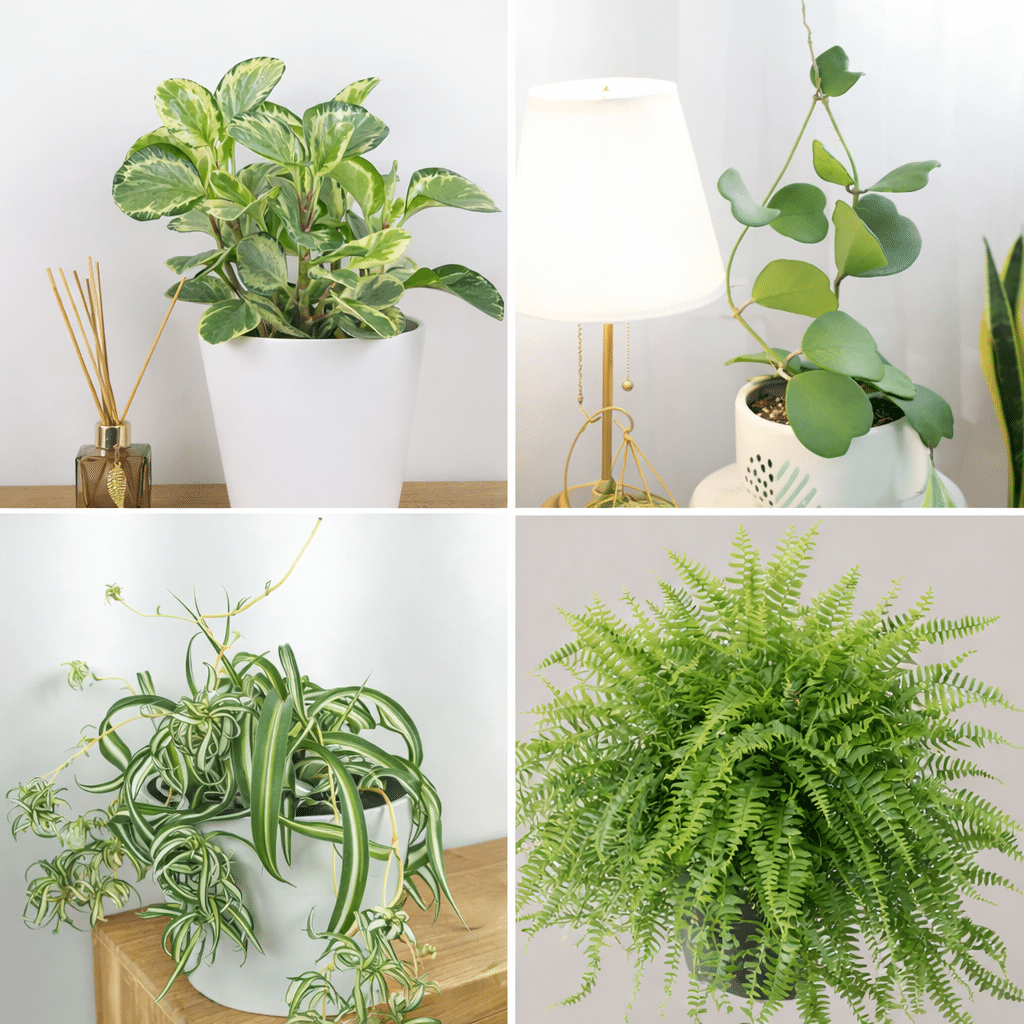
Best pet safe trailing houseplants are: Lipstick plant, Boston Fern, Birds Nest Fern, Spider plant, Hoya plant and Peperomia plant.
Here are our 5 pet safe trailing Indoor plants
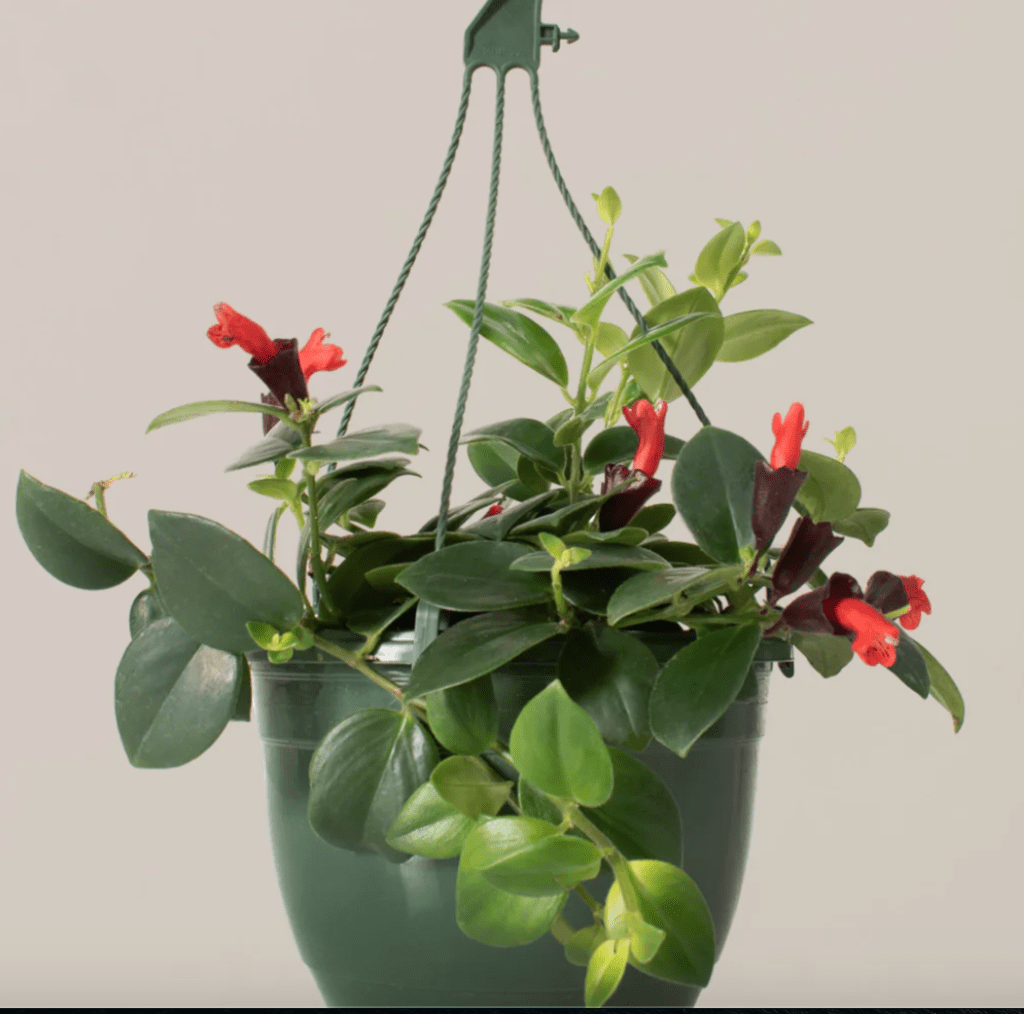
1. Lipstick plant
Pet safe
Medium to Bright light
Grows upto 4 feet
East/west facing windows
Pet safe
Bright/medium, light
grows to 4 feet
east/west facing windows
This charming trailing indoor plant belongs to the Gesneriaceae family. We love its dark green, waxy leaves, which elegantly cascade from hanging planters. The leaves themselves are oval and slightly pointed that add a touch of texture and depth to your decor.
The most striking feature is its vibrant, tube-shaped flowers (Refer our list of flowering houseplants for more info). These buds, resembling a tube of lipstick, pop open to reveal a burst of red or orange. They typically bloom in summer and last a few weeks. Our Lipstick Plant is placed it in the east-facing reading room where it can enjoy the morning sun!
Reade more: Lipstick plant care guide
Care tip:
- Thrives in bright – indirect light. Water it when the top inch of soil feels dry, about once a week, but avoid soggy soil to prevent root rot.
- Look for leaves curling or browning which is a sign it needs more humidity – so a misting every few days will help
Propagation tip:
- Cut a 4-6 inch stem just below a leaf node, remove the lower leaves, and place it in a jar of water; roots will sprout in 2-3 weeks, then transfer to well-draining potting mix once roots are 1-2 inches long
Symbolism and zodiac signs:
- Symbolizes joy and vibrant energy, making it perfect for enthusiastic and nurturing Leos who thrive on bringing life and color into their spaces
Pros and cons


$58
“The flowers of the lipstick plant are the best! like tiny lipstick buds!” – Amazon customer
2. Spider Plant
Pet safe
low/medium light
Grows upto 4 feet
East/north facing windows
Pet safe
Low/medium, light
grows to 4 feet
east/North facing windows
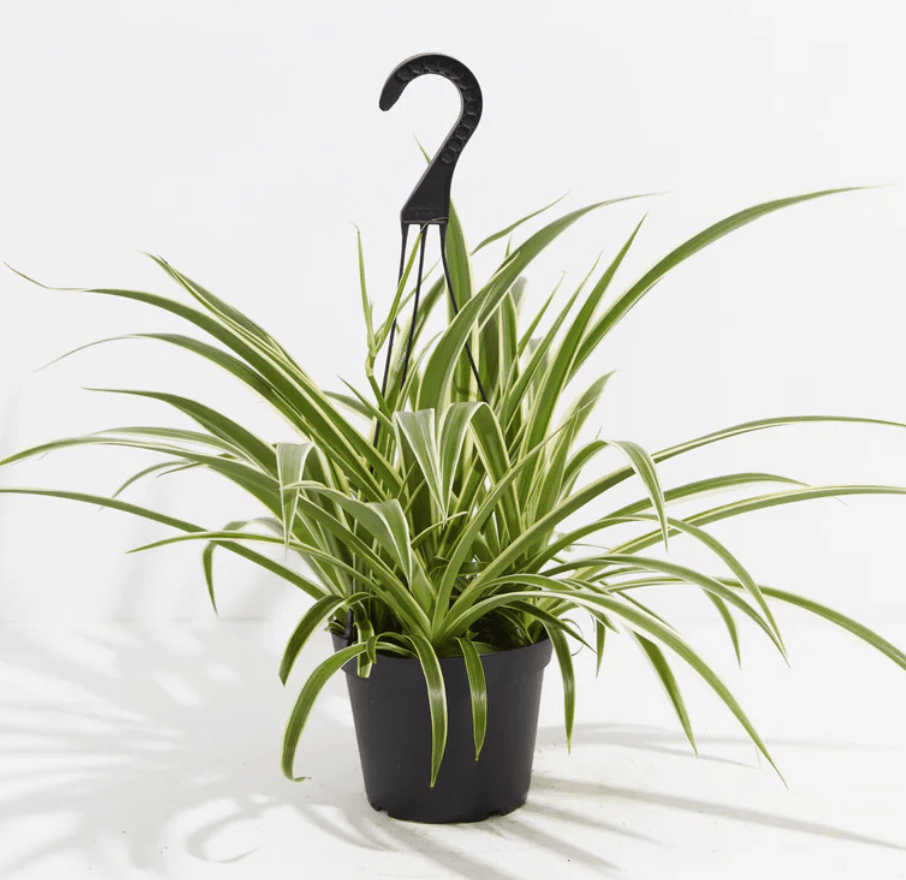
The Spider Plant (aka Chlorophytum comosum): This Trailing indoor plant is a member of the Asparagaceae family. It is super slender, has arching leaves, and boasts a bursting green with a distinctive creamy white stripe running down the center. This plant doesn’t just sit pretty—its cascading foliage can look stunning in hanging baskets or even in high shelves where you don’t get much sunlight.
We have placed our Spider Plant in the east-facing reading room, where it benefits from a lot of indirect light. Occasionally, the Spider Plant produces small white flowers and spawns mini “spiderettes” that can be propagated easily. Personally, we’ve styled it in a maroon ceramic pot that complements both the plant and the decor of our rustic reading room.
Read also: Curly spider plant care and Hawaiian spider plant care
Care tip:
- Water weekly, allowing the top inch of soil to dry out between waterings.
- Place in bright, indirect light and avoid direct sunlight to prevent leaf scorch.
- Browning leaf tips can indicate fluoride sensitivity – try using distilled or rainwater.
Propagation tip:
- Place a spiderette in a glass jar filled with room temperature distilled water. Only roots are submerged, not the leaves.
- Place the jar in bright, indirect light and change the water every week or so to prevent stagnation.
- Roots should start to appear within a week or two. Once they are 2-3 inches long, transfer to soil.
Symbolism and zodiac signs:
- The Spider Plant symbolizes abundance, and purity, and good luck because of its prolific nature in producing offshoots. Perfectly suited for Virgo’s who are known for their attention to health and cleanliness, and are most apt to care for this plant.
Pros and cons


$43
“This plant is very forgiving and easy to propagate. Great for plant beginners”
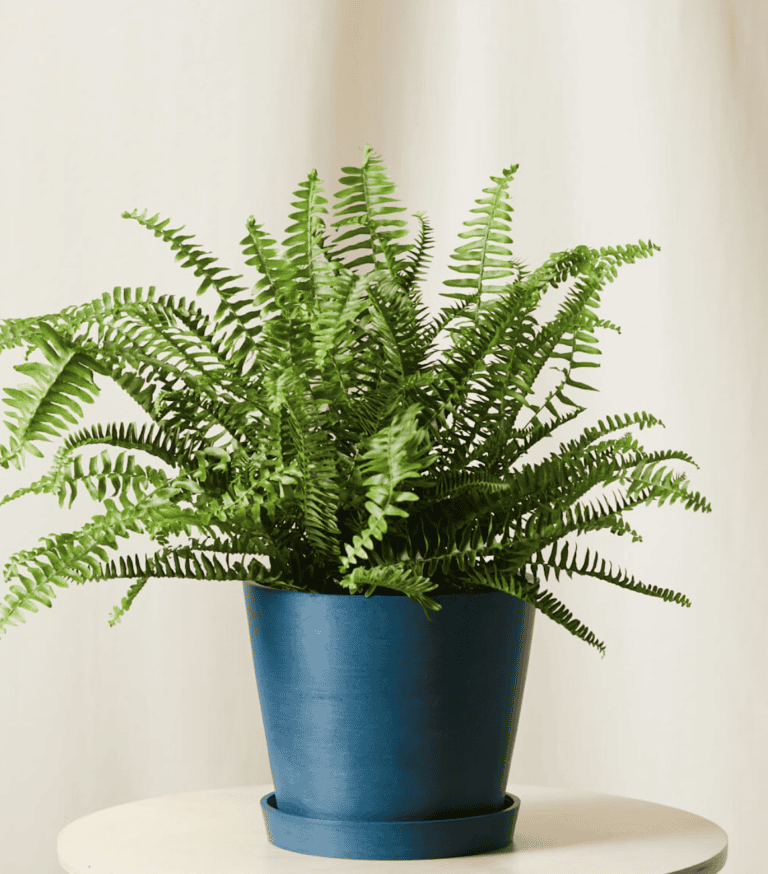
3. Boston fern
pet safe
Medium light
Grows upto 4 feet
East/south facing windows
Pet safe
medium light
grows to 4 feet
east/South facing windows
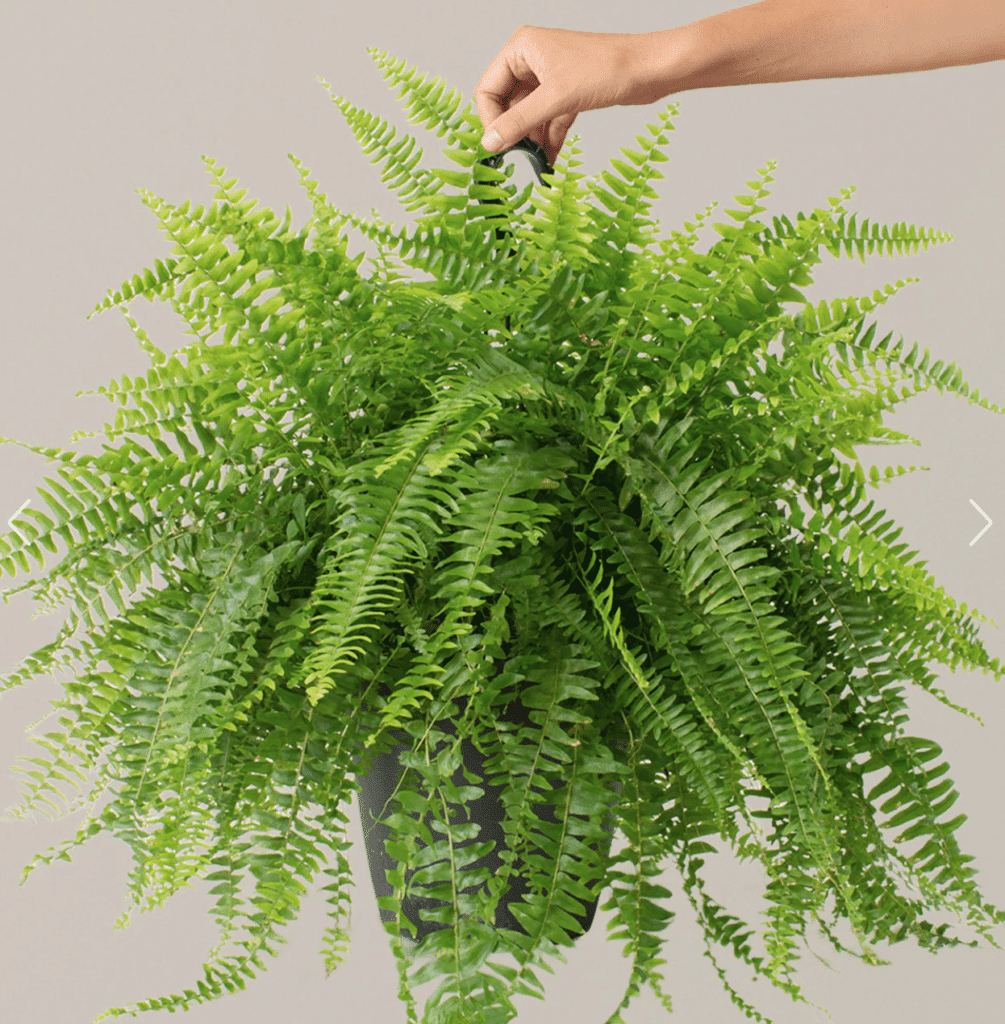
The Boston Fern (aka Nephrolepis exaltata): This Trailing indoor plant, part of the Nephrolepidaceae family, has lush, arching fronds with feather-like leaflets. We have placed ours in one of our North-facing room. This one thrive in low to medium light and prefer high humidity – so a bit more demanding, but worth it for their aesthetic appeal. These could also work great in bathroom as hanging plants!
Read more: Ultimate Boston fern Care guide
Care tip:
- Place it in indirect light and keep the soil consistently moist, watering when the top inch feels dry.
- Mist regularly to maintain high humidity.
- When fronds turning yellow, it indicates low humidity or under-watering.
Propagation tip:
- Divide a healthy plant into sections which has fronds and roots.
- Plant them in well-draining potting soil.
- Keep the soil moist and place in bright, indirect light. Roots should establish in 4-6 weeks.
Symbolism and zodiac signs:
- Symbolizes sincerity and shelter. Ideal for Pisces known for their nurturing and empathetic nature
Pros and cons


$58
“Beautiful, lush plant that adds a lot of greenery to my home. Needs regular watering”
4. peperomia
Pet safe
Bright light
Grows upto 3-4 feet
East/North facing windows
pet safe
Bright, light
grows to 3-4 feet
east/North facing windows
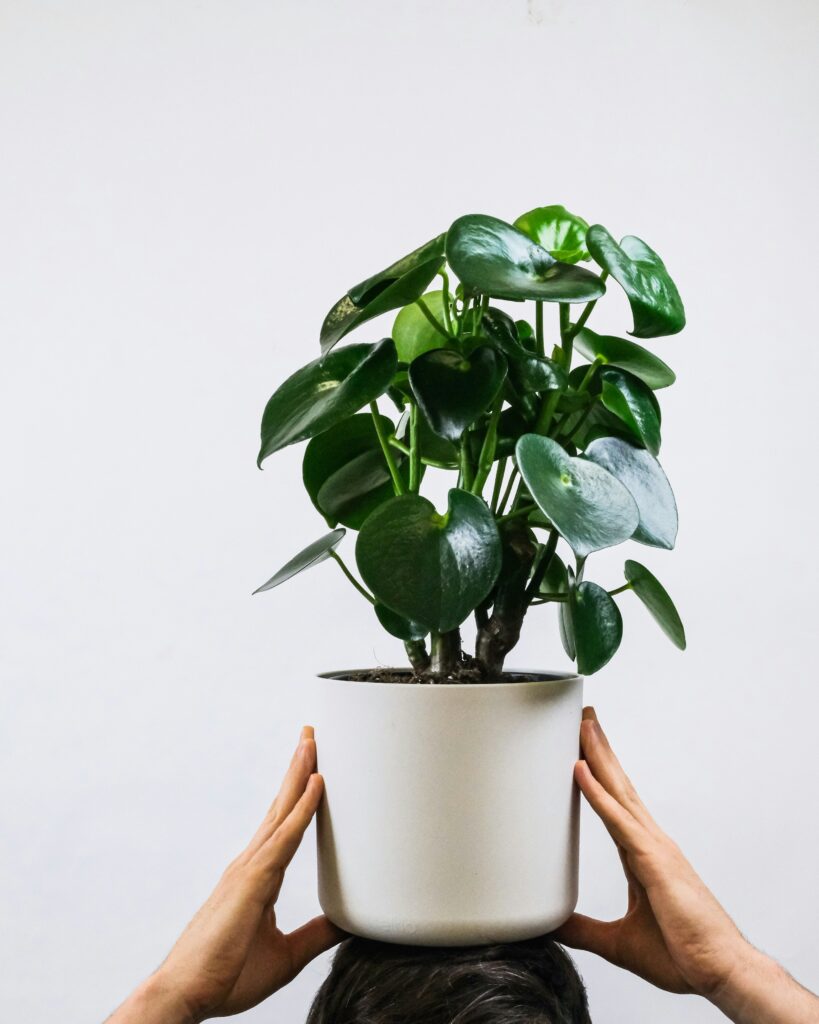
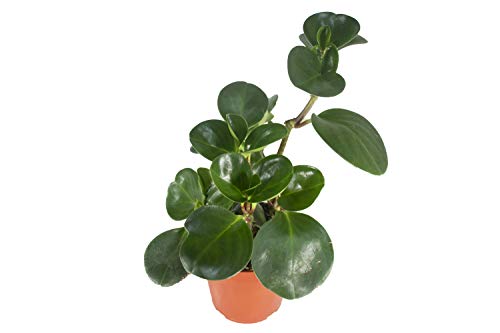
The Peperomia (aka Peperomia spp.), part of the Piperaceae family, is a charming low light trailing houseplant plant that has thick, glossy leaves that come in various shapes and patterns: from heart-shaped to rippled, and colors ranging from deep green to variegated silver and red.
We have placed it in our east-facing reading room where it thrives in indirect light. Peperomia is non-toxic to pets. This plant reaches about 6-12 inches in height. We’ve styled ours in a sleek ceramic planter that complements its modern appeal, but this will also look amazing in a hanging planter! This is one of the best trailing plants for shelves!
Read more: Peperomia care guide
Care tip:
- Water your Peperomia every 1-2 weeks.
- Place it in medium bright, indirect light, such as an east-facing room.
- Watch for yellowing leaves, which can indicate overwatering
Propagation tip:
- Cut a healthy leaf with at least one inch of stem and place it in water.
- Use a jar that allows the stem to be submerged while the leaf stays above water.
- Roots should start forming in 2-3 weeks. Transfer to well-draining potting soil once roots are 1-2 inches long
Symbolism and zodiac signs:
- Symbolizes friendship and positive energy. It is a perfect match for the sociable and caring Libra
Pros and cons

$43
“So easy to maintain. It likes to be neglected sometimes i don’t water for 3 weeks and its fine!”
5. Hoya

Pet safe
bright light
Grows upto 3-4 feet
East/North/west facing windows
pet safe
Bright light
grows to 3-4 feet
east/North facing windows
The Hoya Plant (aka Wax plant) belongs to the Asclepiadaceae family and has become a standout addition to our home. We have placed it in the west-facing bedroom on the first floor. Its waxy leaves glisten under the sunlight, and capture our guests attention with their unique shapes and sometimes even speckled or marbled patterns.
During spring, the Hoya surprises us with clusters of sweet-scented, star-shaped flowers that seem almost sculpted from wax — trust us, this is a keeper! We’ve chosen a rustic terracotta hanging planter for it, enhancing the organic elegance it lends to our space!
Read more: Hoya Kerrii care guide
Care tip:
- Place it in a spot that gets medium to bright, indirect sunlight.
- Water your hoya only when the soil has completely dried out—about every 10 to 14 days, and less frequently in winter. Hoyas store water in their leaves.
- These plants thrive in average household humidity and prefer temperatures between 60-85°F.
- Avoid pruning the flower stalks after blooming as they will rebloom from the same spurs
Propagation tip:
- Cut a 4-5 inch stem below a node, strip lower leaves, submerge one node in water, and place in bright, indirect light.
- Change water every few days. Expect roots in about a month, then pot in soil
Symbolism and zodiac signs:
- Symbolizes protection and spiritual healing. Individuals born under the zodiac sign of Cancer are well-suited to care for this plant!
Pros and cons


$48
“hoya plant feels so exotic. This is one plant I rarely see in other households and is so easy to manage!”
Common Mistakes to Avoid With Pet Safe Trailing Indoor plants
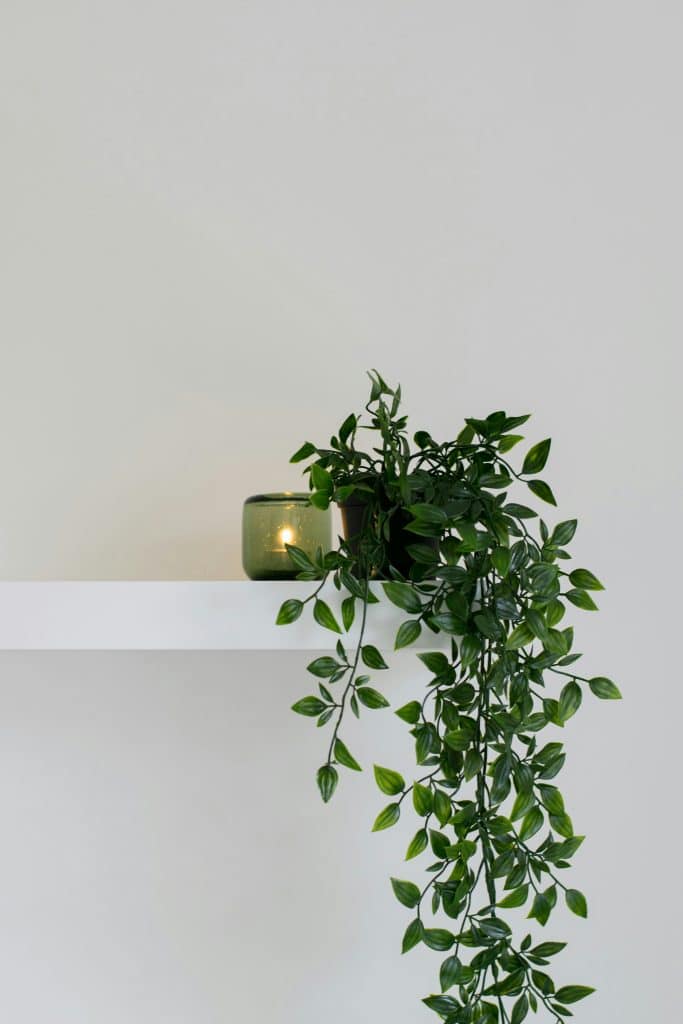
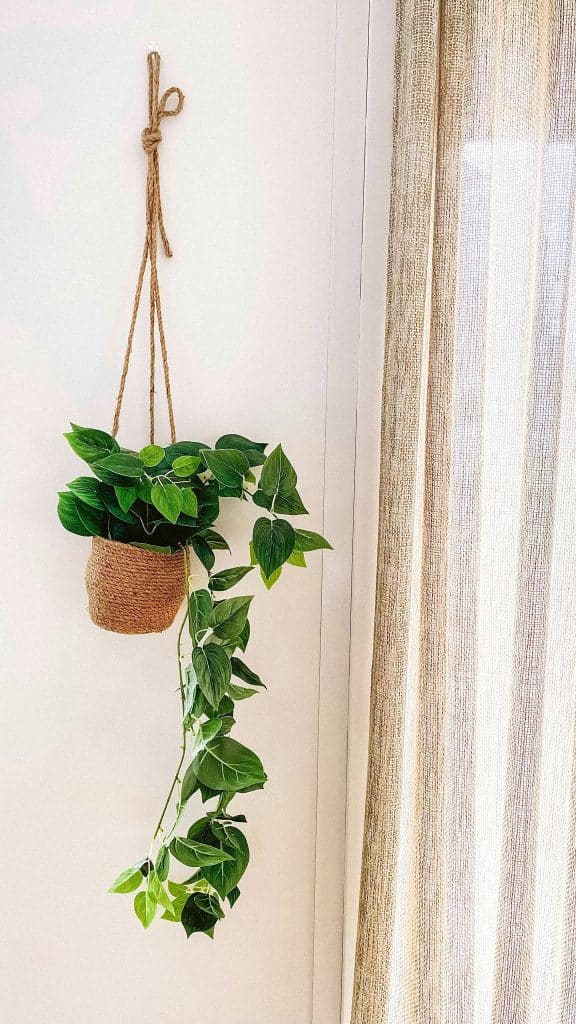
Assuming “pet safe” means chew-proof
Even non-toxic plants can still cause mild stomach upset if eaten heavily. We learned that pet-safe doesn’t mean edible or indestructible. Monitoring early behavior matters more than labels.
Read also: Our exhaustive list of 50 indoor plants not toxic to cats
Letting trails hang too low too fast
One of our biggest mistakes was letting trailing plants grow freely before understanding pet reach. Vines that brush whiskers or paws become toys, not decor. Gradual trailing keeps curiosity from turning into habit.
Overwatering because trailing plants look thirsty
Trailing plants often look limp before they’re actually dry, especially ferns and spider plants. We overwatered early on, which led to weak roots and leaf drop—making more mess at floor level. Good drainage and patience fixed that fast.
Grouping plants with very different care needs together
We once grouped a fern, hoya, and peperomia together because they all “trailed.” That didn’t end well. Different watering and humidity needs caused stress, which led to leaf drop and more pet interest.
Ignoring fallen leaves and plant debris
Even pet-safe plants can cause problems if dried leaves collect where pets play. Spider plant tips, fern bits, and dropped flowers attract chewing. Cleaning up debris regularly made a noticeable difference in pet behavior.
How We Chose Pet Safe Trailing Indoor plants
- Starting with plants that trail naturally, not ones forced to cascade
We learned quickly that not every plant meant to trail actually wants to trail indoors. Ferns, spider plants, lipstick plants, hoya, and peperomia naturally spill or arch without stress, which makes them safer long-term choices. A plant that grows happily is less likely to drop brittle leaves or shed irritating sap around pets. - Watching how pets interact with movement, not just leaves
Trailing plants move when air shifts or pets pass by, and that movement attracts attention fast. We noticed spider plant babies and fern fronds were more tempting than thicker hoya vines, which pets mostly ignored. Choosing plants with sturdier trailing stems reduced chewing and play behavior almost immediately. - Prioritizing non-toxic plants that tolerate light contact
Even pet-safe plants get brushed, sniffed, and occasionally nibbled. We leaned toward trailing plants that don’t react dramatically to minor contact—no sticky sap, no sharp leaf edges, no sudden leaf drop. Peperomia and hoya handled this calm interaction much better than more fragile trailers. - Choosing growth speed we could manage
Fast growers can overwhelm a space quickly, especially trailing plants that dip into pet zones. We liked hoya and peperomia because they grow steadily but not explosively, giving us time to adjust placement. Spider plants grow faster, but their toughness earned them a spot anyway. - Testing placement before committing permanently
We never assume a hanging spot will work forever. We test new trailing plants at different heights and locations to see how pets react over time. That patience saved us from constantly relocating stressed plants or creating unnecessary barriers.
Trailing Indoor plants to Avoid (Toxic to Pets!)
- Pothos – Toxic to cats and dogs if ingested.
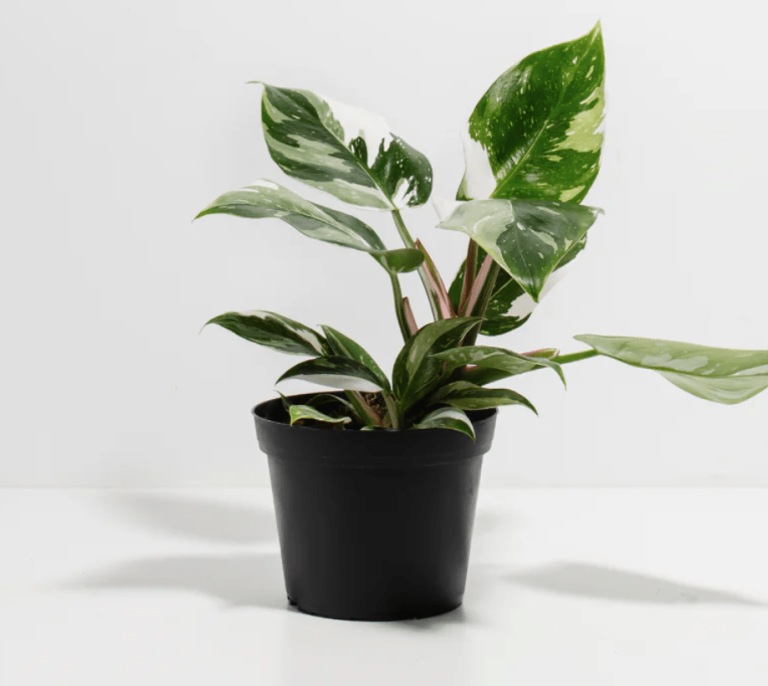
- Philodendron – Causes irritation and digestive issues.
- English Ivy– Harmful to pets, causing vomiting and drooling.
- String of Pearls – Common but toxic to pets.
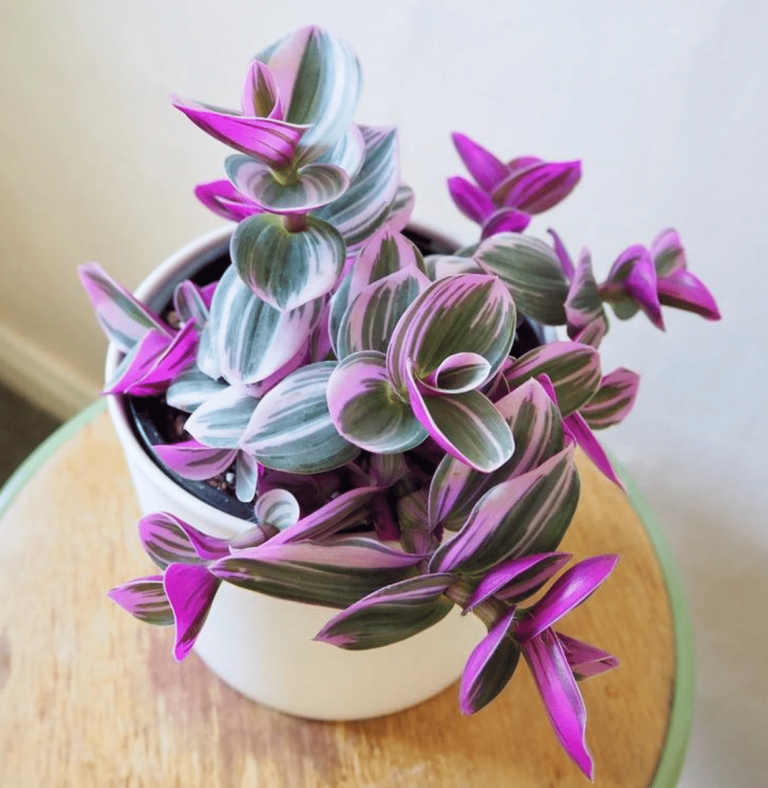
- Tradescantia – Popular for low light but mildly toxic to pets.
Conclusion
Pet safe trailing houseplants prove that you don’t have to choose between a beautiful home and a safe one. With the right plants—like ferns, spider plants, hoya, peperomia, and lipstick plants—you can enjoy cascading greenery without hovering every time your pet walks by. The key is choosing plants that grow calmly, tolerate light interaction, and don’t punish you for small mistakes. Hope this guide was helpful in identifying what’s best for your situation!