Lipstick plant care guide
Discover watering, soil, fertilizing, pests, styling, and troubleshooting tips for Lipstick plant from our experience growing and caring for it in our Brooklyn home!

We are an AD-FREE, community driven site. When you purchase through links, we may earn a commission, which helps sustain our blog!
Lipstick plant care guide
Care at a glance
1. How to care for Lipstick plant
The lipstick plant has trailing vines with glossy green leaves and tubular red flowers that emerge from dark buds resembling a tube of lipstick.
- Watering: Water when the top inch of soil is dry; keep evenly moist during active growth but never soggy.
- Light and temperature: Thrives in bright, indirect light; blooms best with good light; prefers 65–85°F.
- Toxicity: Non-toxic to pets and humans; safe for cats and dogs (ASPCA).
- Soil and fertilizer: Use airy, peat-free mix with coco coir and orchid bark; feed monthly in spring and summer.
- One common issue: Lack of blooms usually means low light—move to a brighter spot with indirect sun.
- Propagation method: Root stem cuttings with nodes in moist soil or water until roots develop.
Our favorite soil and fertilizer for lispstick plant

2. Care mistakes we have learnt to avoid with Lipstick plant
- Keeping the soil damp for too long: The shallow roots rot fast when the mix stays wet for days. We water only when the top inch dries and use a chunky bark-perlite blend to keep things airy.
- Placing it too far from angled bright light: In dim spots, vines stretch and blooms stop altogether. We keep ours a few feet from an east window so it gets strong, indirect light all day.
- Using deep pots that trap moisture at the bottom: Lipstick plants dislike water sitting where their roots can’t reach it. We use shallow, wide pots and repot only when roots fully wrap the base.
- Ignoring winter dryness when buds are forming: Radiators pull moisture from the leaves and make buds fall before they open. We keep the plant away from heat sources in winter and maintain steadier humidity.
3. A real issue we have had with Lipstick plant in our home
It kept dropping buds right before they opened, even though the leaves looked healthy and the soil felt fine. The real cause wasn’t watering—it was the radiator heat drying the air around the plant faster than we noticed. We fixed it by moving the plant a few feet away from the heater in winter, and the next bloom cycle finally held.
lineage and Symbolism
The Lipstick Plant (aka Aeschynanthus radicans) from the Gesneriaceae family is a lively trailing houseplant prized for its thick, glossy leaves and brilliant red flowers that peek from dark, tube-like buds—like, truly, lipstick from a tube!
It typically grows 12–24 inches long indoors — perfect for hanging baskets or shelves. In our Brooklyn community home, we hang ours near east-facing windows where it spills into warmly lit corners and blooms on and off through the year. Their blooms really are the best! Like a bit of a matured bud, very unique.
Lipstick plants symbolize vibrancy, charm, and playful allure. They align best with the zodiac sign Gemini—curious, expressive, and always full of color.


$58
“The flowers of the lipstick plant are the best! like tiny lipstick buds!” – Amazon customer
What we wish we knew before buying
It’s far pickier about placement than it looks: Lipstick plants stop blooming and grow thin, tired vines unless they sit close to bright, angled light. We learned this after trying it on shelves that looked bright to us but weren’t bright enough for the plant. Once we moved it near an east window, everything changed—fuller growth, steadier buds, and far fewer surprises.
Lipstick plant care infographic
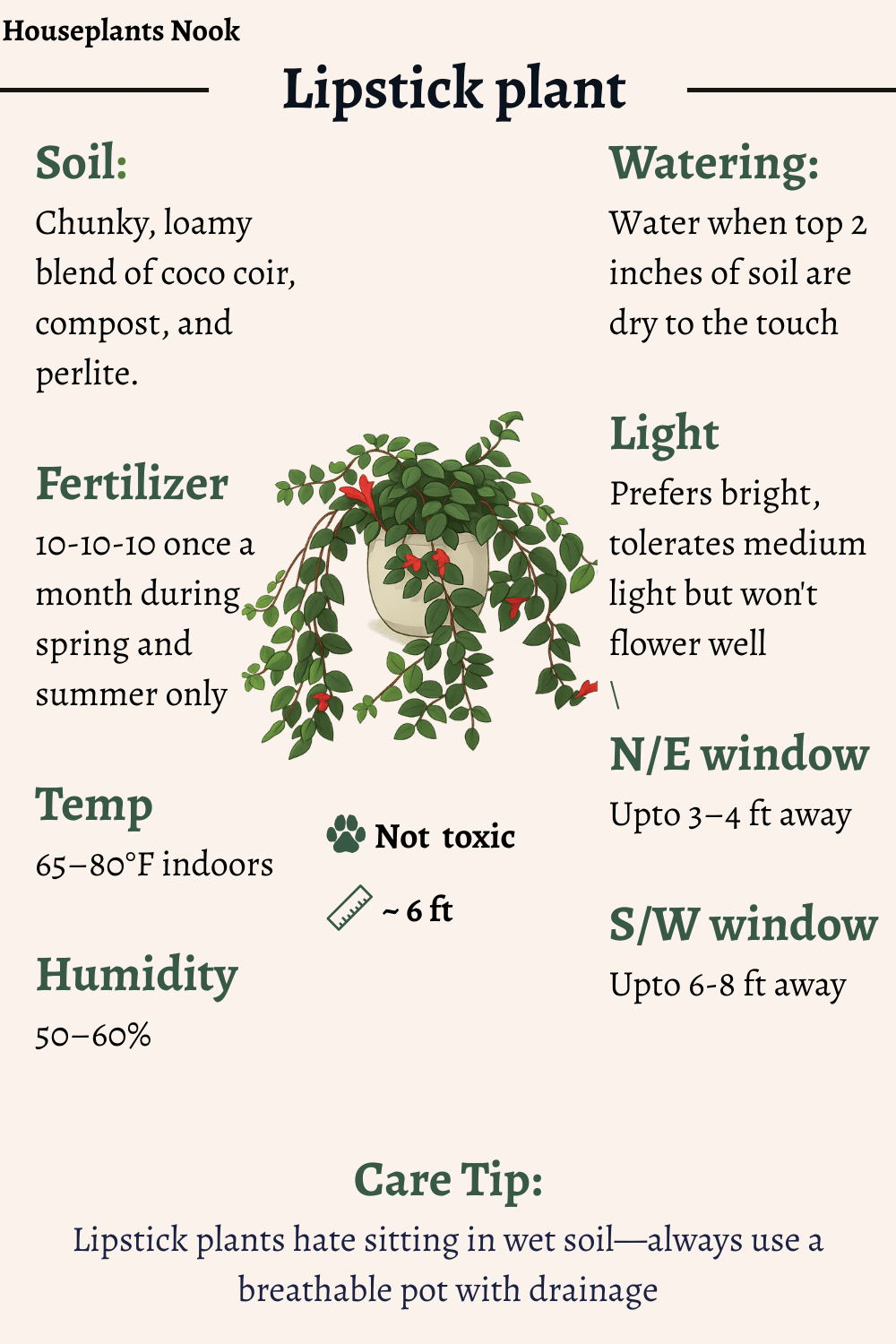
📋 Use this infographic on your site — copy the code below:
Plant that pairs well with similar care needs

Light placement and Seasons
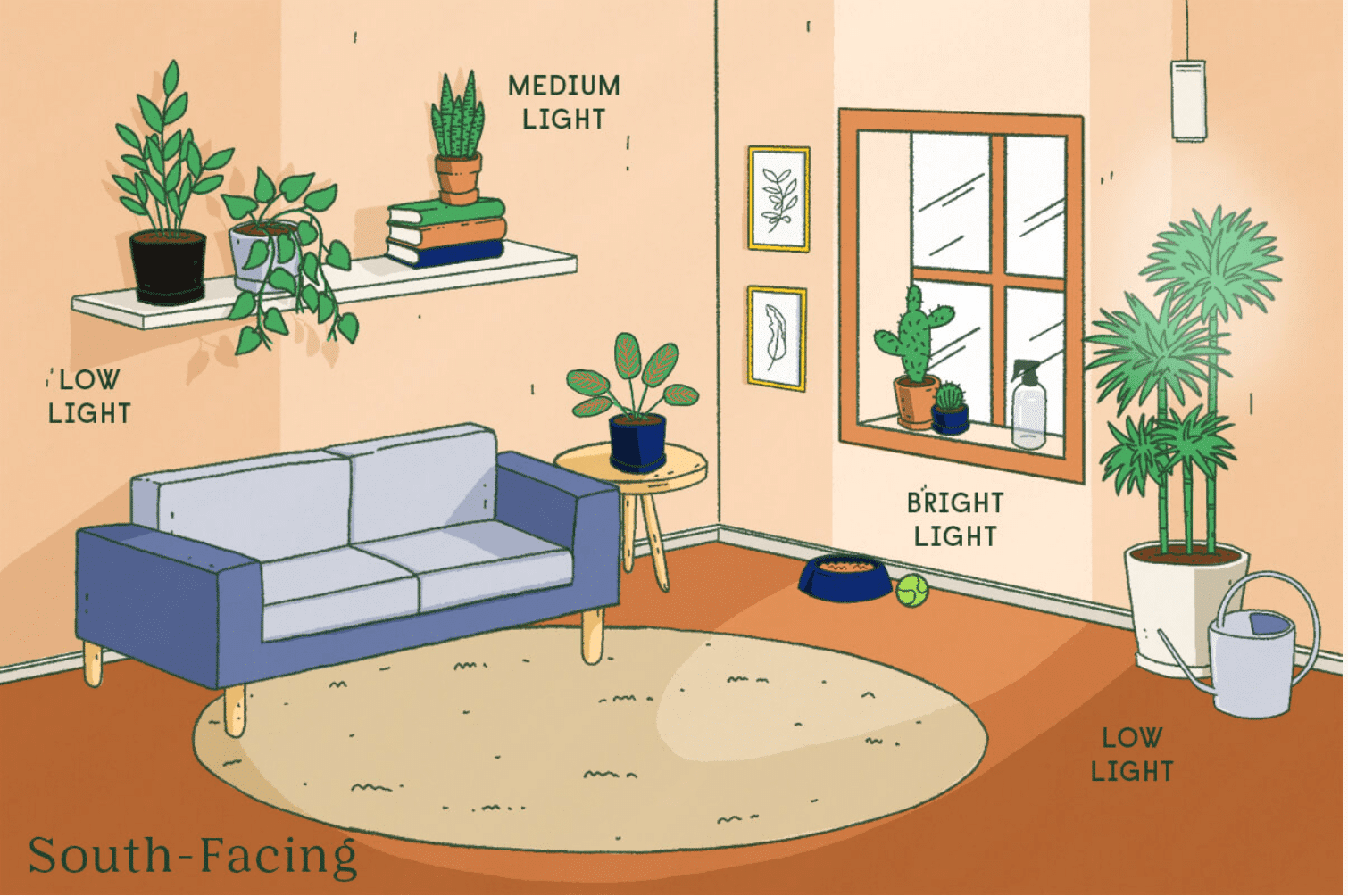
What is the light requirement for Lipstick plant?
Lipstick plants need bright, indirect light to bloom well. Direct sun can scorch the leaves, while low light prevents flowering. Keep them 2–3 feet from an east- or south-facing window with filtered light. We have seen the do just fine 4-5 feet away as well. Just don’t keep them in low light otherwise they will not bloom.
How to know if Lipstick plant is not getting right amount of light?
Few or no blooms, leggy stems, and pale foliage signal low light. Burned leaf edges mean it’s too close to direct sun: we watch ours for bloom frequency and reposition if it slows down.
Where to place Lipstick plant and where to avoid?
Place it 2–3 feet from a bright window, ideally in a hanging basket or on a high shelf. Avoid drafty spots, vents, or dim rooms. Bathrooms with bright, filtered light are great during winter.
How Lipstick plant behaves through the seasons?
- Spring: Growth picks up fast as days get brighter, and new vines appear almost weekly. We water more often but keep the soil airy so the roots never sit wet. We move it closer to an east window to encourage buds. The main issue is sudden yellow leaves from overwatering during this “wake-up” phase, so we stay light-handed.
- Summer: This is when the plant grows the most and blooms reliably. We water regularly because the thin stems dry out faster in heat, and we feed lightly every few weeks. We pull it a little back from the window so the foliage doesn’t scorch in afternoon sun. In very hot weeks, crispy tips show up, so we check soil dryness more often.
- Fall: Growth slows and the plant becomes more selective about where it puts energy. We reduce watering and stop pushing fertilizer so the plant can reset. We shift it slightly closer to the window as daylight shortens. The biggest issue is bud drop from inconsistent moisture, so we keep watering steady but modest.
- Winter: Growth is minimal, and vines stay mostly the same length for months. We water sparingly because radiators dry the air but the soil still stays cool. We keep it near an east window to maintain brightness without exposing it to cold drafts. Buds fall easily in winter dryness, so we move it away from heat sources and maintain gentle humidity.
Soil
What soil composition to use for Lipstick plant?
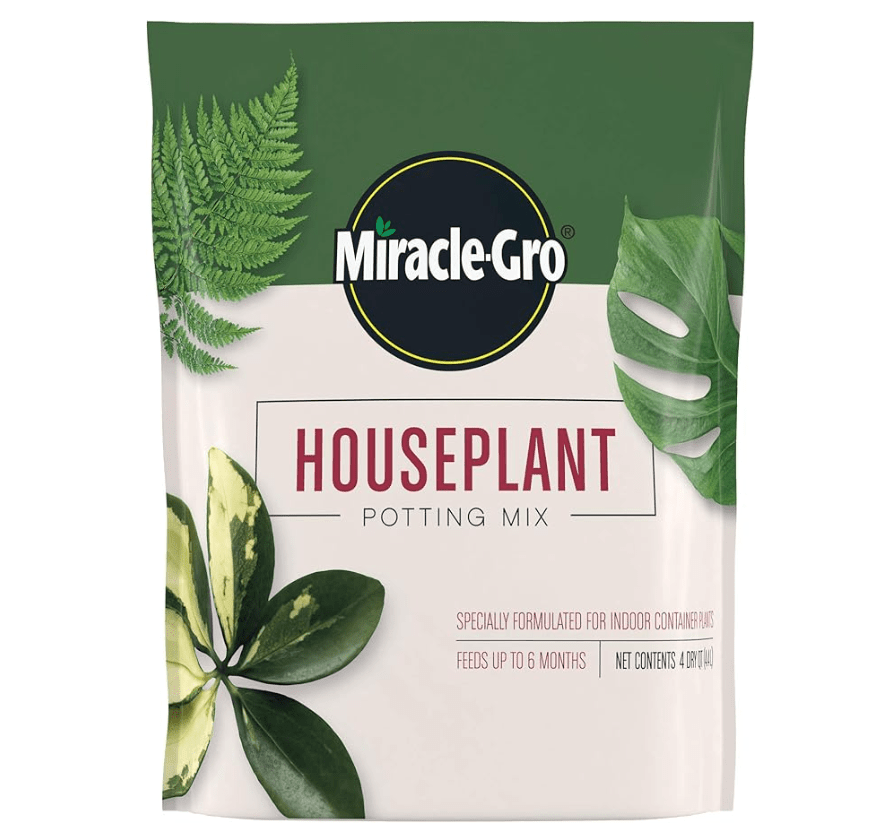
TThey like loose, chunky soil that mimics their epiphytic roots. We use:
- 2 parts orchid bark
- 1 part coconut coir
- 1 part perlite or pumice
This blend holds moisture without staying soggy.
Best soil to use for Lipstick plant?
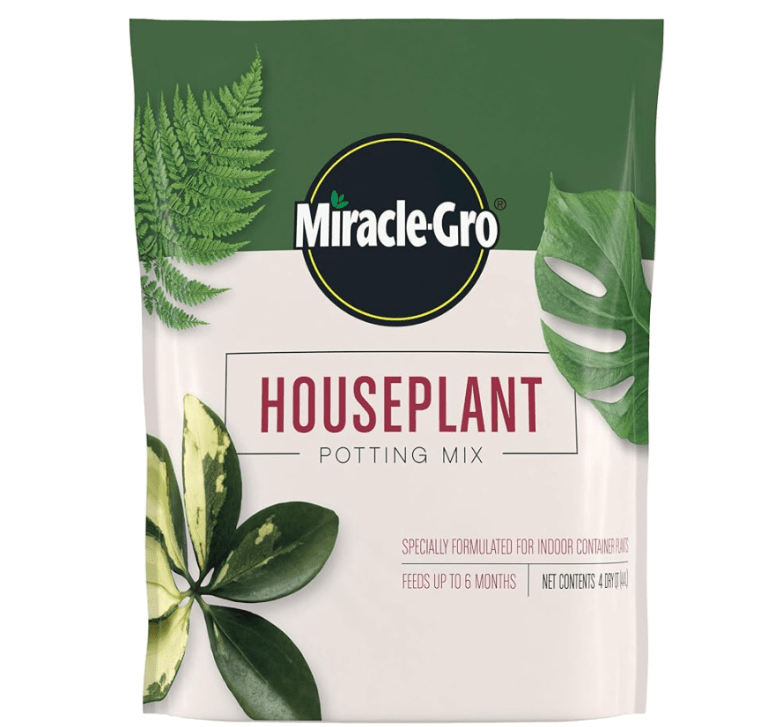
Here is our experience with this soil for lipstick plant:
Fast roots and fluffier growth: Roots began extending quickly after repotting, and within a week the vines looked renewed—stronger stems and brighter leaves hinted at improved aeration.
Bright blooms reappearing: With this mix, our plants started blooming again, much like when using bark-heavy potting media.
Dry-and-airy balance prevents root rot: Added perlite, orchid bark, and peat ensure the soil drains well. The result? No saturated root zones, just firm leaf health and no mildew.
Temperature and Humidity
What is the best temperature condition for Lipstick plant?
Keep it in 65–80°F. Below 60°F, growth slows and leaves may drop. We keep ours away from windowsills or doors during cold months.
What is the best humidity condition for Lipstick plant?
They love 50–70% humidity. In dry seasons, we run a small humidifier or place the pot on a pebble tray. Grouping it with other plants also helps raise the local moisture.


fertilizer
What is the best fertilizer composition to use for Lipstick plant?
Use a bloom-promoting fertilizer like 10-30-20 or 7-9-5. Phosphorus supports flowering. Avoid high nitrogen formulas—they promote leaves at the expense of blooms.
How and when to fertilize Lipstick plant?
Fertilize monthly during spring and summer. We dilute our liquid feed and apply it after watering. Skip in fall/winter unless it’s actively flowering.
DIY tip: Steep banana peel in water for 24 hours and use monthly to support flowering.
What are the signs Lipstick plant needs food?
Pale leaves, a fading bract, or slow pup formation can all point to nutrient deficiency. If it looks dull despite good light and water, a light feeding may bring it back to life.
Read also: Why are my flowering houseplants not blooming, and why are they losing their buds
Best fertilizer to use for Lipstick plant?
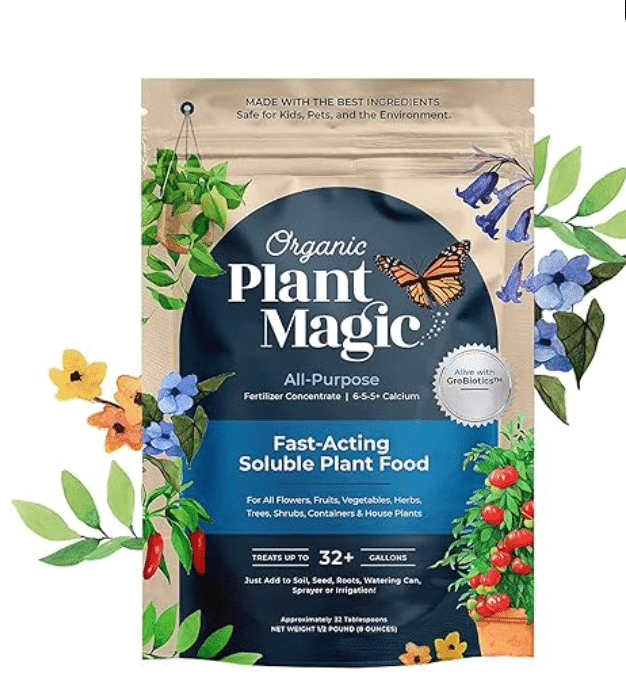
We’ve adopted Plant Magic Organic Fertilizer as our go-to monthly feed for Lipstick Plants, and here’s how it performs in our care routine:
- Leaves stay firm and richly colored: From the start of spring, we apply it monthly during “grow time.” Our vines maintain lush, vibrant green foliage without showing any signs of overfeeding or brown tips.
- Supports blooms without stress: The fertilizer adds enough nutrition so that flowers stay compelling and frequent, but never overwhelms the plant—no burned leaves or wilting classic of strong synthetic feeds.
- Easy, forgiving rhythm: We feed every 4–6 weeks when repotting isn’t on the agenda. In autumn and winter, we reduce to once every other month or pause entirely, letting nature guide the rest.
Pots and planters
What are the best pots to use for Lipstick plant?
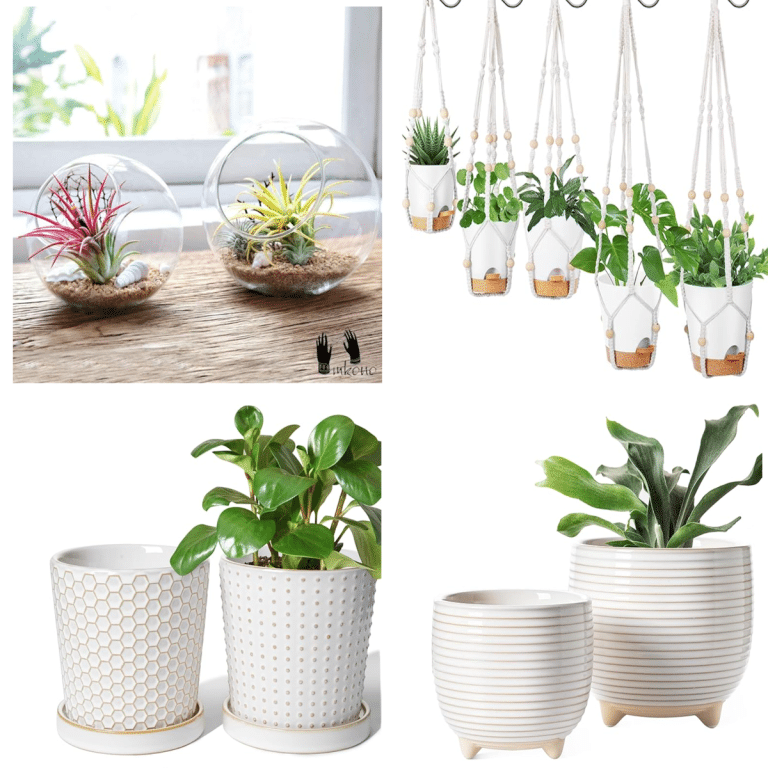
Hanging pots with drainage holes work best. They prefer shallow, wide containers. We use breathable pots like ceramic or terra cotta for airflow.
Read also: How to style flowering houseplants


Read also: How to style flowering houseplants
Watering
How and When to water Lipstick plant?
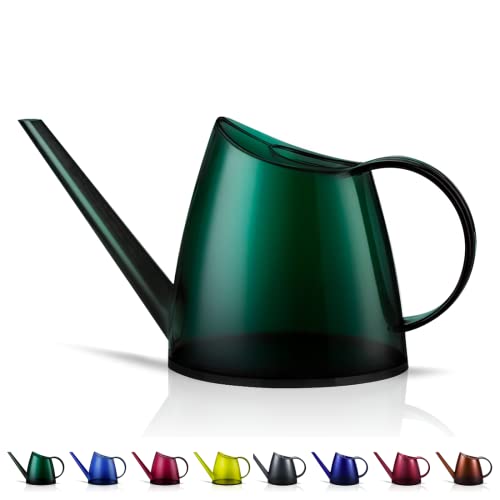
Water when the top inch is dry. We water deeply until it drains out the bottom, then let it dry again. In winter, watering slows to every 2–3 weeks depending on warmth and humidity.
what are the Signs of over or under watering Lipstick plant?
Yellow, mushy leaves or black stems mean overwatering. Dry, curling leaves or brittle stems suggest underwatering. We keep an eye on soil moisture and leaf firmness.
pruning
how to prune Lipstick plant?
Prune to shape and promote blooming.
- Use clean shears
- Pinch back leggy vines
- Remove dead or dried stems
- Trim after flowering to encourage branching
Post-pruning, we give it bright light and stable warmth for recovery.
Read also: How to prune flowering houseplants
propagating

How to propagate Lipstick plant
Stem cuttings in water or soil work well.
- Cut a healthy stem with 2–3 nodes
- Let it callous for 1–2 hours
- Place in water or moist soil
- Keep in bright, indirect light
Roots appear in 3–4 weeks. Transplant once roots are a few inches long.
how to care after propagating Lipstick plant?
- Post-propagation care: Keep it in bright light but away from harsh afternoon sun. Water sparingly until you see new leaves. Once rooted, care is identical to the parent plant.
Troubleshooting common issues

Why is my lipstick plant not blooming?
Low light or lack of phosphorus causes it to often not bloom. Move closer to a window and feed monthly.
Why are the leaves turning yellow?
Overwatering or cold air could be responsible. Let the soil dry and move to a warmer spot.
Why are the stems leggy and weak?
Stretching from low light causes this. Prune and move it 2–3 feet from bright light.
Why is my lipstick plant dropping leaves?
Dry air or shock from sudden moves causes this. Raise humidity and stabilize conditions.
Why are the leaf tips brown?
Low humidity or tap water minerals is probably the reason. Use filtered water and a humidifier.
Why is my plant wilting even though I watered it?
Root rot or poor drainage is the reason. Check roots and repot in fresh, chunky soil.
Why are there black spots on the stems?
Fungal issue from wet conditions causes black spots on stems. Improve air circulation and prune affected parts.
FAQ
What are the benefits of the lipstick plant?
It’s pet-safe, colorful, and easy to grow indoors in hanging displays.
How long does the lipstick plant bloom?
Each flush of flowers can last 4-6 weeks.
Is the lipstick plant toxic to pets?
No—it’s considered non-toxic to cats and dogs.
Can I grow lipstick plants outdoors?
Yes, in zones 10–12. Otherwise, bring them inside before temps drop below 60°F.
Does the lipstick plant bloom year-round?
It can bloom multiple times a year if light and humidity are good.
Do I need to keep water in the center tank?
Yes, for most types. Flush and refill every 1–2 weeks.
Do lipstick plants like being misted?
Yes, especially in dry seasons. Avoid misting at night.
How do I increase humidity for lipstick plants?
Use pebble trays, humidifiers, or group with other plants.
What pests affect lipstick plants?
Watch for mealybugs and spider mites. Neem oil or insecticidal soap helps.
Do lipstick plants like being root-bound?
Yes, they bloom better slightly root-bound.
How often should I repot lipstick plants?
Every 2–3 years, or when roots circle the pot. You notice is it when they start to jut out of the holes.
What kind of light is too much for lipstick plants?
Direct afternoon sun can burn the leaves. Filter strong light.
Can I grow lipstick plants in bathrooms?
Yes, if there’s bright light. They love warmth and humidity.
Do lipstick plants need support or trellising?
No, they trail naturally and don’t climb.
Can I root lipstick plant cuttings in water?
Yes—roots form in 3–4 weeks in a clean glass jar.
Tips from trusted blogs and forums
- “I have these lipstick plant cuttings I tried to stick in some dirt but nothing happened! … I’ve had the fastest results by doing them in rooting powder & planting in sphagnum moss inside a plastic bag or clear container to keep humidity high.” Source: Reddit (r/propagation)
- “Lipstick Plants love humidity. If you reside somewhere that tends to be very dry try to place your plant in the bathroom (if the lighting is correct) or the other most humid rooms, kitchen and laundry room. It doesn’t hurt to assist it with a daily misting…” Source: The Green Mad House blog
- “If you want to add tap water to the plant, make sure you leave it to sit for 24 hours before that in order to allow the chlorine to dissipate.” Source: Backyard Boss
- “It looks happy, though they don’t need a ton of light. Hanging them from a window with full view of the sky, no direct sunlight. Also they don’t like tap water.” Source: Facebook (Houseplant Lovers Addicts)
- “I living thing I just notice a long shoot growing out from one of the nodes. It’s never done this before, anyone know anything …” Source: Facebook (Houseplants group)