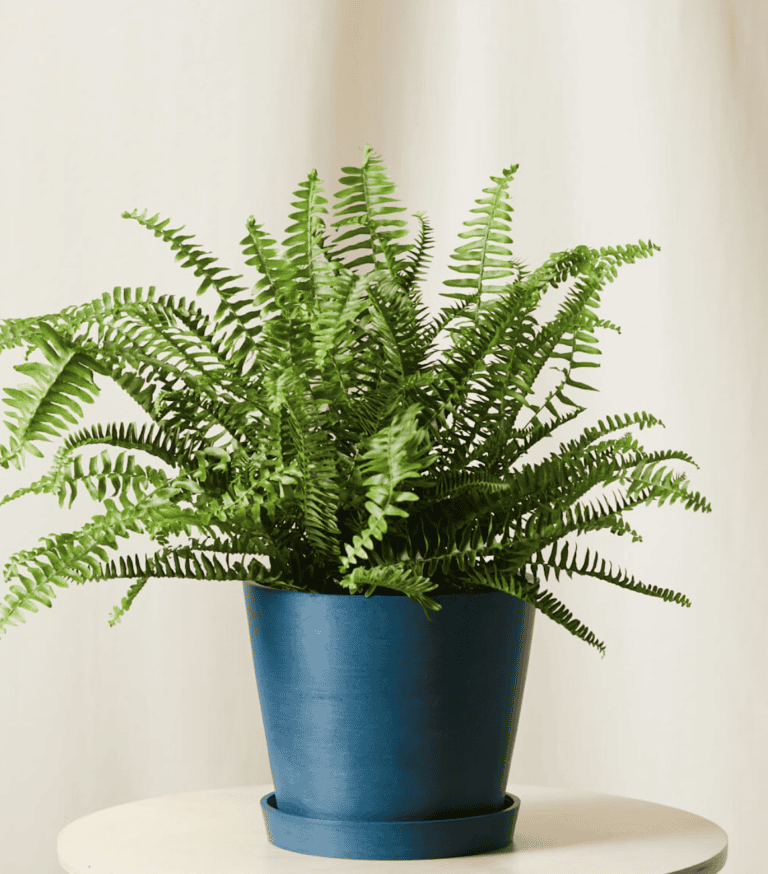
Parlor Palm care guide
We grow parlor palms in our Brooklyn home — humidity, fertilizing, soil, and why this is one of the few palms safe for both pets and humans.

We are an AD-FREE, community driven site. When you purchase through links, we may earn a commission, which helps sustain our blog!
Parlor palm care guide
Care at glance
How to care for Parlor Palm
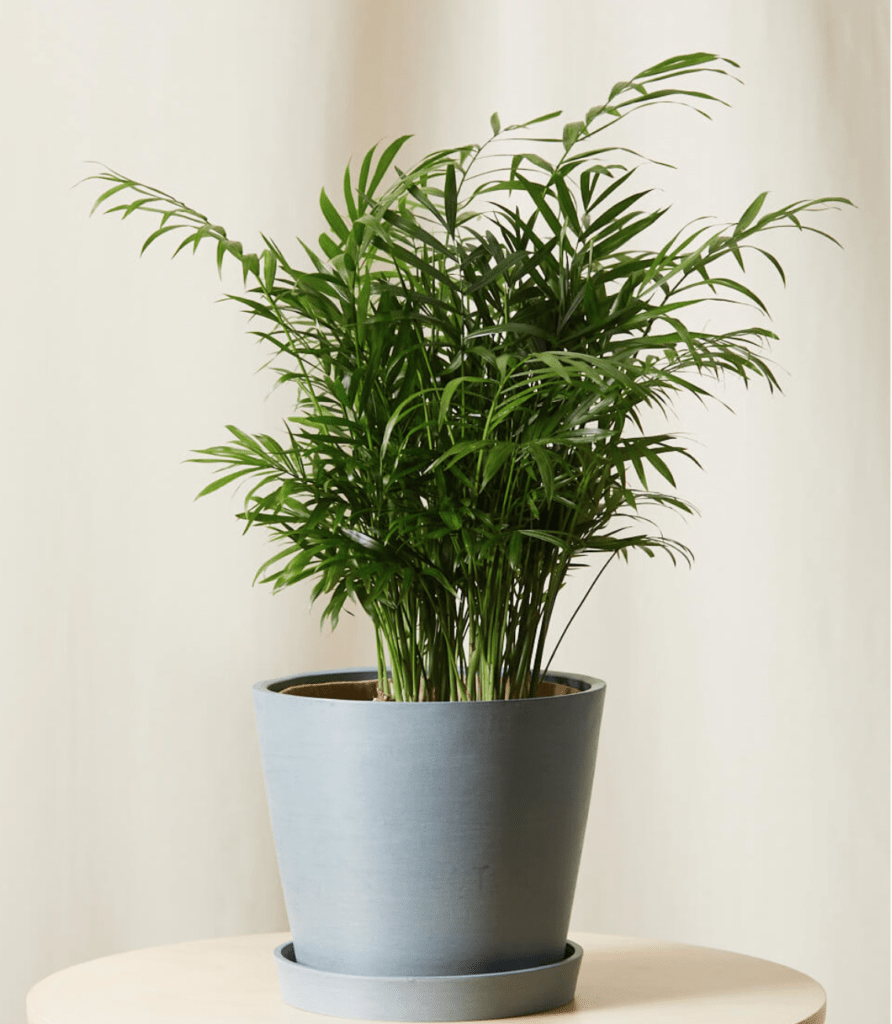
The parlor palm has slender, cane-like stems topped with delicate green fronds that grow upright in a soft, bushy form ideal for tabletops or corners.
Light: Bright indirect light gives the strongest growth, but Parlor Palm genuinely tolerates low light and light shade.
Water: Water thoroughly when the surface of the potting mix begins to dry. It grows best with more consistent moisture than a drought-tolerant houseplant, but should never sit in water.
Soil: Use a peat-free, moisture-retentive but freely draining houseplant mix.
Temperature: Warm conditions produce the best growth, but Parlor Palm tolerates cooler winter temperatures surprisingly well. Protect it from cold drafts.
Humidity: Low-to-moderate or ordinary household humidity is usually enough. Extremely dry air can contribute to brown tips and spider mites.
Fertilizer: Feed lightly with a balanced liquid houseplant fertilizer during active spring-to-autumn growth.
Pruning: Remove only fully dead or dying fronds. Do not cut the growing tip from a healthy palm stem.
Propagation: Divide a multi-stemmed pot while repotting, or grow new palms from seed.
Pet safety: ASPCA lists Chamaedorea elegans as non-toxic to cats and dogs.
Common problems: Brown tips, yellow fronds, root rot from prolonged wet soil, spider mites, mealybugs and naturally slow growth.
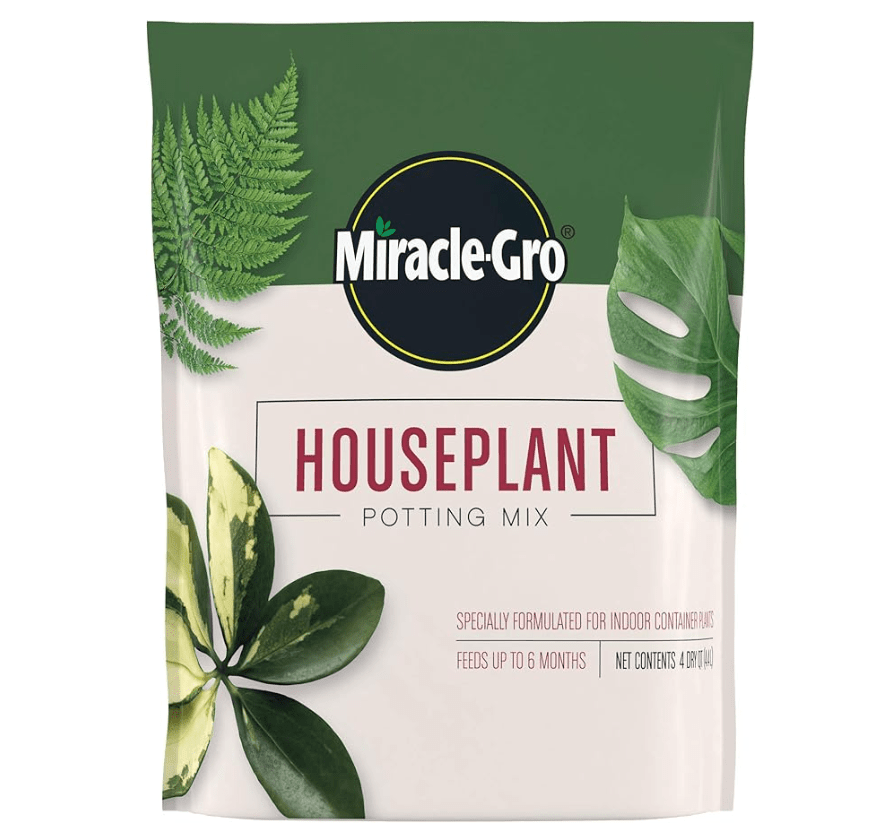
Our favorite soil and fertilizer for Parlor palm

2. Care mistakes we have learnt to avoid with Parlor palm plant
Letting too much of the pot dry because we were afraid of root rot: Parlor Palm tolerates occasional dryness, but it grows more lushly with relatively consistent moisture. We now let the surface begin drying rather than waiting for half the potting mix to become dry.
Trying to make it grow faster with stronger sun: This is naturally an understory palm. Ours grows faster in good indirect light than in deep shade, but strong direct sun can scorch the fronds.
Assuming slow growth means something is wrong: Parlor Palm is genuinely slow-growing indoors. Extra fertilizer will not turn it into a fast palm and can create unnecessary salt buildup.
3. A real issue we have had with Parlor palm plant in our home
One of ours began yellowing through some of the inner fronds even though the rest of the plant still looked healthy.
We initially blamed watering.
We eventually moved it into a position with better light and airflow, and the newer growth looked stronger afterward.
That made the original corner our leading suspect, but we would not say stale air alone caused the yellowing. Older stems in a crowded multi-palm pot can decline naturally, while excess moisture, low light and root problems can create very similar symptoms.
lineage and common questions
What Makes Parlor Palm Different From Other Indoor Palms?
Parlor Palm is a true palm adapted to shaded forest understory conditions.
That helps explain two of its most useful indoor traits: unusually strong shade tolerance and relatively slow growth.
It is also much smaller than many palms sold as houseplants.
RHS describes typical houseplants around 1–2 feet tall, although established specimens can eventually reach around 4 feet or more under good conditions.
Is One Bushy Parlor Palm Actually Several Plants?
Very often, yes.
A single Chamaedorea elegans naturally produces a solitary stem.
Growers commonly plant several young palms together in one container to create the dense, bushy plant we expect to see in a nursery.
That also means individual stems within the pot can behave differently. One can weaken or die while the others remain healthy.
Before assuming the entire plant is failing because one cane declines, we check whether the rest of the stems and root system are still healthy.
Why Does Parlor Palm Grow So Slowly?
Slow growth is normal for the species.
RHS specifically describes Parlor Palm as slow-growing, which is one reason it works so well as a long-term indoor plant.
Better indirect light, appropriate watering and light feeding help it reach its natural growth rate, but we would not try to force rapid growth with extra fertilizer.
What Are the Benefits of Parlor Palm Indoors?
For us, its strongest benefits are practical.
It tolerates low light better than most palms.
It stays relatively compact.
It grows slowly, so it does not quickly outgrow a room.
It is easy to fit into offices and apartments where a larger palm would become impractical.
ASPCA lists it as non-toxic to cats and dogs.
We would not buy Parlor Palm specifically to purify indoor air. Laboratory studies have measured pollutant uptake by houseplants under controlled conditions, but the EPA says there is no evidence that a reasonable number of houseplants removes significant quantities of pollutants in real homes or offices.
Read also: Areca palm care guide, and 5 indoor trees safe for pets
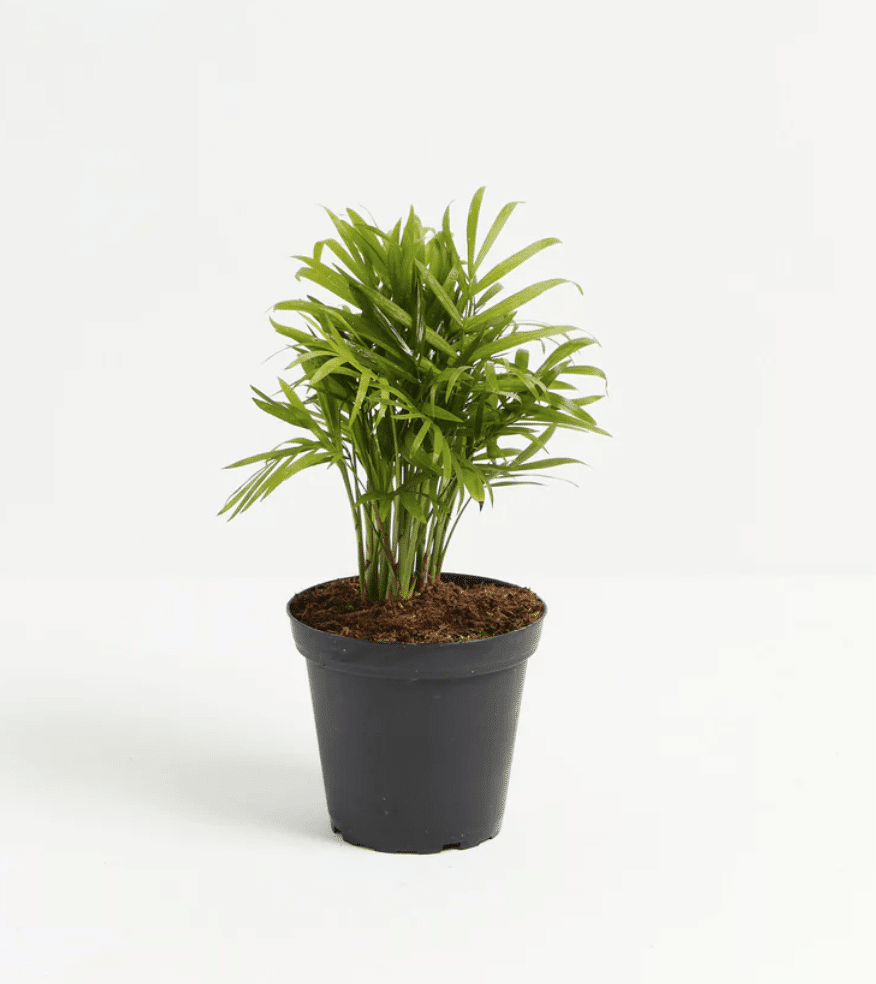
($19)
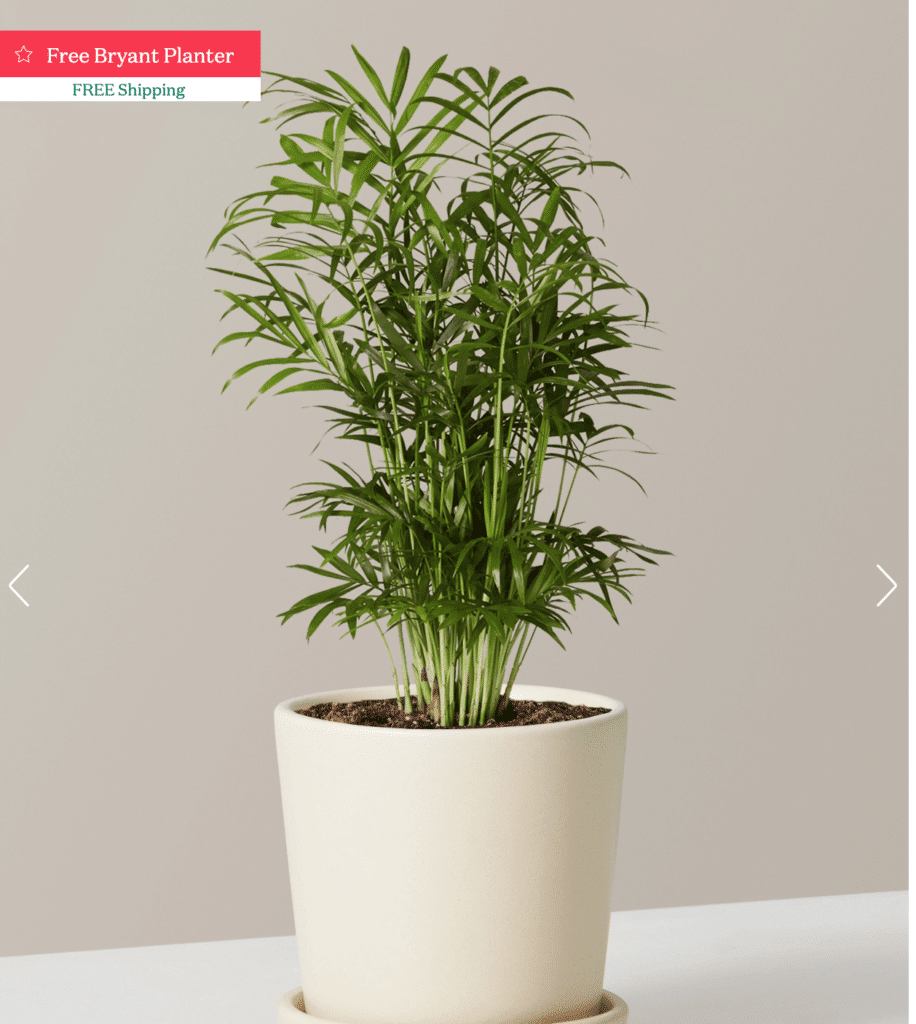
($38)
($35)
$43
“For over five years, this plant has been such a resilient and forgiving addition to my living room” – TheSill customer
What we wish we knew before buying
We wish we had understood just how slowly Parlor Palm grows indoors.
Months went by with barely any visible change, and we kept assuming we were doing something wrong.
It wasn’t necessarily a care problem. Slow growth is normal for Chamaedorea elegans.
If we wanted a substantial floor plant immediately, we would now buy a larger specimen rather than expecting a small Parlor Palm to double in size quickly.
Parlor Palm plant care infographic
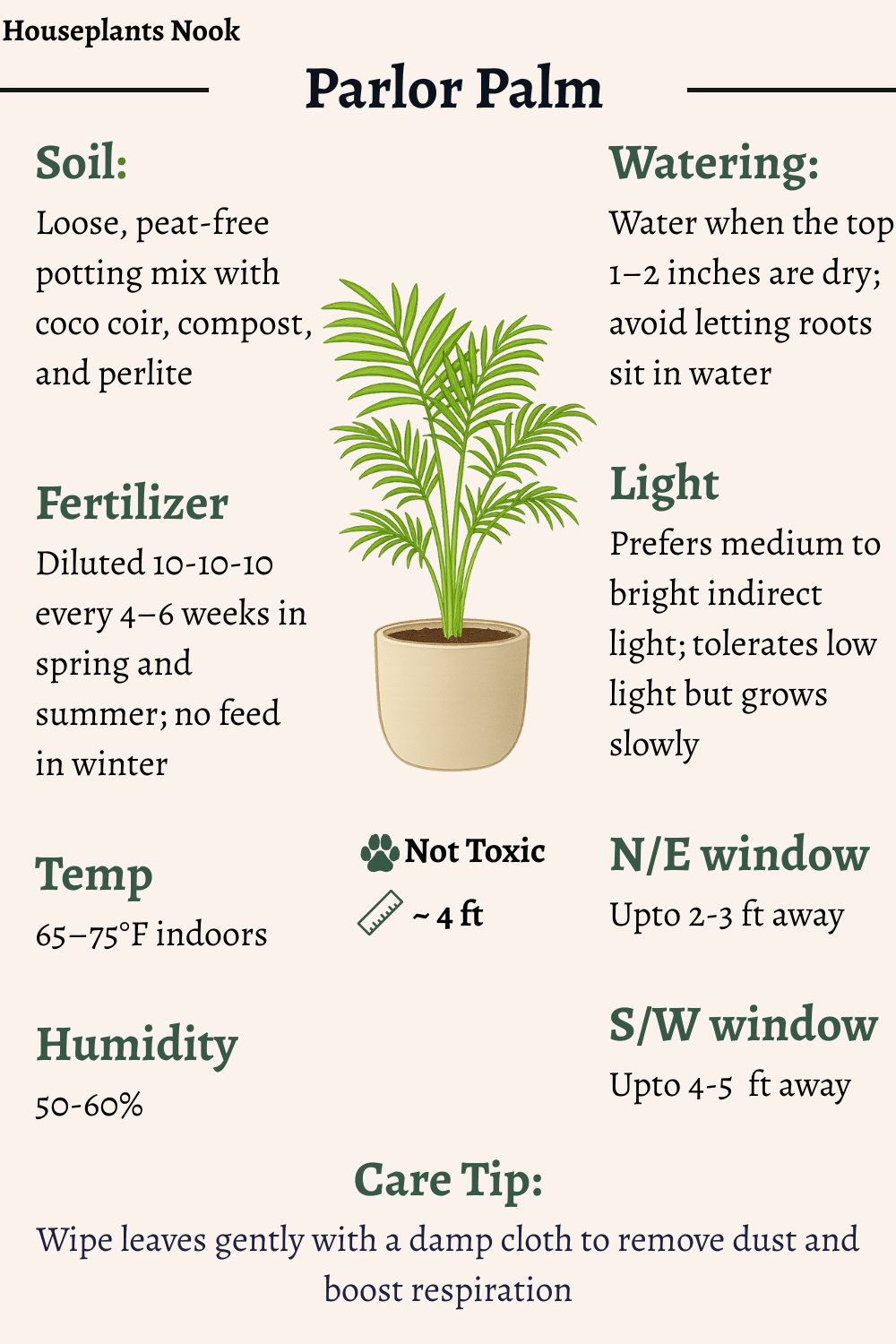
Infographic by Houseplants Nook
Light and placement

How Much Light Does a Parlor Palm Need?
Parlor Palm grows best for us in bright indirect light, but it genuinely tolerates low-light conditions better than most palms.
RHS describes bright indirect light as ideal while noting that light shade is also acceptable.
That makes the distinction simple:
Bright indirect light = stronger growth.
Low light = tolerated, but slower growth.
Can Parlor Palm Grow in Low Light?
Yes.
This is one of the houseplants where “low-light tolerant” is genuinely useful rather than marketing language.
Our Parlor Palms have remained healthy in relatively dim rooms, although growth becomes extremely slow.
We still need some usable light. A windowless room illuminated only by an ordinary floor lamp is not something we would describe as adequate plant light.
How Can You Tell if a Parlor Palm Needs More Light?
Watch the newest growth.
Very slow growth is normal for Parlor Palm, so slow growth alone is not enough.
More concerning signs are increasingly pale new fronds, weak elongated growth and an overall decline in leaf production.
If the plant remains healthy but simply grows slowly in a dim room, that may be normal low-light behavior.
Can Parlor Palm Take Direct Sun?
We avoid strong direct summer sun.
The species evolved as a shaded understory palm, and intense sunlight through glass can scorch the foliage.
Gentle early-morning sun can be fine after acclimation, but bright filtered light is easier to manage indoors.
How Does Parlor Palm Change Through the Seasons?
Spring: Growth begins increasing, although it remains slow compared with many houseplants. We resume light feeding.
Summer: This is usually the strongest growth period. The pot dries faster, so we check moisture more often.
Fall: Growth slows as daylight decreases and the pot begins staying moist longer.
Winter: Growth may nearly stop. We keep the plant away from cold drafts and radiators and water less frequently because the soil dries more slowly.
Soil
What Soil Is Best for Parlor Palm?
Parlor Palm likes a humus-rich, moisture-retentive but freely draining potting mix.
Our starting mix is:
3 parts peat-free houseplant mix + 1 part perlite, pumice or fine bark.
We do not make the mix as chunky or fast-drying as we would for a Hoya or Snake Plant.
The goal is to retain enough moisture for steady root hydration while allowing excess water to drain freely.
Does Parlor Palm Need Acidic Soil?
It prefers mildly acidic to neutral conditions.
RHS specifically recommends acidic-to-neutral peat-free growing media and cautions against repeated use of hard alkaline water.
We would not chase one exact pH number unless the plant is showing persistent problems.
Best soil to use for Parlor Palm?
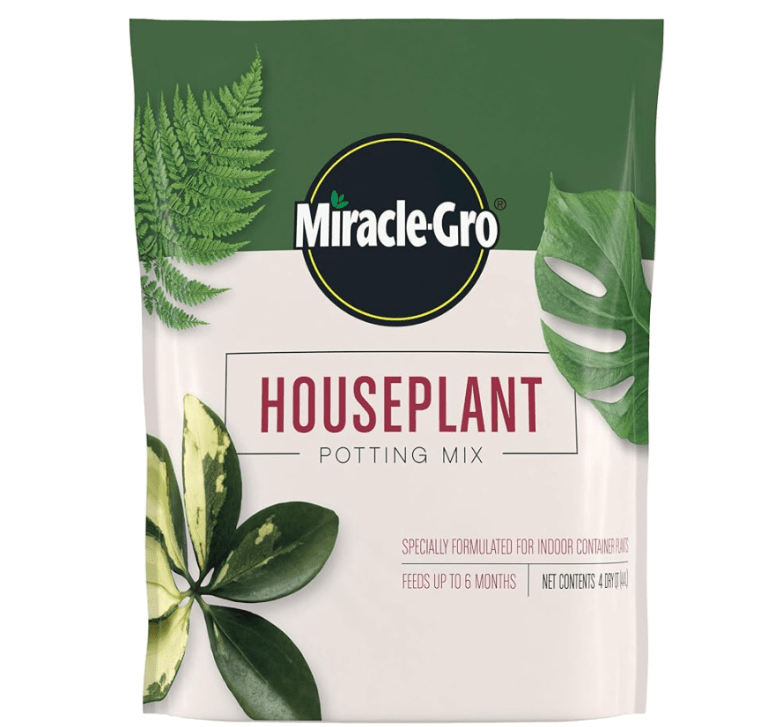
Our experience with Miracle‑Gro Houseplant Potting Mix, for parlor palm
Leaves stood upright within days: After repotting, our palms’ fronds straightened and perked up—no droop or lethargic growth—even in lower light.
Balanced moisture retention: The coir and peat-based mix kept soil evenly damp without staying soggy. We added an extra 20–25% perlite, which boosted airflow and helped soil dry at just the right rate.
Clean and consistent root environment: Thanks to the mix’s low gnats and nutrient-rich base, we didn’t need extra fertilizer for up to six months, and our palms stayed free of pests or mold.
Temperature and Humidity
What Temperature Does Parlor Palm Prefer?
Warm conditions produce its strongest growth.
RHS recommends roughly 68–80°F during the active growing season.
Parlor Palm can tolerate cooler winter conditions better than many tropical palms, but we still protect ours from cold drafts.
How Much Humidity Does Parlor Palm Need?
Parlor Palm does not require high humidity.
Low-to-medium or normal household humidity is usually enough.
Extremely dry heated air can contribute to brown tips and make spider-mite problems more likely, but we would not run a humidifier solely because a healthy Parlor Palm is sitting at 40–50% RH.
Should You Mist a Parlor Palm?
Misting is not necessary for basic care.
We would rather keep the foliage clean with an occasional damp cloth and address genuinely dry room conditions directly if needed.
For actual room measurements, see our humidity chart for 50 popular houseplants.
fertilizer
What Fertilizer Is Best for Parlor Palm?
A complete balanced liquid houseplant fertilizer is enough.
We feed lightly about once a month during active spring-to-autumn growth, following the product’s recommended dilution.
There is no need to alternate routinely between a general fertilizer and a palm-specific formula.
Does Parlor Palm Need Magnesium or Iron?
Those nutrients are essential to plant growth, but we would not supplement magnesium or iron simply because a frond looks pale.
Low light, root damage, excess moisture and normal aging can create similar symptoms.
We first correct the growing conditions and use a complete fertilizer rather than diagnosing a single micronutrient deficiency from leaf color alone.
Can Fertilizer Make Parlor Palm Grow Faster?
Only up to its natural growth rate.
Parlor Palm is inherently slow-growing.
Adequate nutrition prevents nutrient limitation, but heavy fertilizing will not turn it into a fast-growing palm and can damage roots through salt buildup.
Pots and planters
What Kind of Pot Is Best for Parlor Palm?
Use a container with drainage that is only modestly larger than the existing root system.
Plastic, glazed ceramic and terracotta can all work.
Plastic keeps the mix moist longer, while terracotta dries faster.
We choose according to how quickly the potting mix dries in the room.
Does Parlor Palm Need a Deep Pot?
Not specifically.
We choose the container according to the actual root ball rather than assuming every Parlor Palm needs either an unusually shallow or unusually deep pot.
The most important thing is avoiding a dramatically oversized container filled with soil that stays wet for too long.
Why Shouldn’t You Repot Parlor Palm Too Often?
It grows slowly and does not fill containers quickly.
We repot only once roots have substantially filled the container or the potting mix has deteriorated.
An unnecessary move into a larger pot gives the roots more wet soil to manage without providing much benefit.


Read also: Styling low light indoor trees and best pots and planters for low light indoor trees
Watering
How Often Should You Water a Parlor Palm?
We water when the surface of the potting mix has begun to dry, then water thoroughly and let the excess drain.
We do not wait for half the pot to become dry.
We also do not use a fixed weekly schedule.
Warm bright summer conditions can make the pot dry quickly, while the same plant may need water much less frequently during winter.
Does Parlor Palm Like Moist Soil?
Yes, within reason.
It generally grows more lushly with consistent moisture than when repeatedly allowed to become very dry.
The important distinction is between moist soil and waterlogged soil.
The root zone needs oxygen, so the pot should drain freely and never sit in standing water.
What Does an Overwatered Parlor Palm Look Like?
Several yellowing fronds combined with persistently wet potting mix make us investigate excess moisture.
Wilting or declining stems despite wet soil can also point toward damaged roots.
If problems continue, we remove the plant from the pot and inspect the root system rather than simply extending the next watering interval.
What Does an Underwatered Parlor Palm Look Like?
A very dry root ball can lead to drooping fronds and dry brown tips.
Check the soil before reacting to the foliage because brown tips alone can also come from hard water, dry air or previous sun damage.
What Kind of Water Is Best for Parlor Palm?
Rainwater is an excellent choice when available.
RHS cautions that repeated use of hard alkaline tap water can contribute to brown foliage because Parlor Palm prefers mildly acidic conditions.
If your tap water is not particularly hard and the plant remains healthy, there is no need to switch automatically.
pruning
Does Parlor Palm Need Pruning?
Very little.
We remove only fully yellow, brown or dead fronds.
Cut the old frond close to its base without damaging the healthy stem or emerging foliage.
Can You Cut the Top Off a Parlor Palm?
No.
A palm stem grows from a single terminal growing point at its crown.
Unlike a Dracaena or Philodendron, cutting the top off a Parlor Palm will not make that stem branch into several new shoots.
If a stem becomes too tall, topping it is not a safe way to shorten it.
Should You Cut Brown Tips Off?
You can trim completely dead brown tissue for appearance.
We leave a thin brown margin rather than cutting deeply into healthy green tissue.
Trimming the symptom does not fix the cause, so we still investigate watering, hard water and very dry air if the tips repeatedly return.
Does Parlor Palm Need Special Care After Pruning?
No.
Removing an old frond does not require misting or reduced watering.
Return the palm to its normal care and water according to the potting mix.
propagating
What Is the Best Way to Propagate Parlor Palm?
For a mature multi-stemmed houseplant, division during repotting is the most practical method.
Remove the pot and gently separate part of the root ball so each new division keeps one or more healthy palm stems and plenty of roots.
Pot each division into a suitably sized container and keep it warm in indirect light while it establishes.
Are You Really Dividing One Parlor Palm?
Often, no.
A naturally growing Chamaedorea elegans has a solitary stem, but commercial growers commonly place several seedlings together to make one container look fuller.
When we divide a bushy nursery pot, we may actually be separating several individual palms that have been growing together.
That is also why one stem can occasionally decline while the rest of the pot stays healthy.
Can You Propagate Parlor Palm From a Stem Cutting?
No.
A cut palm stem does not behave like a Pothos or Dracaena cutting.
For home growers, use rooted division or seed rather than placing a chopped stem or frond into water and expecting it to form another palm.
Does Parlor Palm Flower Indoors?
Yes.
Established plants can produce small yellow, greenish or orange-red flower clusters indoors when conditions are suitable.
The flowers are not large or showy, but they are normal.
Can an Indoor Parlor Palm Produce Seeds?
Possibly, but it requires the right plants.
Parlor Palm is dioecious, meaning male and female flowers occur on separate plants.
A female plant must receive pollen from a male plant before it can form the small black fruits containing seeds.
That makes fruit and seed production relatively uncommon indoors.
Troubleshooting common issues
Parlor Palm Problem Quick Guide
| Symptom | Likely cause | What to do |
|---|---|---|
| Several yellow fronds | Wet roots, low light, aging stems or other stress | Check soil, roots and which stems are affected. |
| Brown tips | Dry soil, hard water, dry air or previous sun damage | Review watering and water quality before adding humidity. |
| Drooping fronds | Dry soil or damaged wet roots | Check the potting mix before watering again. |
| Very little new growth | Often normal slow growth; also low light or root stress | Judge the whole plant before increasing fertilizer. |
| One stem dying in a bushy pot | Competition between grouped palms or local root damage | Check whether the remaining stems and roots are healthy. |
| Fine stippling or webbing | Spider mites | Isolate and inspect the undersides closely. |
| Sticky leaves | Possible mealybugs or scale | Identify the pest before choosing treatment. |
← Swipe horizontally on mobile to see the full table →
Parlor Palm Problems
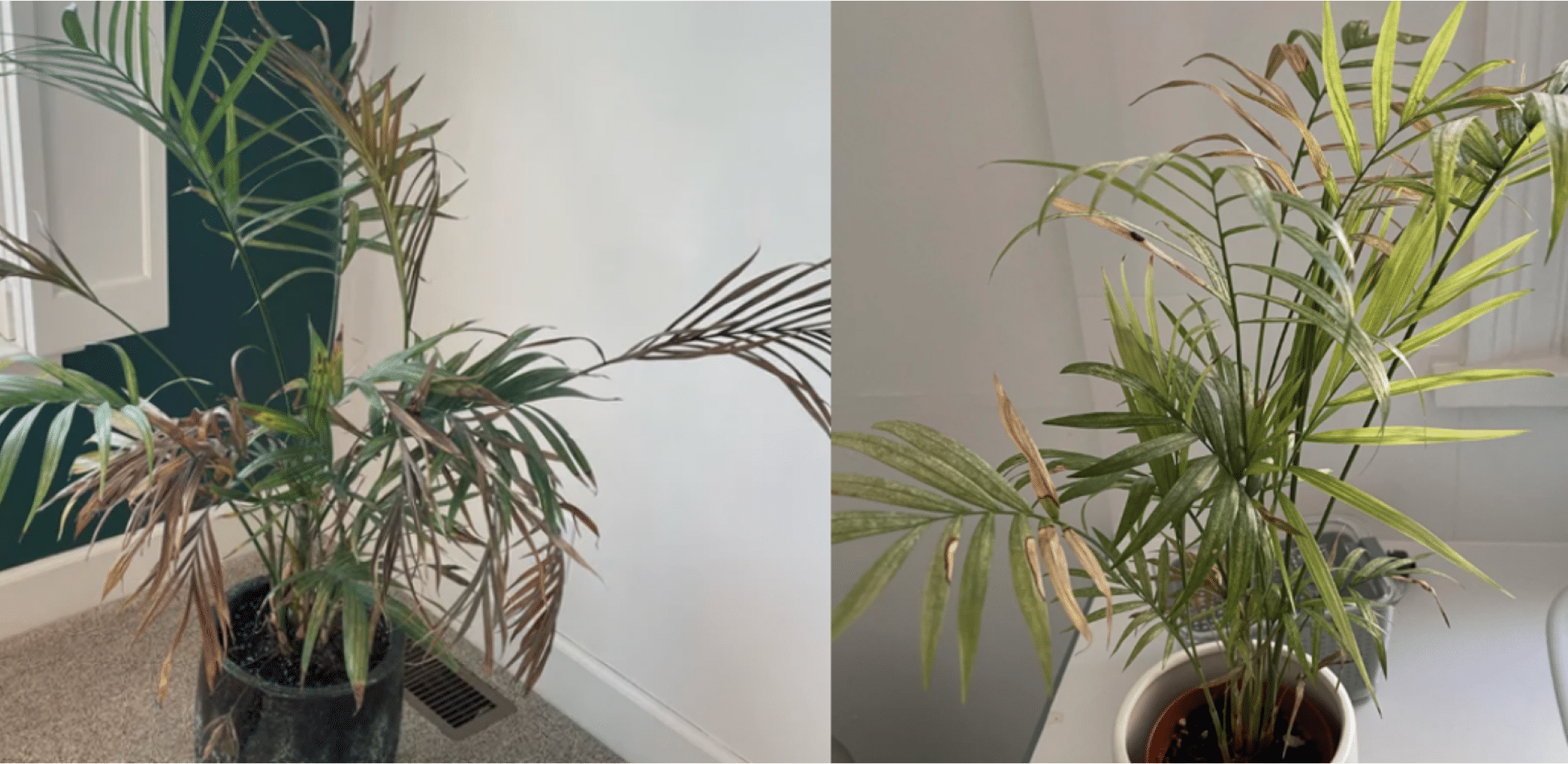
Why Are My Parlor Palm Fronds Turning Yellow?
One old yellowing frond is not automatically a problem.
A bushy Parlor Palm pot may contain several individual palms, so an older or weaker stem can decline while the rest remain healthy.
Several yellow fronds appearing together while the potting mix stays wet make us investigate the roots for excess moisture.
Low light and cold stress can also contribute.
We check the soil and overall plant before assuming yellowing means either overwatering or nutrient deficiency.
Why Does My Parlor Palm Have Brown Tips?
Brown tips have several common causes.
The root ball may have become too dry.
Repeated hard-water use can also cause problems because Parlor Palm prefers mildly acidic conditions.
Very dry air and previous sun scorch are other possibilities.
We check watering and water quality before assuming the plant needs a humidifier.
Why Is My Parlor Palm Drooping?
Check the soil.
If the root ball is dry, the palm may simply need water.
If the soil is already wet, adding more water can make things worse. Damaged or oxygen-starved roots can also leave the fronds drooping.
Why Isn’t My Parlor Palm Growing?
It may be perfectly healthy.
Parlor Palm is one of the slower-growing common houseplants, especially in lower light and during winter.
We only become concerned if slow growth appears alongside pale new foliage, declining roots or ongoing leaf loss.
Before adding fertilizer, we make sure the plant has adequate indirect light and healthy roots.
Why Are My New Parlor Palm Fronds Pale?
New palm growth can initially be lighter than mature foliage.
If several fronds remain abnormally pale, investigate light, root health and overall nutrition.
We would not diagnose iron or magnesium deficiency from pale leaves alone.
A complete fertilizer during active growth supplies a broader range of nutrients without requiring us to guess at one deficiency.
Why Is Only One Stem of My Parlor Palm Dying?
This can happen because the “one plant” in the pot may actually be several individual palms planted together.
NC State notes that some stems in these crowded commercial plantings can eventually be out-competed and die.
If one stem yellows but the others remain vigorous, inspect its base and roots before assuming the entire pot is failing.
If the stem is completely dead, remove it at the soil line without damaging its neighbors.
Why Does My Parlor Palm Have Brown or Black Spots?
Do not automatically diagnose a fungal infection.
Physical injury, previous sun scorch and pest damage can create spots too.
Keep the conditions stable and watch whether lesions actively spread.
If new spots continue appearing, isolate the palm while you determine whether a disease or pest is involved.
Does Parlor Palm Get Spider Mites?
Yes.
Spider mites are a known Parlor Palm pest.
Look for pale stippling, dull foliage and eventually very fine webbing, especially on the undersides of the leaflets.
Warm, dry indoor conditions can favor mite problems.
Why Is My Parlor Palm Sticky?
Inspect for sap-feeding pests.
Mealybugs and scale can produce sticky honeydew.
Look along the fronds, stems and protected areas near the leaf bases before spraying anything.
FAQ
Is Parlor Palm Safe for Cats and Dogs?
Yes.
ASPCA specifically lists Chamaedorea elegans as non-toxic to cats and dogs.
As with any houseplant, eating large amounts of plant material can still cause nonspecific stomach upset, so we do not encourage pets to chew it.
Is Parlor Palm Toxic to Humans?
The foliage is not generally treated as a poisonous houseplant.
However, we would avoid calling the entire plant “universally non-toxic.”
North Carolina State notes that the pulp of the uncommon black fruits can contain irritating crystals and may cause skin irritation in sensitive people.
Indoor plants rarely fruit, but we would still avoid handling or eating the fruit.
Is Parlor Palm a Low-Light Plant?
Yes.
It genuinely tolerates low light better than most palms.
For stronger growth, we still prefer bright indirect light.
So our distinction is:
It can thrive in moderate indirect light and tolerate quite low light.
Is Parlor Palm Easy to Care For?
Yes.
RHS describes it as one of the easiest houseplants to grow.
Its biggest advantages are low-light tolerance, slow growth, modest humidity needs and relatively forgiving indoor care.
The main mistake to avoid is keeping the root zone continually waterlogged.
How Can I Make My Parlor Palm Grow Faster?
Give it the best version of its normal care rather than trying to force it.
Bright indirect light, appropriate moisture, warmth during the growing season and light monthly feeding allow it to reach its natural growth rate.
It will still grow slowly.
We would not repeatedly repot or heavily fertilize simply to accelerate it.
Does Parlor Palm Need High Humidity?
No.
Low-to-medium or moderate household humidity is generally adequate.
Extremely dry air can contribute to brown tips and pests, but this palm does not need rainforest-level humidity indoors.
Does Parlor Palm Flower Indoors?
Yes.
Even relatively young plants can produce clusters of small yellow, greenish or orange-red flowers when conditions are suitable.
Parlor Palm has separate male and female plants, so flowers do not automatically mean it will produce fruit.
Is Parlor Palm Really One Plant?
A naturally growing Parlor Palm has one main stem.
The lush pots sold as houseplants often contain several individual seedlings grouped together.
That is why a mature nursery plant can look like a dense clump despite the species itself being solitary.
Can Parlor Palm Grow in a Windowless Office?
Only if it receives suitable artificial plant lighting.
Low-light tolerance does not mean it can photosynthesize in darkness.
An ordinary room lamp is designed for human visibility, not necessarily to provide enough usable light for plant growth.
Can You Cut the Top Off a Parlor Palm?
No.
Each palm stem grows from its crown.
Cutting the growing tip does not make that stem branch; it destroys its growing point.
Remove only dead fronds rather than topping healthy palm stems.
Can Parlor Palm Live Permanently in Water?
A Parlor Palm can be grown hydroponically if nutrients, oxygen and water chemistry are deliberately managed.
That is different from placing an ordinary soil-grown palm in a jar of water permanently.
For normal household care, we grow ours in a freely draining potting mix.
How Often Should You Repot Parlor Palm?
Not very often.
Parlor Palm is slow-growing and tolerates being somewhat snug in its container.
We repot once the roots have substantially filled the pot rather than following a rigid yearly schedule.
Can Parlor Palm Go Outside in Summer?
Yes, when temperatures are reliably warm.
We place it in shade or bright filtered light and acclimate it gradually.
An indoor-grown Parlor Palm can scorch quickly if moved directly into strong outdoor sun.