Moth Orchid care guide
Discover watering, soil, fertilizing, pests, styling, and troubleshooting tips for Orchids from our experience growing and caring for it in our Brooklyn home!

We are an AD-FREE, community driven site. When you purchase through links, we may earn a commission, which helps sustain our blog!
Orchids care guide
care at a glance
How to care for Orchids?
The moth orchid features broad, leathery green leaves and tall spikes of delicate, butterfly-like blooms in shades of white, pink, or purple. (They are pet safe!)
- Watering: Water every 7–10 days when roots turn silvery; never let roots sit in water.
- Light and temperature: Needs bright, indirect light and steady warmth between 65–85°F.
- Soil and fertilizer: Use chunky, bark-based orchid mix; feed biweekly with orchid fertilizer when blooming.
- One common issue: Wrinkled leaves may indicate underwatering or root rot—check root health and adjust care.
- Toxicity: Non-toxic to pets and humans; safe around cats and dogs (ASPCA).
- Propagation method: Wait for keikis (baby plants) to form on flower spikes before separating and potting.
2. Care mistakes we have learnt to avoid with moth orchid plant
- Watering them like a normal houseplant: Moth orchids suffocate fast in dense soil or frequent watering because their roots need constant airflow. Too much moisture rots the roots before the leaves even wrinkle. We only use chunky bark mix and water when the roots turn silvery, not on a schedule.
- Putting them too close to a hot window for “more blooms”: Everyone says orchids need bright light, but glass magnifies heat and scorches their leaves in minutes. Moth orchids prefer bright cool light, not hot sun. We keep ours a few feet back from an east window where the morning light stays gentle.
- Repotting the moment blooms drop: This plant hates being disturbed right after flowering, and repotting too soon stalls new spikes for months. We learned to wait until fresh roots are actively growing before giving it a new pot. Now repotting actually boosts growth instead of setting it back.
- Keeping winter care the same as summer: In our Brooklyn home, radiators dry the air and warm the room, but the light drops sharply. Orchids drink far less in winter, and watering them like summer leads to root rot fast. We cut watering almost in half from November to March and give them the brightest window we have.
3. A real issue we have had with Moth Orchid in our home
Our moth orchid kept dropping buds right before they opened, which felt heartbreaking after waiting weeks. We assumed it needed more water, but the real cause turned out to be sudden temperature swings from our radiators turning on and off. The plant hated that blast of heat followed by a chill. Moving it to a steadier north-facing room stopped the bud drop almost immediately.
lineage and Symbolism
The Moth Orchid (aka Phalaenopsis spp.), from the Orchidaceae family, is one of the most beginner-friendly orchids! Its elegant, wing-shaped blooms resemble fluttering moths, and that’s exactly how it lights up our Brooklyn kitchen window—graceful, upright, and long-blooming! They flower for months and come in soft pinks, whites, purples, and speckled hybrids (We have pink, and purple ones currently!)
Indoors, they grow 1–3 feet tall and wide and thrive in pots with bark rather than soil. What’s surprising? These orchids don’t grow in dirt at all in the wild—they cling to trees and draw moisture from the air. That’s why nailing the potting and watering style is everything with these beauties.
Moth Orchids symbolize refinement, resilience, and grace. Their patience and elegance align perfectly with Virgo’s detail-loving, nurturing nature.


$66
“I love the elegant blooms of this orchid. It’s very easy to care for and adds a touch of elegance to my home”
What we wish we knew before buying
The blooms are easy—keeping them reblooming is the real challenge: We assumed orchids would flower again if we just watered and waited, but reblooming indoors needs bright, cool light and steady temperatures that apartments don’t naturally offer. Without that, the plant stays healthy but stubbornly bloomless for months. We wish someone had told us that buying an orchid is buying a system, not a single plant—light, temperature, and patience all have to line up for those spikes to return.
Moth Orchid plant care infographic

📋 Use this infographic on your site — copy the code below:
Plant that pairs well with similar care needs
Light and placement and seasons
What is the light requirement for Orchids?
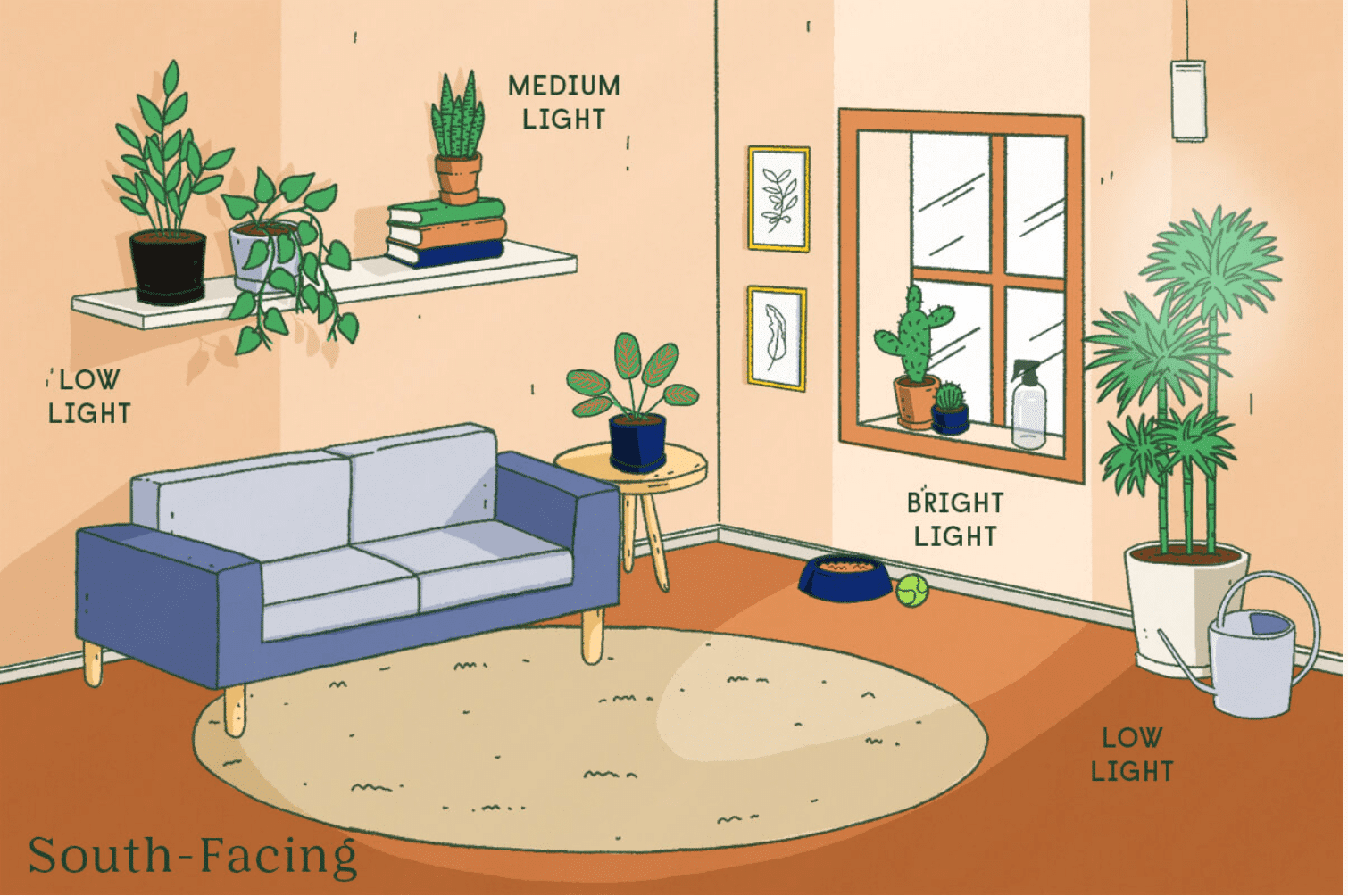
Moth Orchids need bright, indirect light to bloom consistently. We keep ours about 2–3 feet from an south-facing window with sheer curtains. Direct sunlight scorches their leaves, but too little light halts flowering.
According to TheSill: “Phalaenopsis orchids prefer bright, indirect light—direct sun can burn them, and low light will delay blooming.”
How to know if Orchids is not getting right amount of light?
Too little light results in no blooms, dark green floppy leaves, and slow root growth. We had one in a dim bedroom that stayed leaf-heavy for a year without flowering.
Too much light leads to yellowing leaves or dry, leathery spots. Filter sun with a sheer curtain to avoid leaf scorch.
Where to place Orchids and where to avoid?
Place them 2–3 feet from an east or north-facing window or in a bright bathroom with filtered light. We rotate ours weekly near the kitchen sink window to keep light even.
Avoid placing near cold drafts, south-facing windows with harsh sun, or in rooms with no ambient daylight. Sudden chills or intense light can disrupt blooming.
Read also: How much light do most flowering houseplants need
How moth orchid plant behaves through the seasons?
Spring: New roots and leaves pick up again once the light strengthens. We water a bit more often because the bark dries faster and resume light fertilizing every 2–3 weeks. We keep the orchid near our east window for bright, cool light. The only issue is sudden leaf wrinkling if we underwater during growth spurts, so we watch the roots closely.
Summer: Growth is steady, but orchids dry out quickly in the heat. We water deeply when roots turn silvery and fertilize lightly every 2–3 weeks. Strong sun through south or west windows is too intense, so we keep them back a few feet or use sheer curtains. Heat sometimes stalls spike formation, so we focus on keeping airflow gentle and constant.
Fall: This is our best reblooming window because nights naturally cool down in Brooklyn. We reduce watering slightly and stop heavy fertilizing so the plant shifts from leaf growth to spike production. We move it closer to an east or north window for strong but cool light. Bud blast can happen if drafts hit it, so we keep it away from open windows.
Winter: Growth slows, and the plant becomes picky about moisture. We water less—sometimes every 10–14 days—because radiators dry the air but the bark still holds water longer without summer heat. We give it our brightest window to compensate for short days. If blooms are forming, we avoid moving the pot because any temperature swing can cause buds to drop.
Soil
What soil composition to use for Orchids?
Moth Orchids don’t use soil—they need orchid bark or chunky epiphyte mix. We have in the past used 60% fir bark, 20% perlite, 10% charcoal, and 10% coconut husk chips to allow air flow and fast drainage. Or you could skip this if it feels complicated, and use an orchid mix we have recommended below 🙂
Skip all standard potting mixes—compact roots rot fast without airflow.
Best soil to use for Orchids?

We’ve potted our moth orchids using Phalaenopsis Monterey Dark Imperial Orchid Mix from rePotme—and here’s what truly stood out:
Exceptional drainage and aeration: The chunky pine bark mix gave us fast-drying roots and ample airflow—crucial for epiphytic orchids. Our orchids looked perkier almost immediately.
New growth surge: Within weeks, roots thickened and new shoots appeared. Some of our plants even rebloomed post-repotting—a real sign they were settled and happy.
High quality, worth the price: Though a bit more expensive than bargain mixes, the freshness and effectiveness made it feel like a worthwhile investment—no dust, no soggy mess, just clean bark.
Temperature and Humidity
What is the best temperature condition for Orchids?
Ideal temps are 65–80°F. Nighttime drops between 60–65°F actually help trigger blooms.
We avoid placing them near exterior doors or heaters, since sudden temperature shifts can drop buds.
What is the best humidity condition for Orchids?
Moth Orchids prefer 50–70% humidity.
In our dry Brooklyn winters, we use a humidifier or place it on a pebble tray. Crinkled leaves or stalled growth often mean the air’s too dry.
Bathrooms with filtered light are perfect mini-greenhouses for these orchids.
Read also: Why are my flowering houseplants losing buds


fertilizer
What is the best fertilizer composition to use for Orchids?
Use a balanced 20-20-20 orchid fertilizer diluted to 1/4 strength during active growth or a bloom booster during flower spike development. We prefer alternating between the two in spring and summer.
DIY option: Mix 1 tbsp brewed banana peel tea + 1 tsp molasses in 1 liter of water. Feed during flowering cycle to support blooms.
How and when to fertilize Orchids?
Fertilize every 2–3 weeks during spring and summer when not in bloom.
Once spikes form, switch to a bloom formula and continue monthly. Water first, then feed directly into the bark mix. Avoid feeding in winter or during stress.
What are the signs Orchids needs food?
Lack of flowers, pale or floppy leaves, and slow root growth signal nutrient deficiency.
After feeding, we often see a new spike within 4–6 weeks if light and moisture are consistent.
Best fertilizer to use for Orchids?

We’ve incorporated Miracle‑Gro Orchid Booster (water‑soluble or mist form) into our orchid care routine, and it’s delivered consistently strong results:
- Revived blooms and roots: Within a few weeks, our orchids showed new flower spikes and plump, vigorous roots—exactly what we want to see in healthy Phalaenopsis.
- Effortless application: Spraying the mist on leaves and roots once a week proved reliable—easy to remember and low-fuss.
- Long-lasting value: A single bottle lasted over a season, and even after a year or two, our orchids continued to thrive and rebloom.
Pots and planters
What are the best pots to use for Orchids?
We use clear plastic orchid pots with side slits inside decorative cachepots.
Clear pots let you monitor root health and water levels. Avoid deep or non-draining containers—orchid roots must breathe.

Read also: How to style flowering houseplants
Watering
How and When to water Orchids?
Water when roots turn silver-white and bark is dry—about once every 7–10 days.
We water in the sink, soaking bark until water runs through, then drain fully. Never let them sit in water or the roots will suffocate!
what are the Signs of over or under watering Orchids?
Overwatering: Mushy, black roots, yellow leaves, and root rot.
Underwatering: Shriveled, gray roots and puckered leaves.
We lift the pot weekly—if it’s light and roots are pale, it’s time to water. If green and heavy, hold off.


pruning
When to prune Orchids and why?
Pruning keeps orchids healthy and encourages reblooming after flowers fade.
When to prune:
After blooms fall
If flower spike yellows or dries
To remove dead roots during repotting
how to prune Orchids?
se sterile scissors
Cut above the node if the spike is green
Remove yellowed leaves and dry roots at the base
Always prune after bloom cycle, not during
how to care after pruning Orchids?
Reduce watering slightly
Keep in bright light to encourage new spike growth
Watch for green nub at node to signal reblooming
Read also: How to prune flowering houseplants
propagating
When to Propagate Orchids?
Best method is keiki propagation—a baby orchid growing from a node on a flower spike.
When to propagate:
Late spring or summer
When keiki has 2–3 inch roots and 2–3 leaves
how to Propagate Orchids?
se sterile shears to cut below the keiki
Pot into orchid bark in a small container
Water sparingly and place in bright, humid light
how to care after propagating Orchids?
- Mist gently every few days
- Avoid fertilizer for 4–6 weeks
- New roots should anchor within 2 months
Troubleshooting common issues

Why are my Moth Orchid’s leaves turning yellow?
Overwatering or aging lower leaves are common causes.
Check roots and potting mix, and remove only fully yellow leaves.
Why is my orchid not blooming?
Insufficient light or nutrients may prevent blooming.
Increase light and feed with a bloom-boosting fertilizer monthly.
Why are the buds falling off before blooming?
Bud blast is caused by sudden temperature shifts or drafts.
Keep conditions consistent and avoid moving the plant during bloom season.
Why are the leaves wrinkled or leathery?
Underwatering or root loss is likely.
Check root health and resume a regular watering schedule.
Why are the roots turning brown or black?
Rot from overwatering or poor air circulation.
Trim damaged roots and repot in fresh bark.
Why are flowers wilting so fast?
Old age, low humidity, or sudden environmental change.
Most flowers last 6–8 weeks—keep conditions stable for longevity.
Why is the flower spike turning yellow?
This means it’s spent.
Cut it back once fully yellow to allow new spikes to form.
FAQ
Is the Moth Orchid toxic to pets?
No, moth orchids are non-toxic to cats and dogs and safe for pet households.
What are the benefits of the Moth Orchid?
They provide months-long blooms, purify air, and are one of the easiest orchids to grow indoors.
How long do Moth Orchids bloom?
Each bloom spike lasts 6–8 weeks, and mature orchids may flower 2–3 times per year.
Do Moth Orchids rebloom?
Yes, with proper care and rest. After pruning, a spike can regrow from a healthy node.
Can Moth Orchids grow in regular soil?
No. They need orchid bark or a chunky epiphyte mix—regular soil suffocates roots.
How do I trigger a bloom again?
Expose it to nighttime temps around 60°F for 2–3 weeks and keep it in bright light.
How often should I repot a Moth Orchid?
Every 1–2 years, ideally after blooming. Use fresh bark mix to prevent rot.
Can I mist a Moth Orchid?
Yes, lightly. Focus on roots, not leaves or flowers, to prevent disease.
Can Moth Orchids grow without sunlight?
They need bright, indirect light. No sunlight means no blooms.
Should I cut the flower spike or leave it?
If still green, you can cut above a node. If yellow, remove completely.
What pests affect Moth Orchids?
Mealybugs, scale, and spider mites. Treat early with neem oil or insecticidal soap.
Why is my orchid growing a new leaf but no flowers?
It’s building energy. With enough light and time, blooms will follow.
Can I grow Moth Orchids in water?
Semi-hydro setups work with clay pebbles, but require strict moisture control.
Do Moth Orchids go dormant?
Yes, after blooming they rest for several weeks before producing new growth.
Why is my orchid top-heavy?
Use a stake to support the spike and repot if roots are overgrown or unbalanced.
tips from tursted blogs online
- “I recommend using a clear pot (with drainage holes obv) because phalaenopsis roots turn silvery when in need of water, so by using a clear pot you will be able to see if the roots in the substrate have turned silver and if you need to water or not.” Source: Reddit
- “I started out, I put my phals on a shaded windowsill in the bathroom. They loved the humidity and the ambient temperature spikes from the shower.” Source: Orchid Muse
- “I’ve found that this is not exactly attractive. Imagine a long flower stalk bereft of flowers – until waaaaaay out there on the end you see a flower. This lonely flower is a far cry from the cloud of blossoms that originally graced the orchid.” Source: Orchid Bliss
- “I use a lot of perlite but the most effective substrate I discovered is tree fern fiber. It’s like crack for my hoya. I decided to try it because lot of mine were just zombies or dying.” Source: Reddit
- “I had a peace lily that was constantly drooping. I realized I was using cold tap water, which shocked the roots. Switching to room-temperature water made a noticeable difference.” Source: Reddit